


The Boat Guy: Making Your Head a More Pleasant Experience – Part 1

July 9, 2026
by Marc Robic
I can not think of a more unpleasant or less popular subject and task than that of our onboard toilets. Let’s be honest, boaters often neglect regular service intervals as well as explain to first timers how to use it properly. Then, after they have used it, they inevitably ask themselves “has my guest used it properly?”, “did he/she pump it enough times?” and, of course, “how much paper have they jammed in there?”.
For some, perhaps many, it is such a concern, they even avoid using their “facility” altogether in order to avoid having to deal with pump outs, breakdowns and, topping the list, the smell. Some, simply to avoid the embarrassment of a less then pleasant smelly experience for their guests. However, even an unused head can also become a problem as seals can seize resulting in rubber component tears or breakdowns.
It does not have to be that way. By taking a few steps and tackling a few maintenance chores, perhaps making a few upgrades, you can make the head a much more pleasant experience plus avoid the all-too-common awful smell emanating from the inside welcoming you as you open the companion way doors after being absent for a few days.
Hose grade and quality matters
Start with the most basic and frequent cause of odors, the plumbing. Namely the sanitation hose going from the toilet output to the holding tank. If your hose has never been replaced (to your knowledge), this is definitely the first-place step. To test your hose, use a slightly humid rag and wipe it back and forth on the sanitation hose for about 20/30 seconds than, smell it. If it smells bad, it has been saturated after years of use and must be replaced. If not replaced, nothing you do will stop the smell.
This is where I do see many boaters skimp on less expensive hose and usually live to regret it. Unless you enjoy the task of replacing your hose, don’t skimp. Buy a proper sanitation grade hose such as those made by Trident or Saniflex.
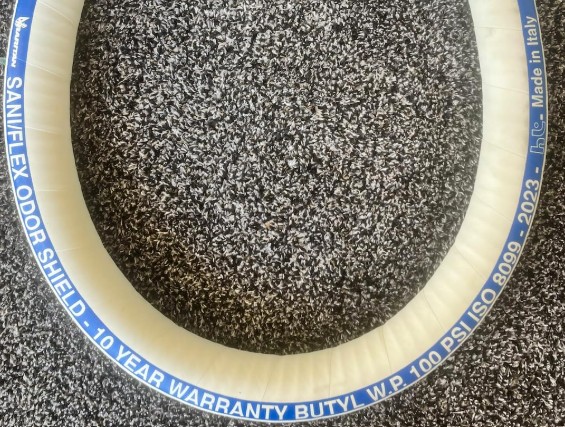
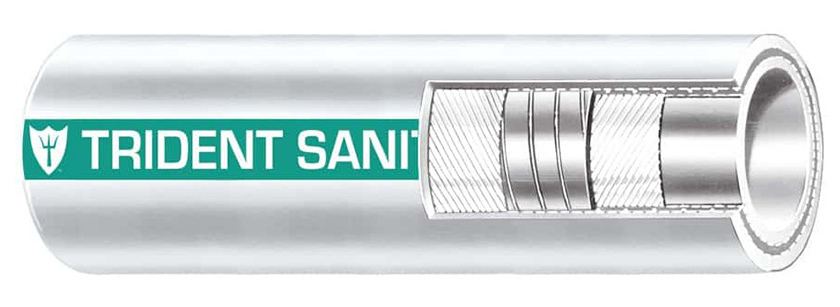
Make sure you invest in the proper grade as both these manufactures also offer less expensive quality. I can assure you, when it comes to sanitation hose, quality matters. From longer life span and odor prevention and durability, it is well worth paying more. Besides, it is sold by the foot and you will rarely need more than 5 or 6 feet. So, do make the investment in the better quality as well as NEW and proper stainless steel hose clamps (2 at each connection).
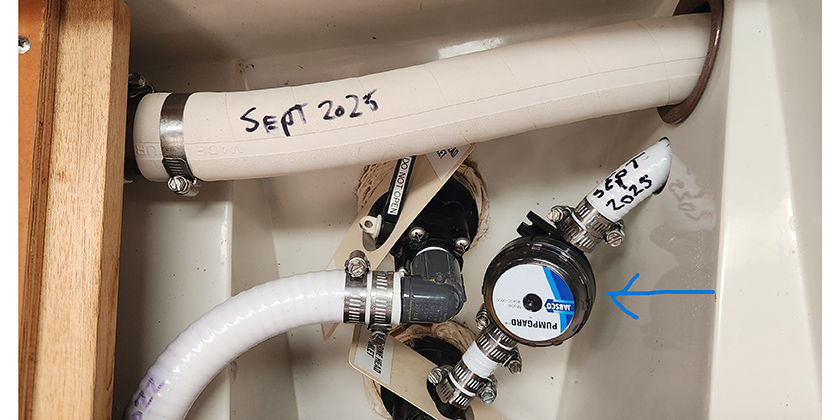
Once installed, I use a Sharpie to write, on the hose, the installation date as well as add it to my maintenance log book.
Breathing is important
Next is to check your vent. I’ve actually seen the insides of a holding tank spray outwards like champagne bottle when the pump out cap was being removed. A blocked vent and weeks of hot summer heat created a large pressure build up inside the holding tank. Believe me, that boat owners did not make many friends on his dock.
Use a toothbrush to regularly brush the stainless-steel mesh most vents have to keep it clean and clear from any dirt, bugs and webs. One way to check this is while pumping out the holding tank. Most boats have the holding tank vent within reach of the pump out fitting. Once your holding tank is empty, keep pumping while you use your fingers to block the vent hole(s). You should not only feel a vacuum pressure but definitely hear a sound of air being sucked in. If not, your vent may be blocked or restricted. The good news is that using this technic at every pump out will help keep your vent clear and your holding tank properly vented.
If unblocking your vent hose required getting access to it, I would also use this opportunity to replace it with proper sanitation hose that also has odor guard properties. Hereto, Trident and Saniflex should have the size and quality you need.
Head servicing can solve many issues
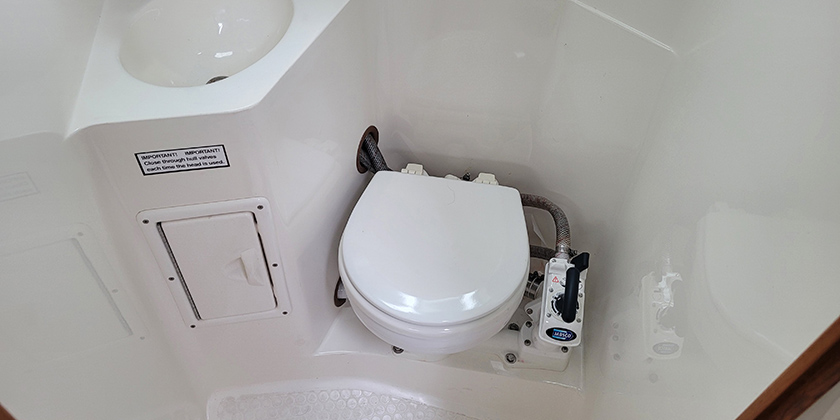
Much like our home toilets, marine heads have many moving parts. Unlike our home toilets however, marine heads are out through much more stressful situation, such as unused for extended periods of times during winter storage for example. They are subject to temperature variations from hot summer days to freezing cold weather months.
The good news here is that most marine head manufacturers, such as Jabsco and Raritan offer relatively inexpensive servicing kits that include all the components you need in order to keep your head in top shape. I always keep a kit on hand. When I use it, I immediately order a new kit.
Next time – Part 2 upgrading to the power option Marc’s top tips.

Marc Robic – The Boat Guy – Marc is a member of BoatCan who, with his wife, sails their Catalina 270, Aquaholic 3, out of the Ile-Perrot Yacht Club in Montreal, where Marc spent 16 years as Harbour Master. They are also regular Caribbean bareboat yacht charterers.
With over 40-years experience on boats, Marc is our OnBoard do-it-yourselfer.