


As You Put the Boat Away Make a List for Spring
Adobe Stock Image
October 22, 2026
Before this season fades into memory, take a few minutes to write down what needs attention aboard your boat. What worked well? What frustrated you? Was there a recurring problem you worked around, or an improvement you kept saying you would make?
Separate repairs and maintenance from the wish list, then discuss priorities and scheduling with your yard. Sail handling, electronics, storage and cockpit comfort are all worth reviewing while the details are fresh. Think about how you actually used the boat this summer, too: the most useful upgrade may be something that makes your regular outings easier. Keep that list alongside your winterization checklist so both immediate needs and next season’s projects get attention.
Here’s a sample checklist for preparing long in advance for next season:
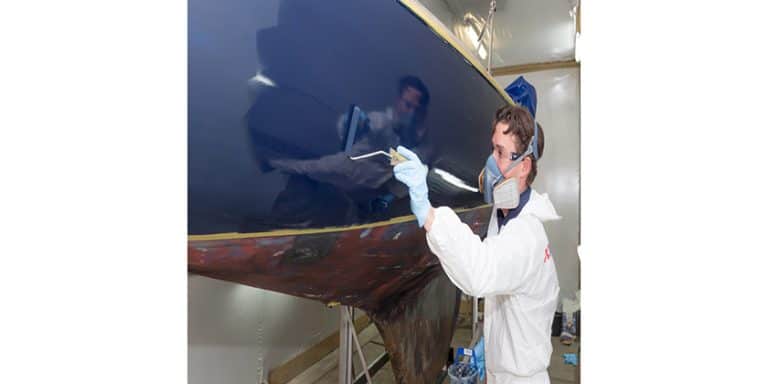
- Check the condition of antifouling (bottom) paint
- Inspect all hose clamps for rust and replace as necessary. Double clamp fuel lines and exhaust hoses with marine-rated stainless-steel hose clamps. While not technically required, it’s wise to double clamp whenever possible on all hoses—especially those below the waterline.
- Inspect all hoses for stiffness, rot, leaks and cracking, and replace any that are faulty. Make sure they fit snugly.
- Inspect prop(s) for dings, pitting and distortion. Make sure cotter pins are secure.
- Grip the prop (on inboard drive systems) and try moving the shaft up and down and side to side. If it’s loose and can be wiggled, the shaft bearing may need to be replaced.
- Check the rudderstock to ensure it hasn’t been bent. Operate the wheel or tiller to ensure the steering works correctly. Check the rudder bearing and steering cable for unusual play or movement.
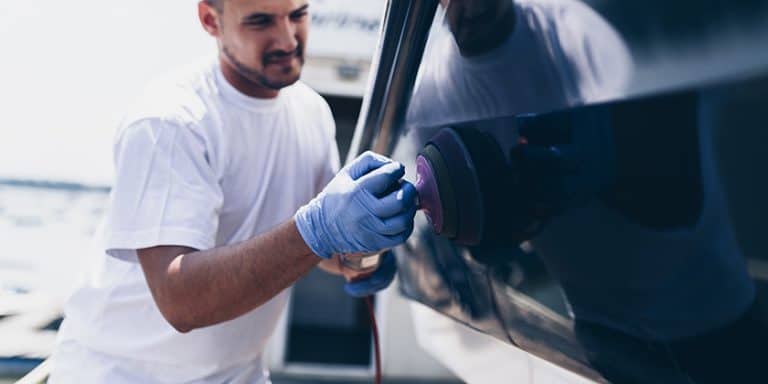
- Inspect the hull for blisters, distortions and stress cracks.
- Make sure your engine intake sea strainer (if equipped) is not cracked or bent from ice and is free of corrosion, clean and properly secured.
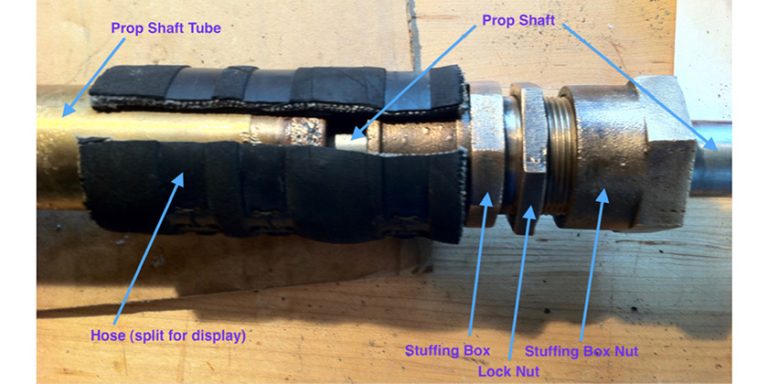
- With inboards, check the engine shaft and rudder stuffing boxes for correct adjustment. A stuffing box should leak no more than two or three drops each minute when the prop shaft is turning. Check the shaft log hose for deterioration and rusty hose clamps.
- Inspect, lubricate and exercise thru-hull valves. It’s a good idea to tie a right-sized wooden bung to each valve in case of failure.
- Use a garden hose to check for deck leaks at ports and hatches. Renew caulk or gaskets as necessary.
- Inspect and test the bilge pump and float switch to ensure they’re working properly. Also inspect the pump hose.
- Check stove and remote LPG tanks for loose fittings, leaking hoses and improperly functioning shutoff systems. Use the pressure gauge to conduct a leak down test to check for system leaks.
- Inspect dock and anchor lines for chafe and wear.