


Trim Tab Technologies: From Traditional to Tomorrow
From fixed flaps to smart systems: how vessel stabilization is transforming boating
By Peter A. Robson
Today, almost every planing and semi-displacement vessel is equipped with some form of transom mounted trim tabs. They assist vessels to get onto plane sooner, give a more level ride, and allow vessels to be trimmed for roll to correct weight differences and side swells. What they really do is make boating safer, more comfortable and more fun.
There are currently three types of trim tabs. Traditional tabs are characterized by flat plates, or flaps, with cylindrical actuators to deploy and retract them. Interceptor tabs use flat blades that move vertically. The third and latest system is Seakeeper’s innovative and lightning fast “Ride” system, which the company doesn’t refer to as trim tabs—instead they call it their Vessel Attitude Control System, and it is perhaps unique enough to warrant its own separate category.
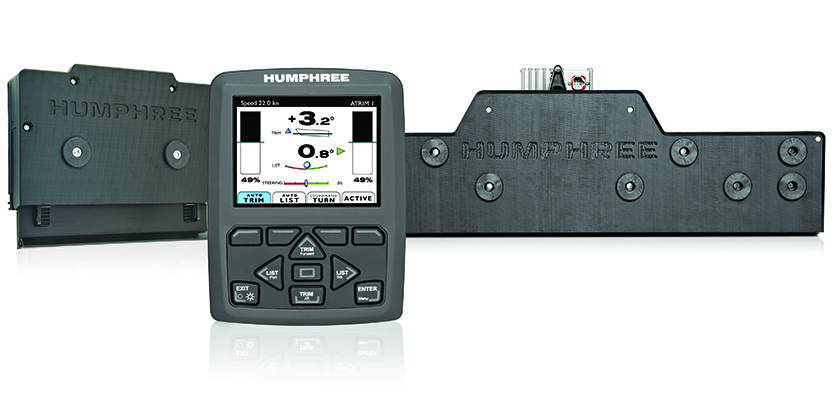
While traditionally manually controlled, most tabs are now offered with automatic trim systems that control pitch, roll and turning. These use sensors, GPS and other inputs tied to software algorithms to control and adjust trim tabs based on boat speed, weight distribution and sea conditions.
From a design aspect, manufacturers are focusing on creating trim tabs that provide a better ride with little or no operator input. They are also using more advanced composites and alloys to reduce weight while maintaining strength and durability.
CLICK HERE to read the rest of this article FREE in the digital version of Canadian Boating May 2026