


3 Things to Consider For Cruising Sails
April 2, 2026
Optimize Your Cruising Sails
What to Consider When it Comes to Your Cruising Sails
For many cruising sailors, sails fall into the “out of sight, out of mind” category. They’re still standing, so they must still work, right? Not always. Even the best sails lose shape, structure, and ease of handling over time.
At the same time, many cruising boats carry more sails than they actually need. Extra headsails, worn out downwind kites or shrunken mains—they look impressive in the locker, but when was the last time you really used them? More sails often mean more work, more maintenance, and less fun on the water.
When It’s Time to Replace
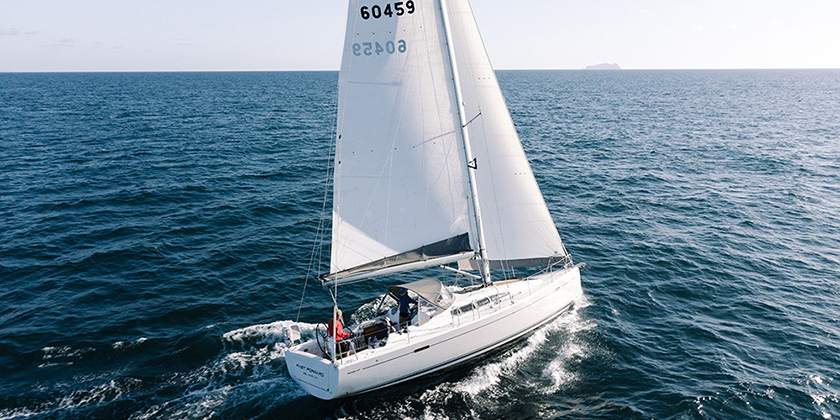
The first clue is shape. A sail that was once sleek and aerodynamic can start bulging in the wrong places. Panels stretch, corners round, and suddenly your boat heels more and trims poorly.
Handling issues are another warning sign. If a sail doesn’t furl smoothly, or is harder to adjust from the cockpit, the material may have softened or deformed. For short-handed cruising crews, a tired sail can turn simple maneuvers into a workout.
Lastly, don’t forget visible wear. UV damage, frayed stitching, small tears—they all add up. Sure, repairs are possible, but constant patching quickly becomes a hassle and doesn’t address the underlying problem. There’s only so much patching you can do.
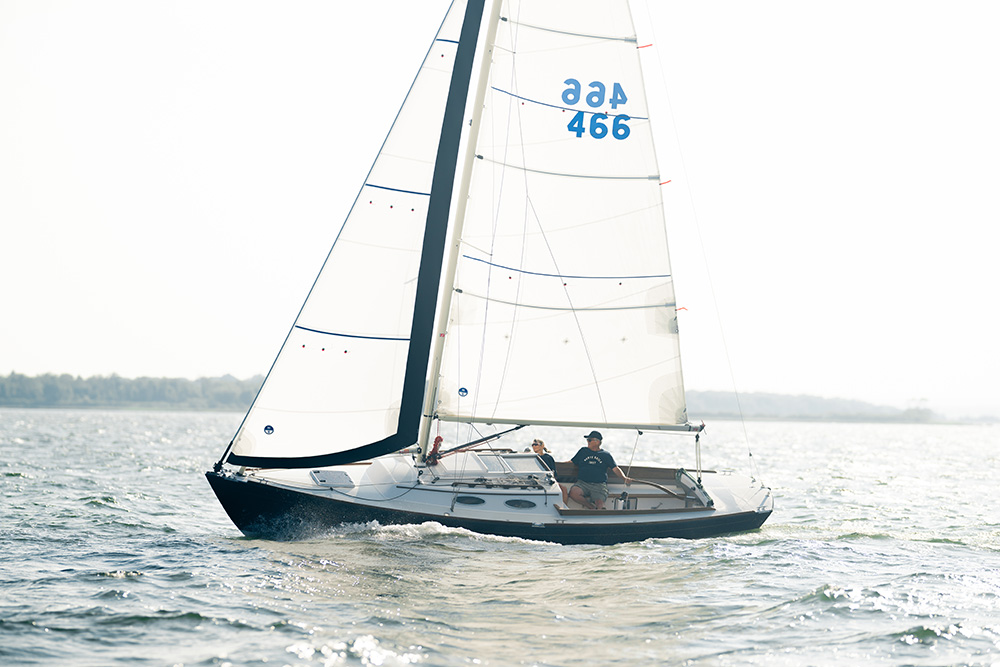
Simplify Your Sail Plan
Before adding a sail to your inventory, ask yourself: what are you looking to do with the boat? Where do you want to go? What is the purpose of each sail? These answers will help guide not only yourself, but also our experts in putting together the right inventory for your boat. A main, versatile headsail, and one manageable downwind sail are often all you need. Fewer sails mean less clutter, less work, and safer, easier sailing.
North Sails experts can help you optimize your cruising inventory – tailored to your cruising needs. Using a similar approach to racing sail setups, we balance performance, ease of use, and on-water enjoyment. The right combination of sails makes your boat easier to handle, safer, and more fun on every trip.
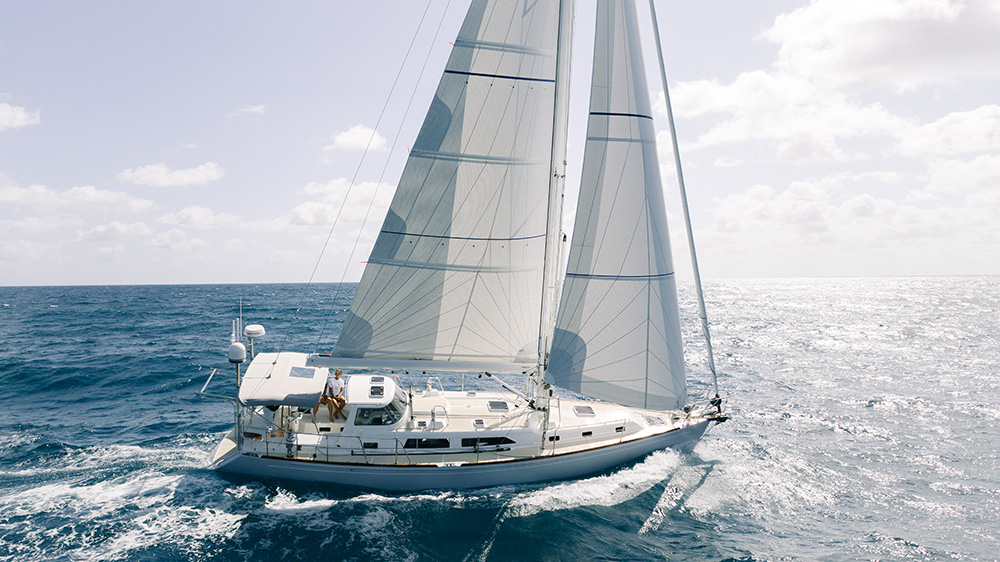
Comfort Over Complexity
Replacing sails isn’t just about speed—it’s about comfort and confidence. Well-maintained sails move efficiently, balance your boat, and trim smoothly. Paired with a simplified inventory, you can focus on enjoying your time on the water, not wrestling with gear.
Fewer worn-out sails, fewer redundant options, more time on the water—that’s the North Sails approach. Stress-free sailing is just a sail plan away.
Put your sailing on cruise control, connect with a North Sails expert today:
North Sails Toronto | North Sails Vancouver | North Sails Victoria | North Sails Lunenburg