

Marine Diesel Engine Theory and Maintenance Course
Dec 21, 2017
PORT CREDIT Location
This one-day course consists of both theory and practical demonstration sessions, is designed to provide you with a basic understanding of how your Marine Diesel engine operates and how it should be maintained.
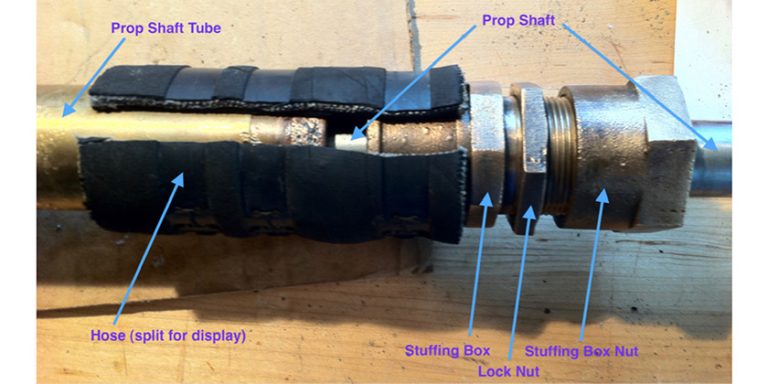
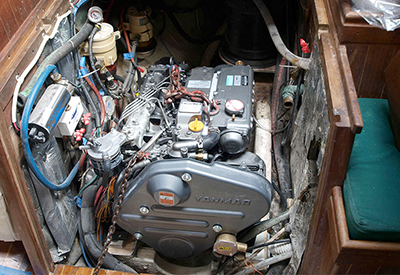
The course is conducted in the shop with new, used and broken parts to handle and examine during the theory portion of the presentation. You will become familiar with most everything that is inside and attached to a marine diesel engine. All associated systems such as – fuel, intake, exhaust, cooling, transmissions, propeller shafts, engine mounts and alignments etc. will be covered.
Due to the practical demonstration aspects of this course the class size is limited to 12 persons! Participants are encouraged to bring along their own engine information/manuals etc. so I may answer any specific questions regarding your diesel engine.
During the afternoon practical demonstrations WE will: jump start a diesel, operate engines on test stands, bleed fuel injection systems, change water pump impellers, winterize engines etc. Anyone wishing to participate may – so dress appropriately as you will encounter diesel fuel and engine oil. Hand cleaner and shop towels are supplied.
The shop is heated but not room temperature hot. The shop door will be open for a while when we run the engines in the afternoon. Dress warmly including footwear.
I cannot make you into a Diesel Mechanic in a day but you will leave with a very comfortable understanding of what you can, should and should NOT do with your marine diesel engine.
Class starts at 9 am sharp as we have a lot to cover! We will continue until approx. 4:30 pm or until everyone has had their fill of fun! Please arrive a little early to register and pick up your textbook.
Complementary coffee, tea and muffins available.
Course fee is $250. including HST and your own copy of Marine Diesel Basics by Dennison Berwick.
($230. if only one text required per couple.)
The one day course available on – Feb. 3,4,10,11, March 3,4,10,11 – 2018. I do have one other course date – Sat. Jan. 27th – at my shop in West Lorne for people in Southwestern Ontario that my not be able to make it to Port Credit.
To register contact Craig Morley @ aquafacts@gmail.com or Office 519-768-3438 – Cell 519-933-3205
– Craig Morley