


Keven Talks Sails: Sail Care for the Sailor
June 14, 2023
At the sail loft, we are always busy repairing and maintaining sails. Much of the damage we are fixing can be prevented with some simple sail handling tips.
Reduce Flogging
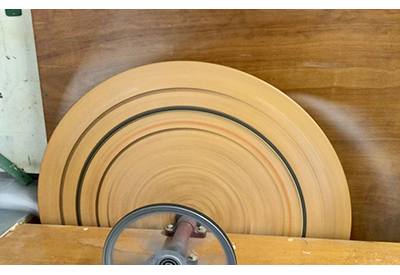
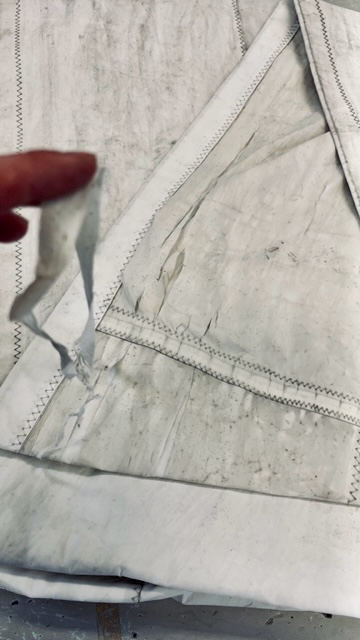
Flogging and flapping of sails degrades the structure and integrity of sail cloth. Our in-house cloth testing regime involves impact fluttering sailcloth that simulates aggressive tacks and flapping. In a ten minutes impact flutter session, up to half of the strength can be beaten out the sailcloth.
Fig 1 – Impact Flutter Tester
 Reduce Sunlight Exposure
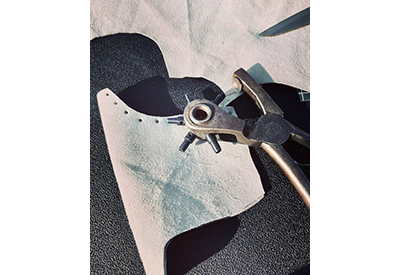
UV rays are the worst enemy of sails. With furling headsails, make sure the protective cover is on the outside of the roll! (Don’t laugh, every marina has some with the cover on the inside) With mainsails, keep the sail cover on as much as possible to protect from the exposure.
Fig 2 – UV damage
 Eliminate Chafe
Check your rig by wiping it down with terry cloth rag. If it snags on anything, fix it. Sometimes it is a Phillips screw head with a burr from a slipping screwdriver, often a split pin, or a light fixture.
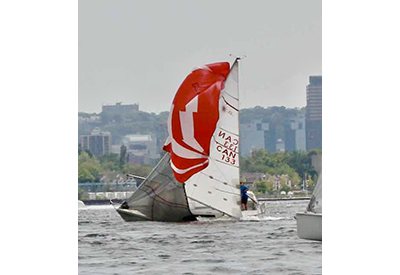
A file, a dab of silicone and some rigging tape will usually fix it. Try making leather spreader boots that slide nicely along sail cloth. Plastic tape or pvc boots can melt to the sail on quick tacks.
Fig 3 – Leather spreader boots
 Change Sails and Reef
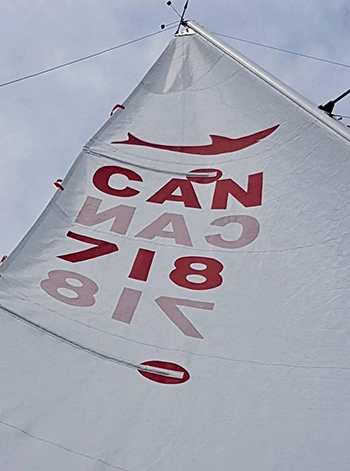
When you are overpowered with too much sail, you stretch and flutter your sails which leads to a shorter sail life. This is slow as well as hard on the equipment. Put up a smaller jib when it is windy and reef the main to keep the boat well balanced. Sailing sideways isn’t as fast as it feels!
Fig 4 – Wipeout
Leech Lines
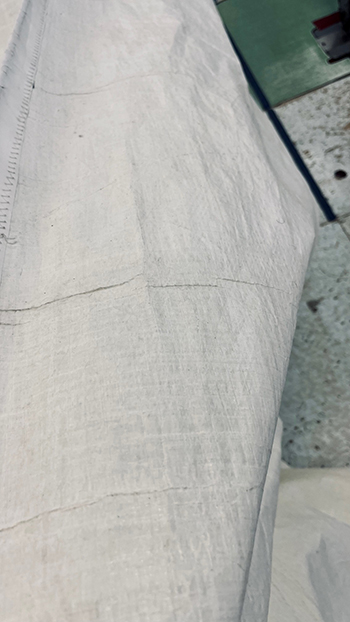
Tension the leech lines just enough to stop any fluttering of the sail leeches. Make sure you let them off when you are done sailing and douse the sails for storage. Leaving them tight leaves small ridges that lead to sail bruising and horizontal wear lines.
Left: Fig 5 – Tight Leech Lines
Right: Fig 6 – Wear Lines
 Halyard and Outhaul Tension
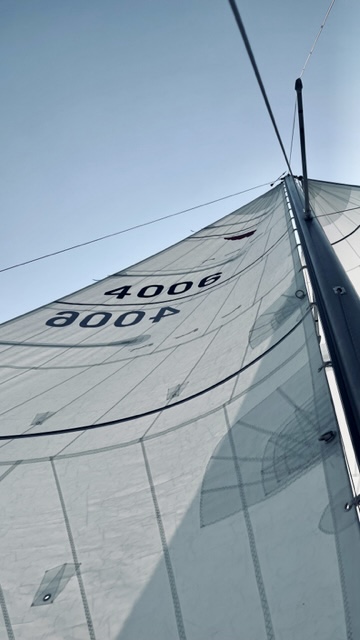
Having halyard tensioned correctly takes a load off of the mainsail slides and reduces wear on stitching and boltropes. A correctly tensioned headsail will have better shape and furl smoother with less wear on stitching. Ease them off after use to preserve the sail shape.
Fig 7 – Properly tensioned halyard
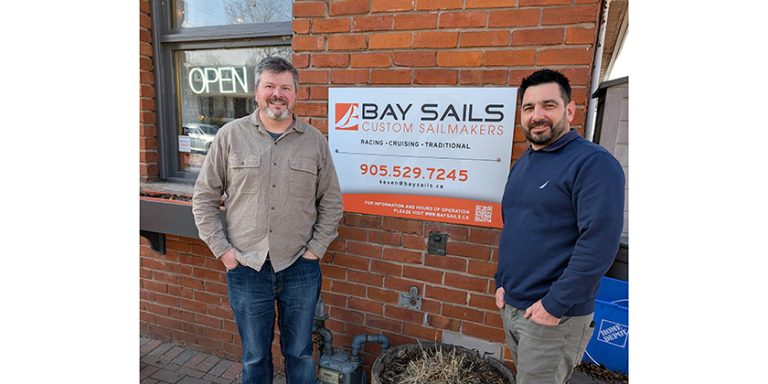
 Keven Piper, two-time Shark 24 World Champion, founded Hamilton, ON-based Bay Sails in 1998. Email: baysails@gmail.com