


Keven Talks Sails: Battens – How to Keep Them in Your Sails
July 19, 2023
At the beginning of every season, I get large numbers of sailors calling and dropping by the loft to get replacement battens. Most of these batten losses are preventable if the sail is getting serviced regularly and the battens are installed correctly.
Tip #1
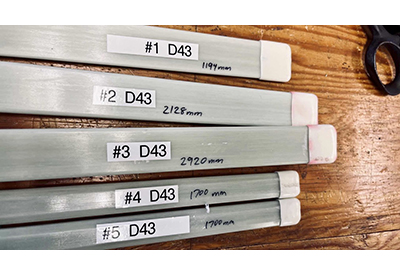
Record the exact length and type of batten in the section of your logbook where you record the part numbers for impellers and oil filters and such. This will save many questions from the sailmaker when you drop by and assume the sailmaker knows exactly how long a 3rd batten is for a C&C 37 mainsail. (BTW – Sail battens are numbered from the top as number 1 and increasing as you go down the sail)
Figure 1 – Batten lengths and types – This photo is likely all your sailmaker needs
 Tip #2
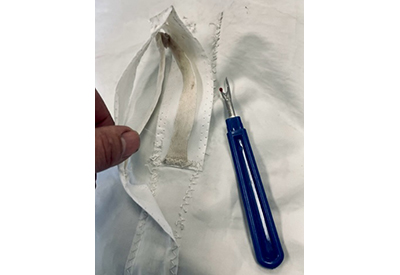
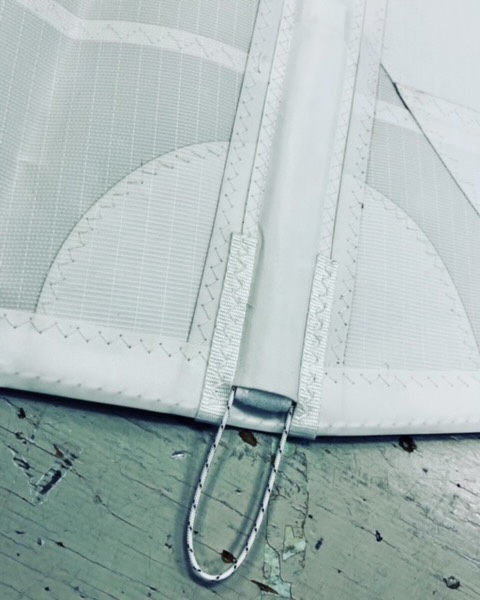
Figure out the type of closure. Old style or bargain priced sails will often have batten pockets with sewn in battens or with elastic inside them to hold in the batten with tension. Unfortunately, these elastics lose their spring and then promptly lose the batten! These elastics generally only last a few years in normal use and need regular replacement.
Figure 2 – Elastic Batten Pockets
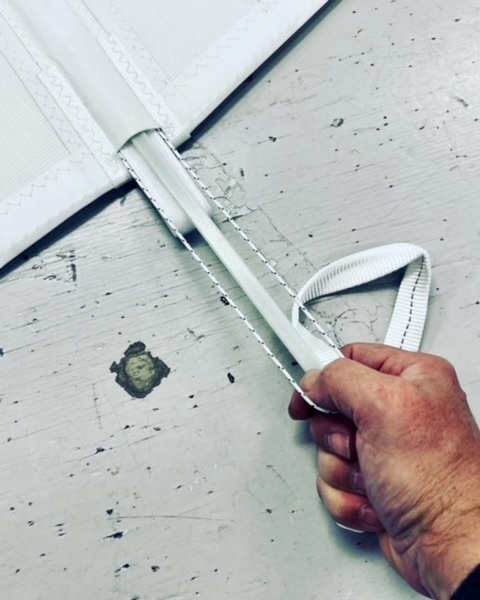
The most common is some type of Velcro insert closure, which is generally robust and secure and can be combined with a nice luff receptacle for use with full length battens.
Figure 3, 4, 5 – Velcro insert batten closure
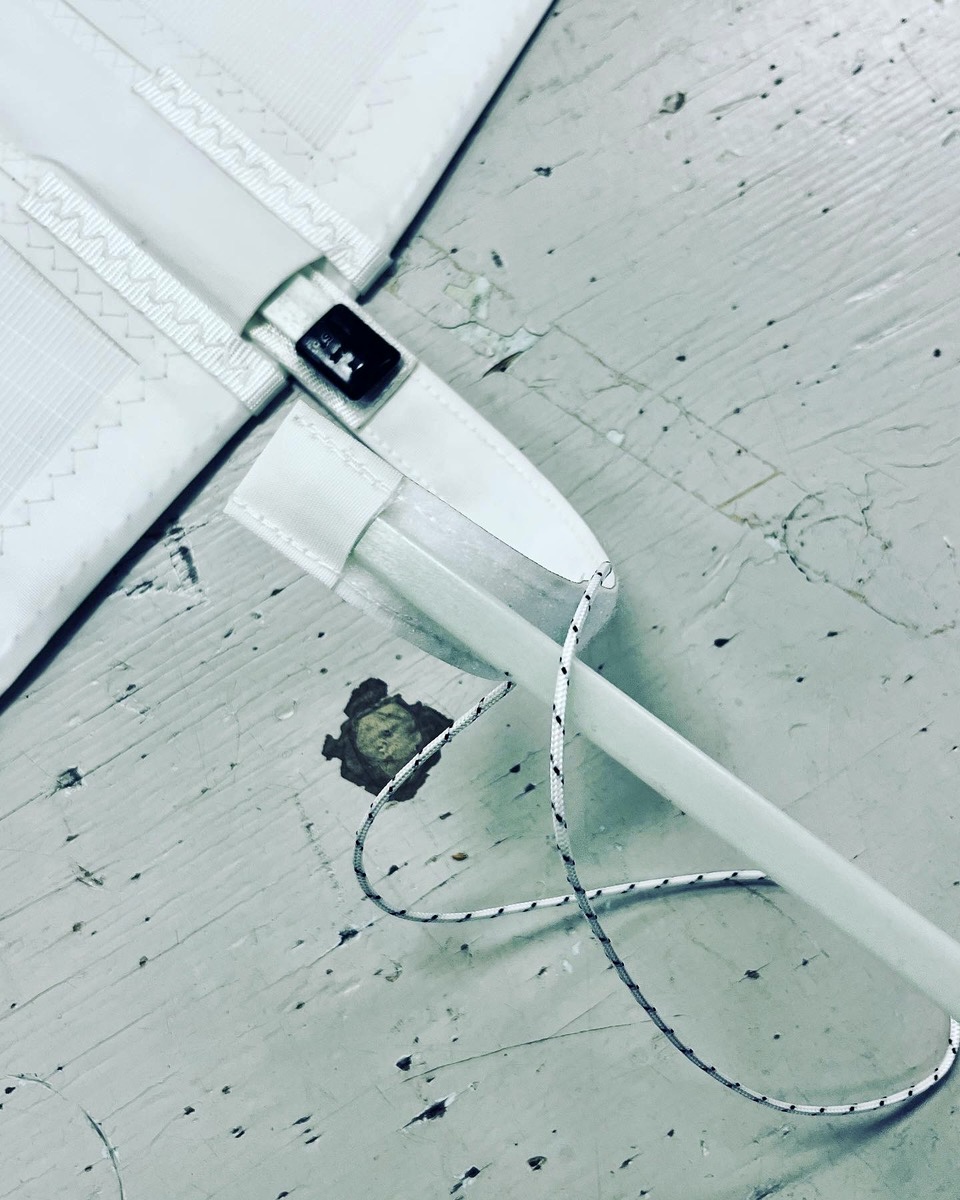
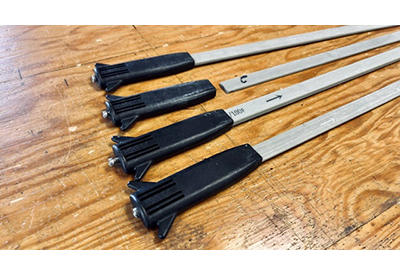
Some sails also use tie in closures and some can be quite elaborate and a good option for some offshore racing or cruising sails. Some race sails come with windsurf style “rocket” tensioners, and these can be a nuisance and the tensioner often get installed incorrectly and lost; make sure you have spares.
Figure 6, 7 – “Rocket” Tensioners
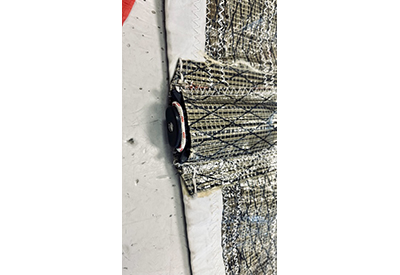
Another feature seen on full length, also known as transverse battens, is luff receptacles. These can be meant to ride up against the mast with boltrope luff mains, have a slot to web to a slide, or a threaded stud that can attach it to mast cars. These pockets ends are very sturdy and can also include a fine adjust tensioner.
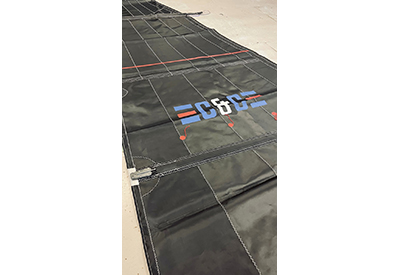
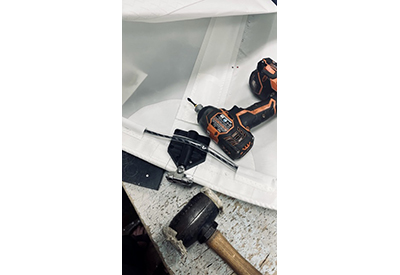
Figure 8 (Left) – Receptacle with Tension Adjuster
Figure 9 (Right) – Receptacle with Tides Car Installed
 Tip #3
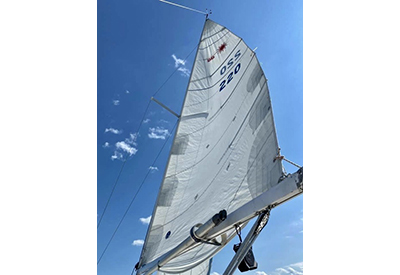
Transverse battens should be installed with a very small amount of preload tension that leaves the batten pocket smooth when sailing, with no vertical wrinkles along the pocket. If you tension them too much, your sail won’t tack well and may not “pop” over to the other tack.
Figure 10 – Not Enough Tension – Not only is the top batten not tensioned enough, the lower battens are way too stiff for the application. It is important to have the right tension and the correct batten.
Tip #4
Partial battens should be installed with almost neutral tension, just enough to hold the batten in snugly. If it is over tensioned, you will see a lump at the inboard edge of the pocket.
Installing your battens correctly, and making sure all of the batten systems are working will keep you on the water.
 Keven Piper, two-time Shark 24 World Champion, founded Hamilton, ON-based Bay Sails in 1998. Email: baysails@gmail.com