


The Rules Guy: Tacking III
Dec 13, 2023
Two articles ago I talked about tacking too close. Both examples that I used had the tacking boat tacking from port tack onto starboard tack. This time I would like to discuss the slightly more complicated situation of the boat that tacks from starboard tack onto port tack.
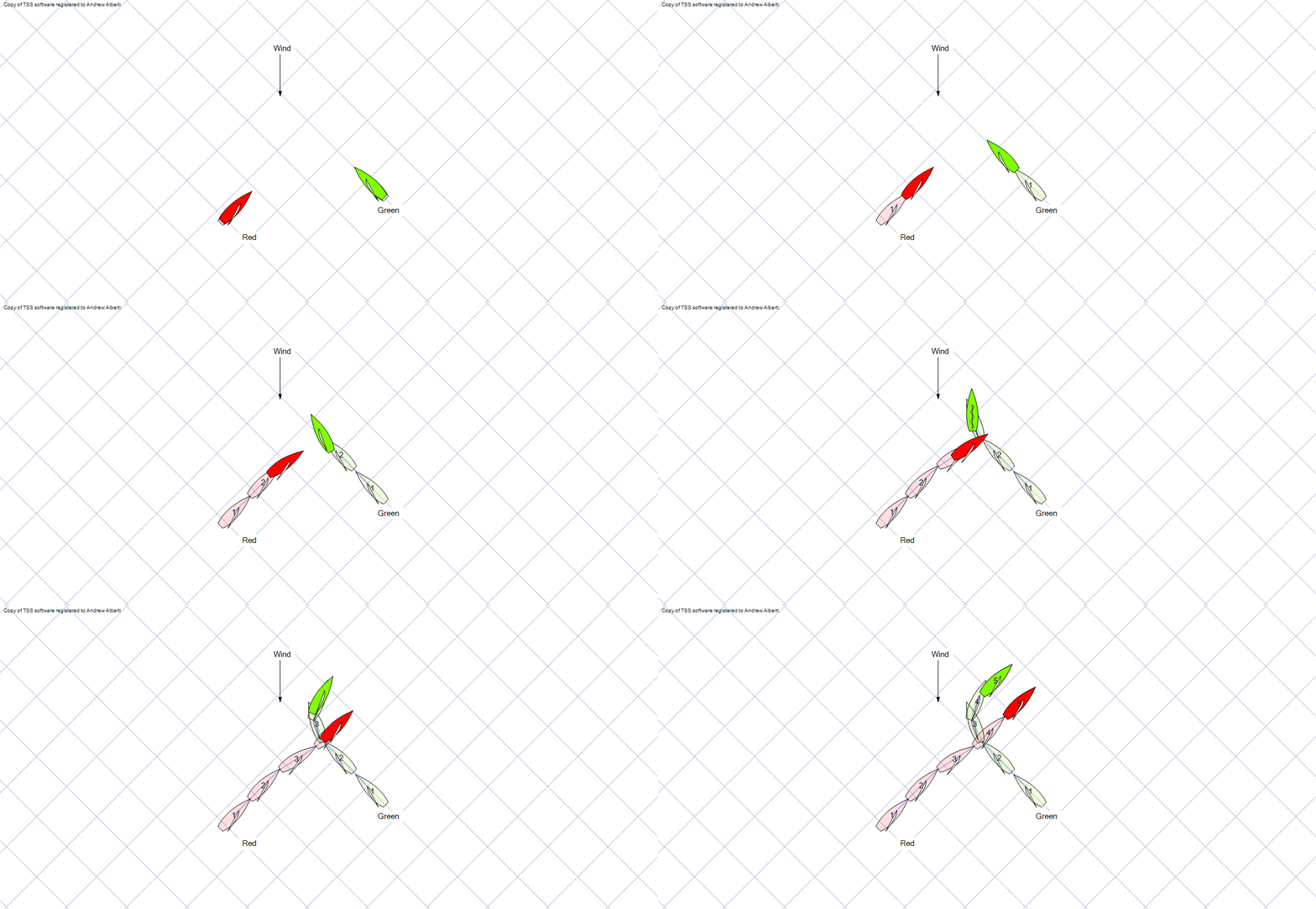
In the diagram, we see Green on starboard tack, crossing ahead of Red on port tack. As Green crosses at position 3, she heads up, and Red must bear away to avoid her. Green is clearly planning to tack, but at position 3 she has not crossed head to wind. She is still a starboard-tack boat and therefore still has right-of-way. Rule 13 does not apply until after Green passes head to wind. As a right-of-way boat altering course, rule 16 says that Green has to give Red room to keep clear. Red is easily able to keep clear, so Green has met that obligation. At position 5 Red is the leeward boat and has right of way under Rule 11.
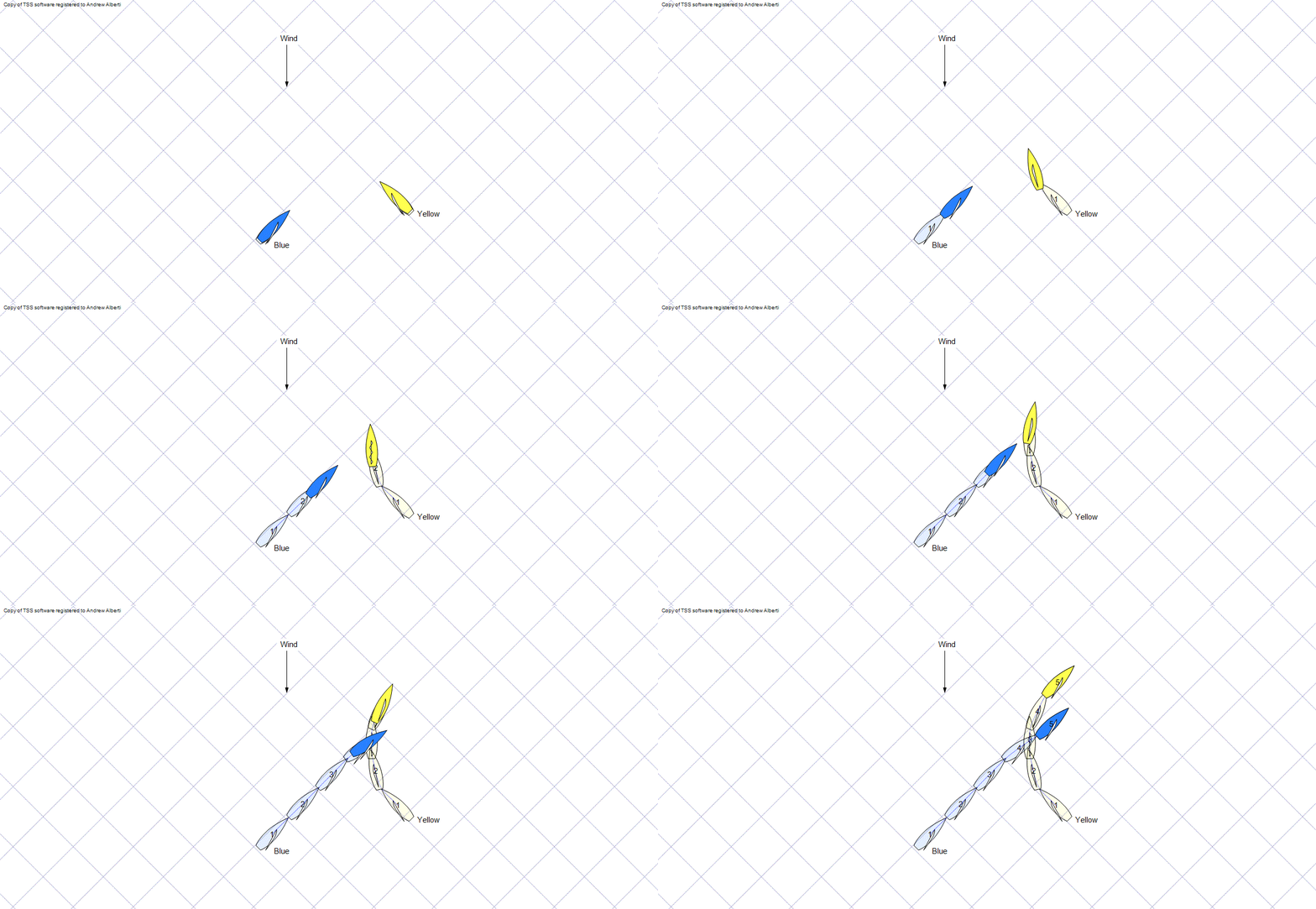
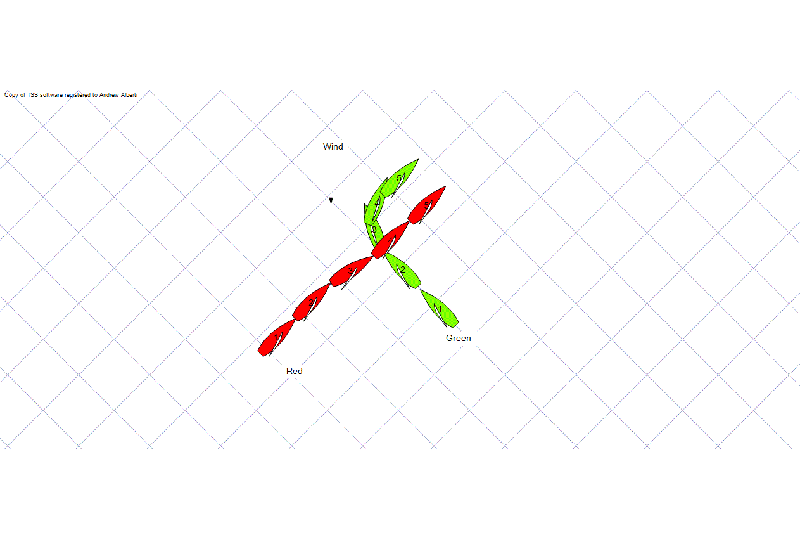
In the second diagram, Yellow starts to tack sooner. At position 4, while Yellow has not reached a close-hauled course, Blue has to bear way. From position 3 when Yellow passes head to wind until position 5 when Yellow reaches a close-hauled course, Yellow is subject to rule 13 and required to keep clear. Since Blue was forced to bear away, Yellow has broken rule 13 by not keeping clear.
| Leeward and Windward A boat’s leeward side is the side that is or, when she is head to wind, was away from the wind. However, when sailing by the lee or directly downwind, her leeward side is the side on which her mainsail lies. The other side is her windward side. When two boats on the same tack overlap, the one on the leeward side of the other is the leeward boat. The other is the windward boat. Tack, Starboard or Port A boat is on the tack, starboard or port, corresponding to her windward side. Windward See Leeward and Windward. 10 ON OPPOSITE TACKS When boats are on opposite tacks, a port-tack boat shall keep clear of a starboard-tack boat. 11 ON THE SAME TACK, OVERLAPPED When boats are on the same tack and overlapped, a windward boat shall keep clear of a leeward boat. 13 WHILE TACKING After a boat passes head to wind, she shall keep clear of other boats until she is on a close-hauled course. During that time rules 10, 11 and 12 do not apply. If two boats are subject to this rule at the same time, the one on the other’s port side or the one astern shall keep clear. 16 CHANGING COURSE 16.1 When a right-of-way boat changes course, she shall give the other boat room to keep clear. |
Andrew Alberti is an International Judge and National Umpire. He is a member of the Sail Canada Rules and Appeals Committees. Send your questions to Andrew at kyrules@alberti.ca