


The Rules Guy: Tacking II
Nov 15, 2023
By Andrew Alberti
In the last article we started a discussion about tacking. In that article we discussed Rule 13 “WHILE TACKING”. This time we will talk about rule 18.3 “Passing Head to Wind in the Zone”. In older versions of the rules this was called “Tacking in the Zone.”
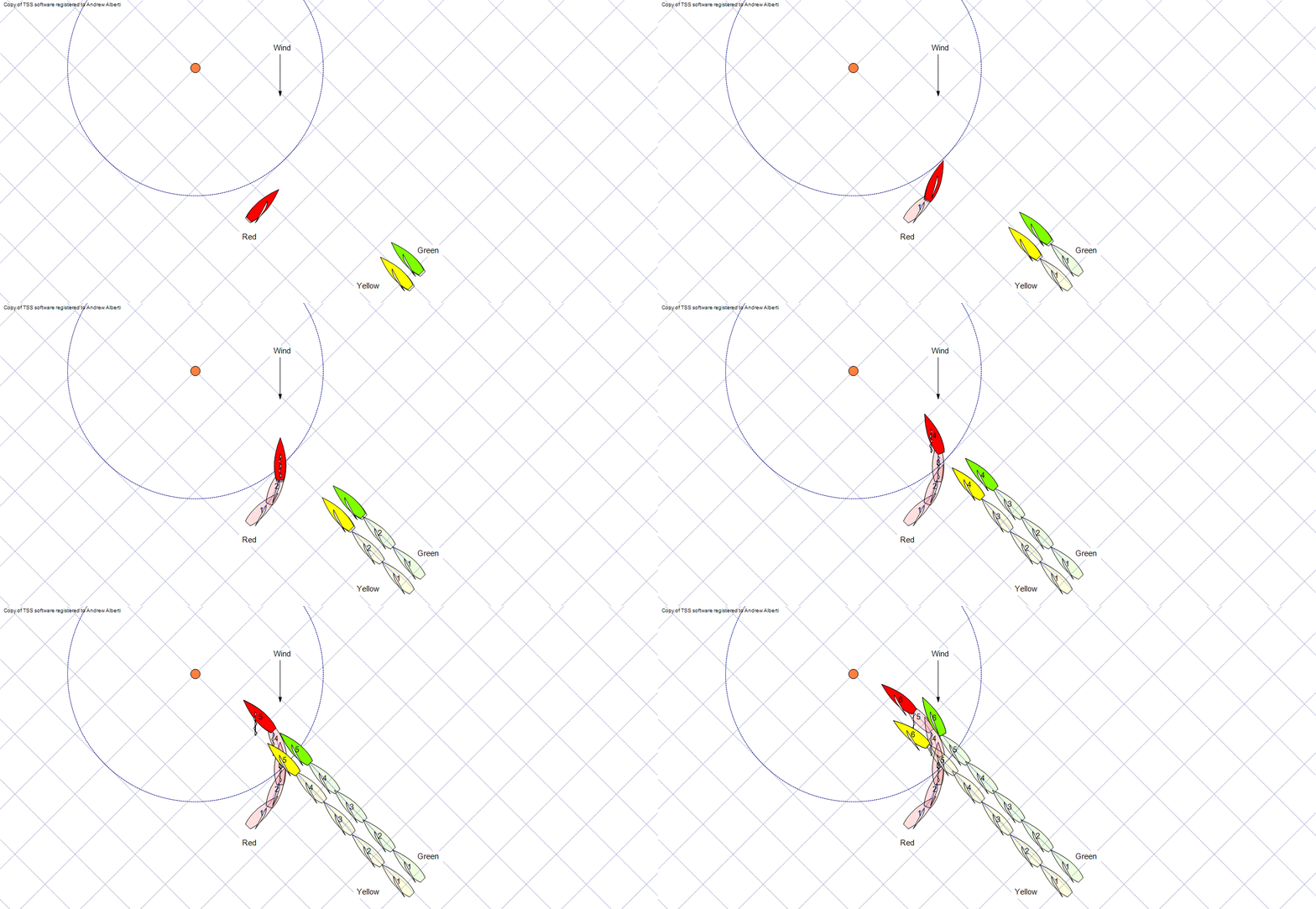
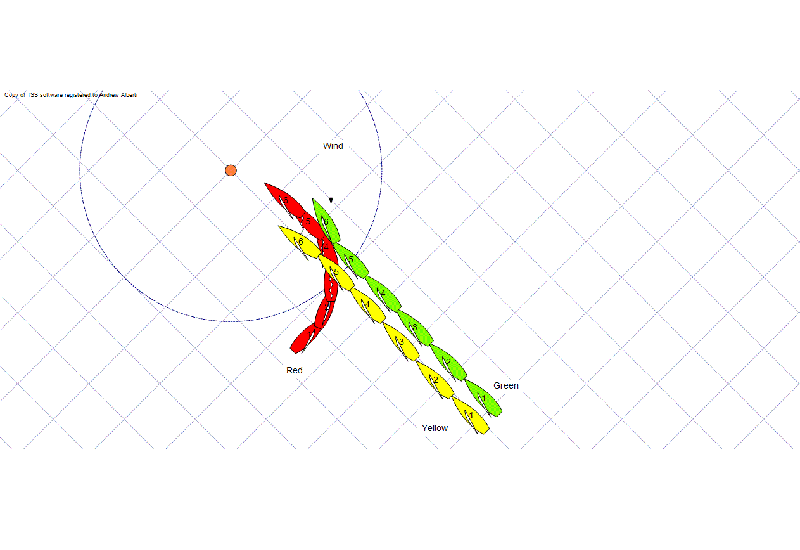
In the diagram we see Red, on port tack approaching Green and Yellow on starboard tack. Red decides to tack in front of both of them. This starts out being very similar to the first diagram in the last article. This time however, Red passes head to wind within the zone of the mark, that is within three hull lengths of the mark.
Red is still subject to the same restrictions that we talked about last time. She must get to a close-hauled course before either Green or Yellow has to take any action to avoid her. She does this at position 5. Green then heads up above close-hauled to avoid her. Since Red forced her to do this, she breaks the first part of Rule 18.3, which says “she shall not cause a boat that has been on starboard tack since entering the zone to sail above close-hauled to avoid contact”. If this is not enough, she also has to comply with the second part which says, “she shall give mark-room if that boat becomes overlapped inside her”. She has to give Yellow mark-room.
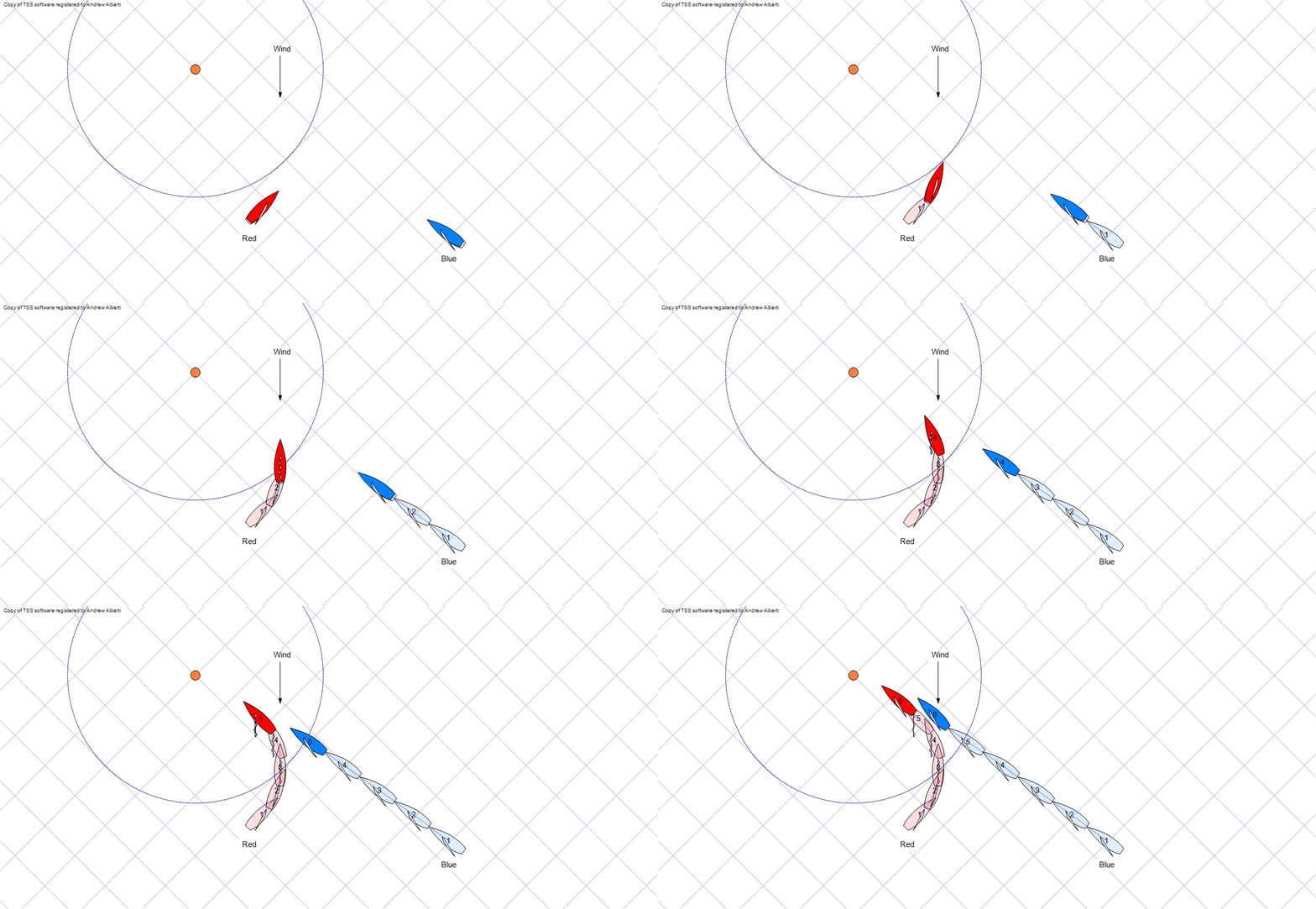
The second diagram looks similar to the first. This time Blue has overstood the mark. When Red has finished her tack, Blue has to head up to avoid her. Blue does not have to go above close-hauled. Red has not broken Rule 18.3. This is however quite tough to prove. Blue might claim that she was above close-hauled and that her sails luffed. The simplest lesson here is don’t tack (strictly “pass head to wind”) within the zone. Sometimes you have to. If so, be very careful. Look for a spot where you will not interfere with starboard-tack boats.
| Zone The area around a mark within a distance of three hull lengths of the boat nearer to it. A boat is in the zone when any part of her hull is in the zone. 13 WHILE TACKING After a boat passes head to wind, she shall keep clear of other boats until she is on a close-hauled course. During that time rules 10, 11 and 12 do not apply. If two boats are subject to this rule at the same time, the one on the other’s port side or the one astern shall keep clear. 18.3 Passing Head to Wind in the Zone If a boat in the zone of a mark to be left to port passes head to wind from port to starboard tack and is then fetching the mark, she shall not cause a boat that has been on starboard tack since entering the zone to sail above close-hauled to avoid contact and she shall give mark-room if that boat becomes overlapped inside her. When this rule applies between boats, rule 18.2 does not apply between them. |
Andrew Alberti is an International Judge and National Umpire. He is a member of the Sail Canada Rules and Appeals Committees. Send your questions to Andrew at kyrules@alberti.ca