


Code Sails and Reaching Sails
Jan 19, 2022
by Keven Piper
Over the last month we have been busy in the loft getting customers sails recut for the next sailing season. Two of the projects were interesting recut jobs. One involved an Asymmetric Spinnaker that wasn’t asymmetric enough to qualify for racing, and the other was a modern offshore one design boat from Europe with a Furling Asymmetric Spinnaker. Unfortunately for the boat owner, that didn’t meet the 75% SMG/Foot limit. These projects force you to be creative on how to remake a sail so that it is useful and sets well. The frustration of the sailors getting sails that they couldn’t race with got me thinking about being smarter about selecting spinnakers and reaching headsails.
Last spring I had an article describing different types of Asymmetric Spinnakers, and for the most part that is what customers are asking me about lately. I will pull up the definition I used then:
Racing Code 0 (Code 75%) – Having an SMG to Foot Ratio of 75%, it is essentially the smallest and flattest “real” spinnaker that can be used for racing. Because of their 75% girth to foot ratio, the sails are very powerful close reaching sails, but will not quite get you upwind very effectively. This type of sail can work well on a spinnaker furling system, but tends to have a fairly narrow window where they are definitively more effective than other sails in your inventory.
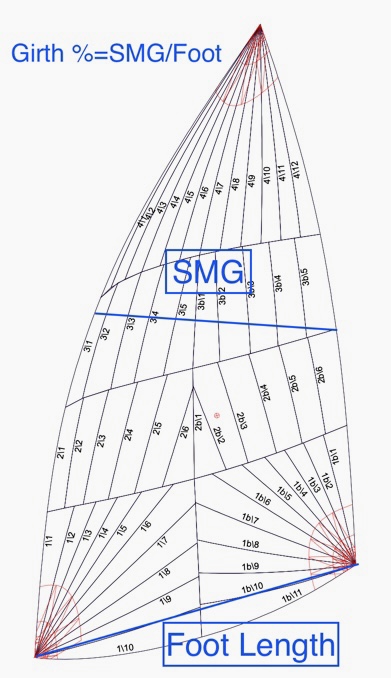 Fig 1: The SMG must be at least 75% of Foot Length
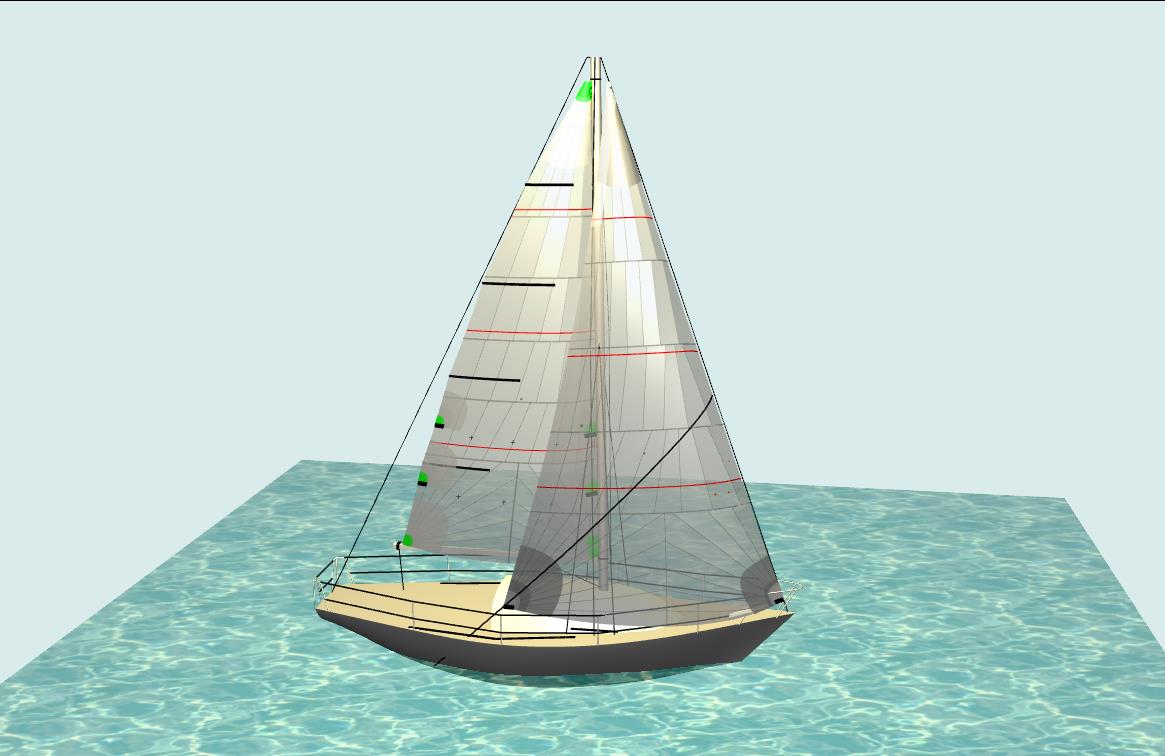
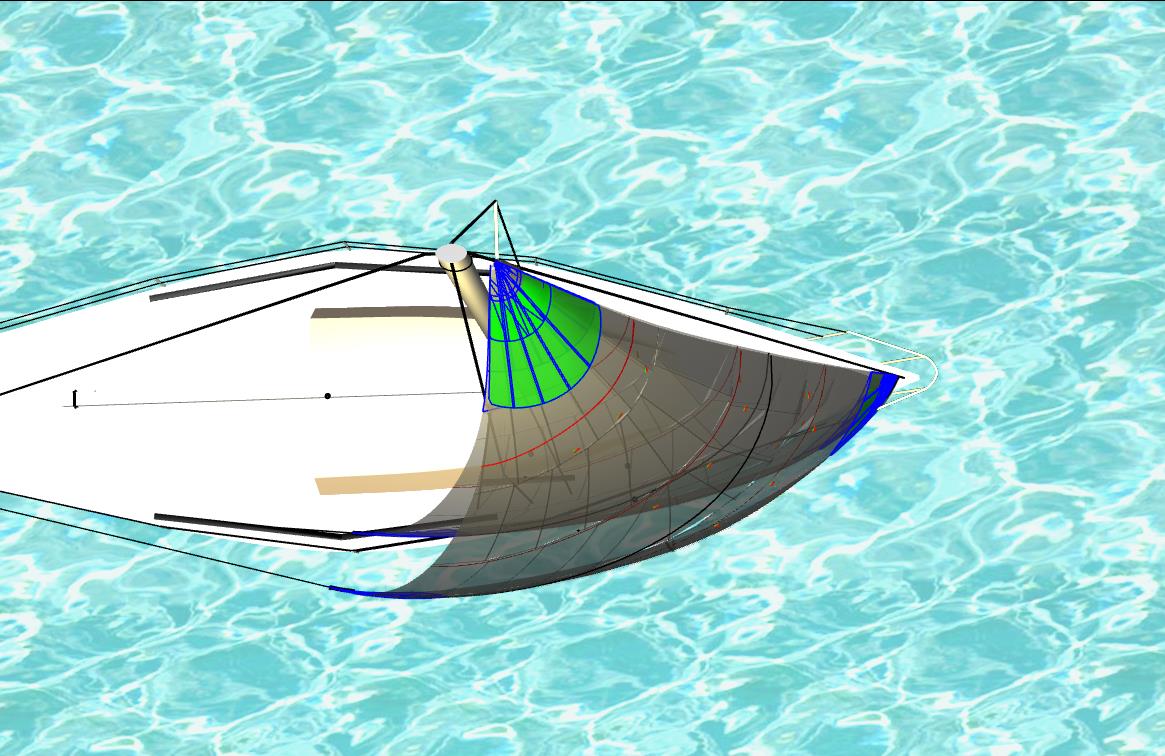
Going into more depth on the issue, these sails have a significantly larger role on boats that don’t have low aspect ratio overlapping headsails (See Fig 2). Most boats with overlapping genoas have quite strong headsail reaching performance with sheets eased (See Fig 3). The low aspect ratio of the large headsails don’t twist excessively when sheets are eased and long tracks allow large latitude in lead position. These aren’t necessarily the most efficient rigs to weather, but they can adapt to most points of sail with outboard sheet leads for the headsail and normal all-purpose symmetrical or asymmetrical spinnakers. Everything in boat and sail design involves making a compromise somewhere!
(Left) Fig 2: Genoa Headsail with Low Aspect Ratio – These sails are generally easy to trim and not very sensitive to small adjustments of sheet tension or lead position
(Right) Fig 3: Genoa Eased Top View – The low aspect ratio genoa eases out progressively without a significant amount of twist
Now let’s take a look at a rig designed with a non-overlapping headsail in Fig 4.
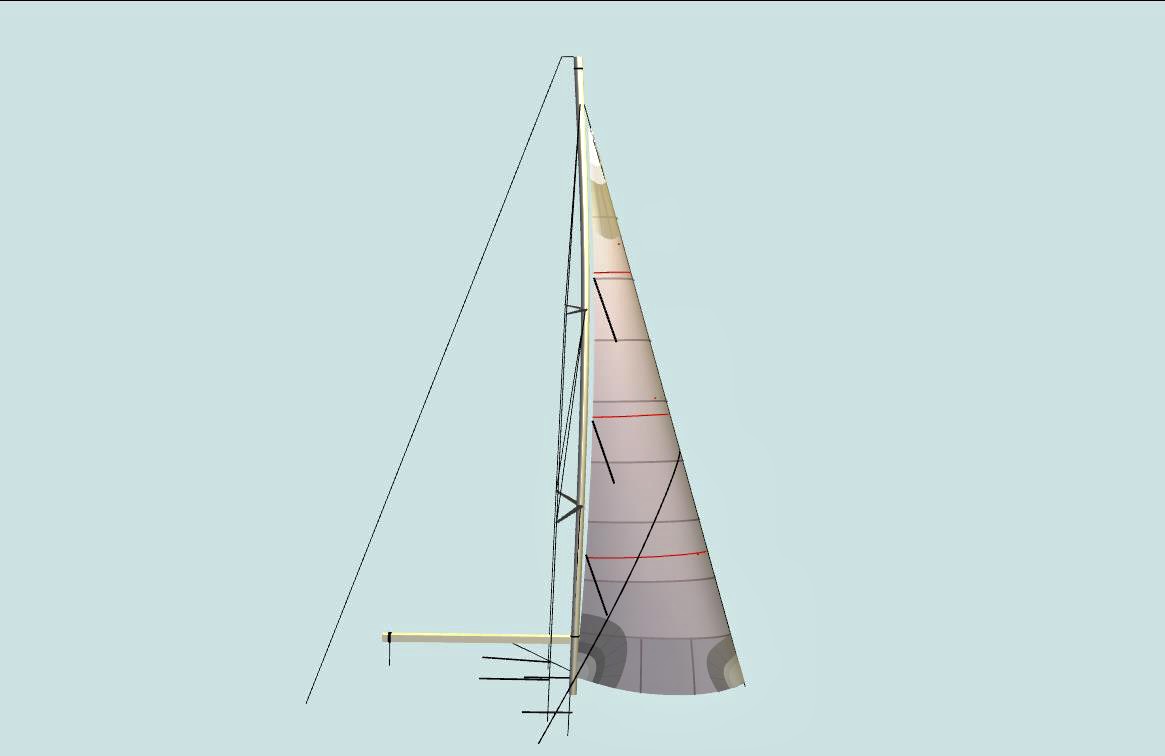 Fig 4: High Aspect Jib trimmed for upwind sailing. This sail is very sensitive to small trim adjustments and be trimmed ahead of the spreaders. Having the leech ahead of the spreaders allows tighter upwind trim angles since it won’t touch the spreaders.
You can see how nicely the tall and skinny high aspect headsail trims upwind. As soon as you ease the inhauler and sheets and pull the car forward to control twist, you quickly run out of adjustment as the sail twists open (Fig 5). The high aspect jib gets inefficient and doesn’t create much drive except down low in the sail (Fig 6).
(Left) Fig 5: High Aspect Jib Twisting off as sheets are eased.
(Right) Fig 6: High Aspect Jib Top View – the sail is twisting off up high and reducing power for reaching. This is even with adjusting the lead cars outboard and forward.
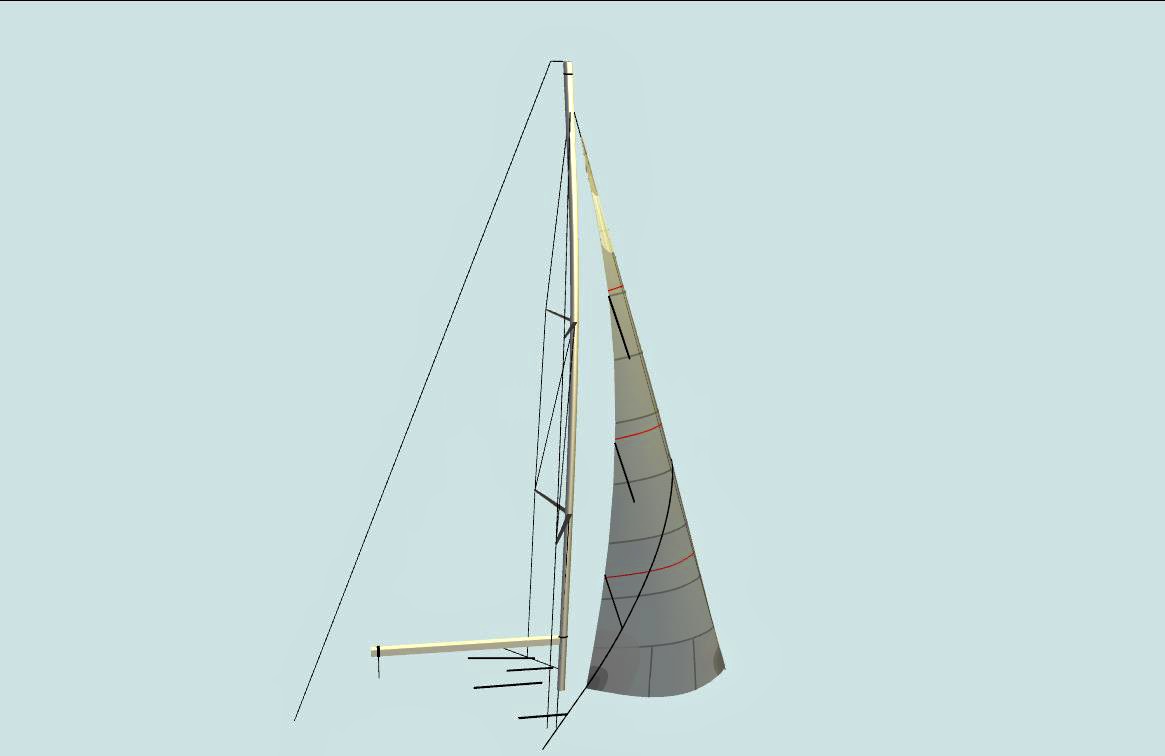
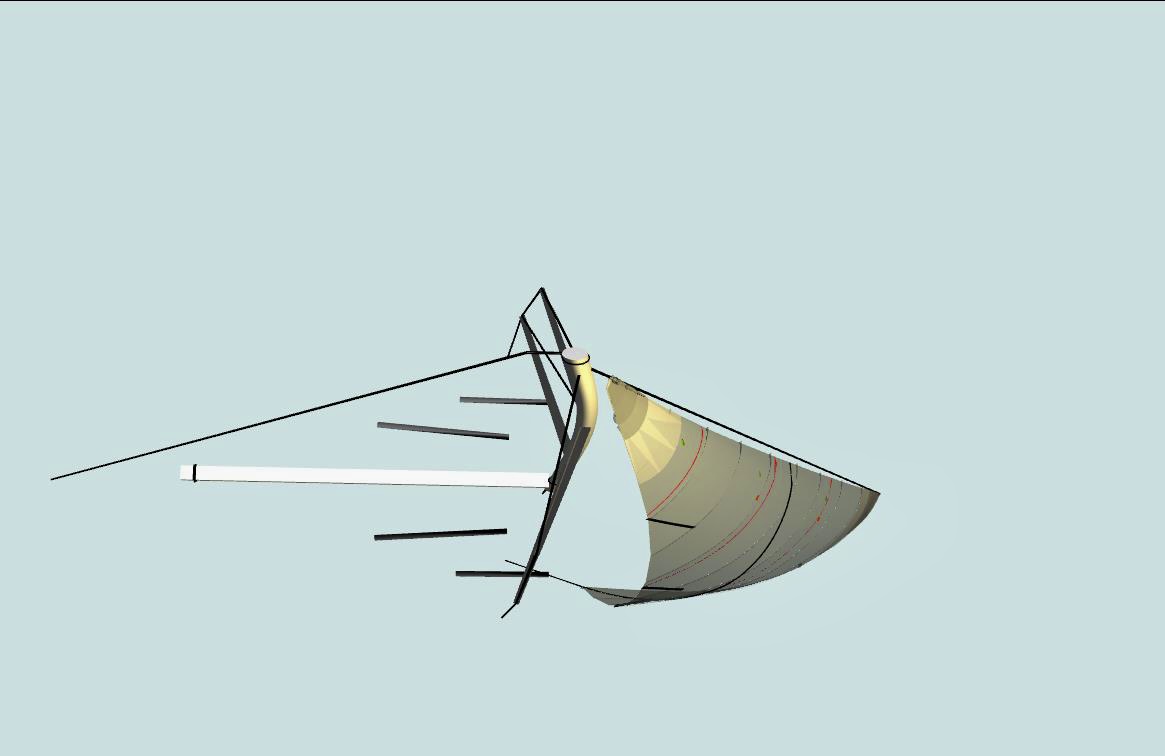
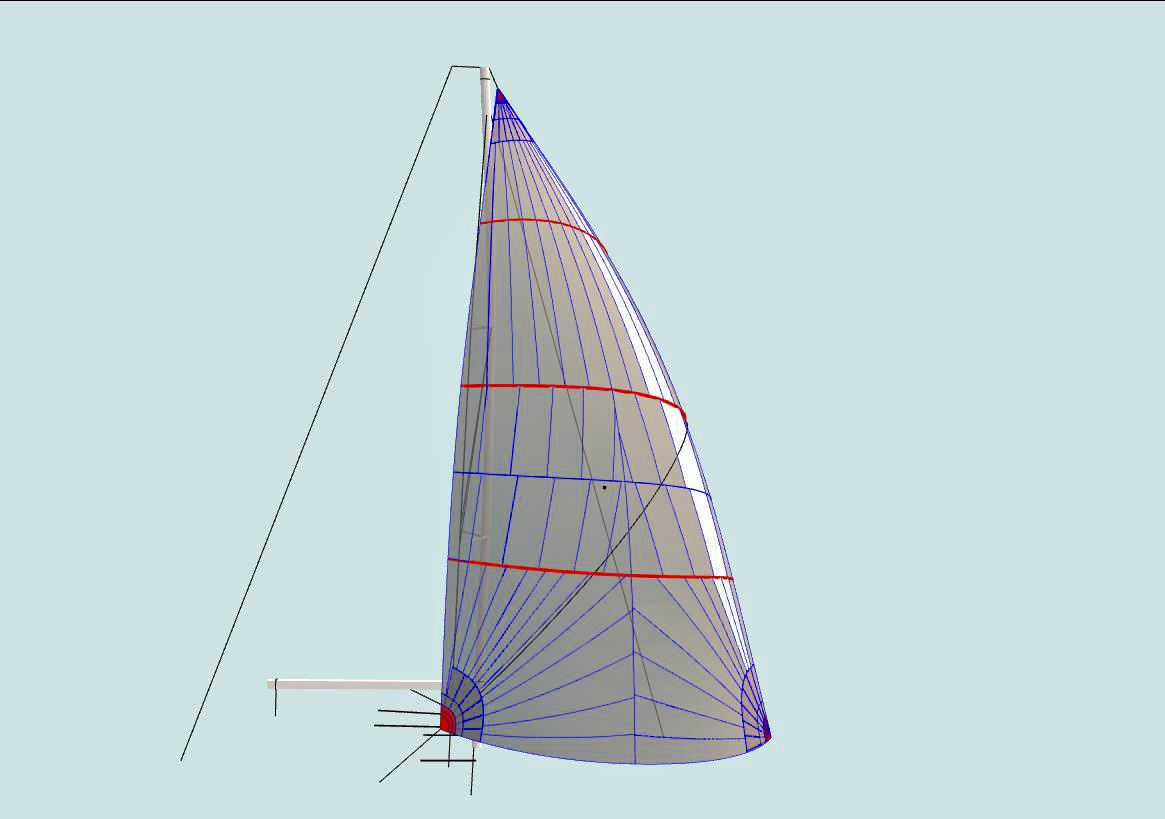
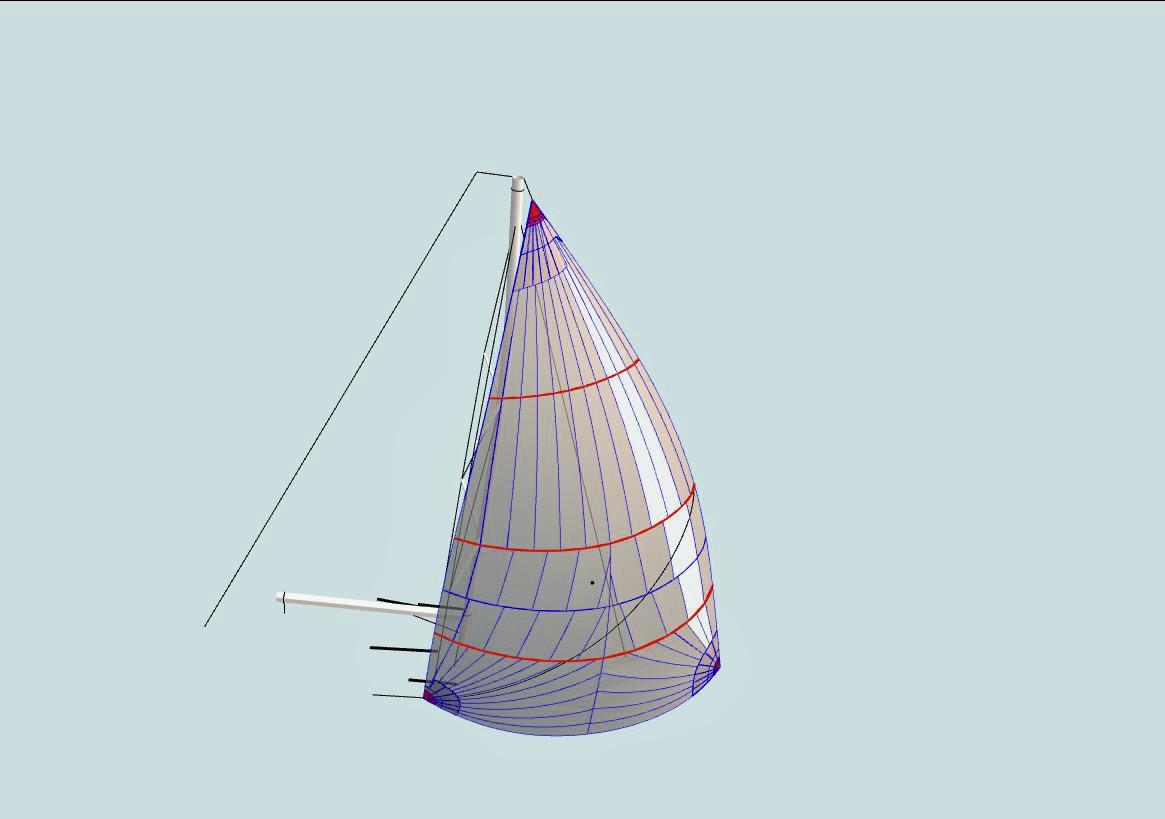
This is where a 75% girth spinnaker becomes a strong performance option. Here you can see the significantly larger area of a minimum size spinnaker like a Code 0 compared to the small non-overlapping jib setup (Fig 7 and Fig 8). This is a significant boost for this type of rig, a much larger boost than a rig with overlapping headsails.
(Left) Fig 7: Code 75% Reaching – large area boost from the small upwind rated jib. This is now a lower aspect ratio reaching sail with significantly more exposure to the wind and gets the boat loaded up to go fast.
(Right) Fig 8: Code 75% Reaching Depth – look how much more depth and area this presents compared to the small non-overlapping headsail or even the low aspect genoa in Fig 3.
Next issue I will look at where Jip Top reaching headsails that are measured as jibs can be really useful.
Keven Piper, two-time Shark 24 World Champion, founded Hamilton, ON-based Bay Sails in 1998.