


Second 750-Mile Race to Alaska: June 23, 2016
Mar 8, 2016
No motors, no support, all the way to Alaska.
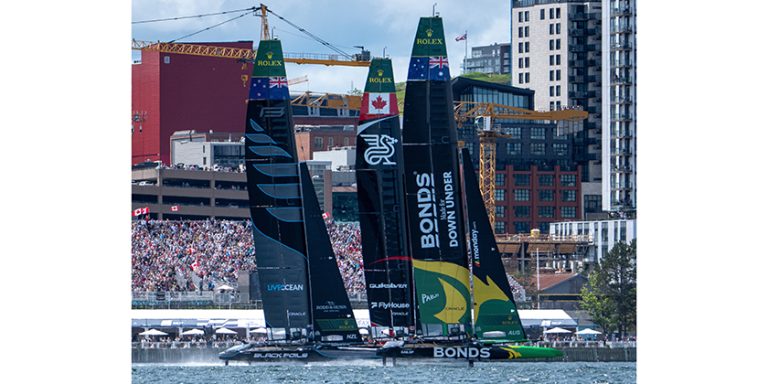
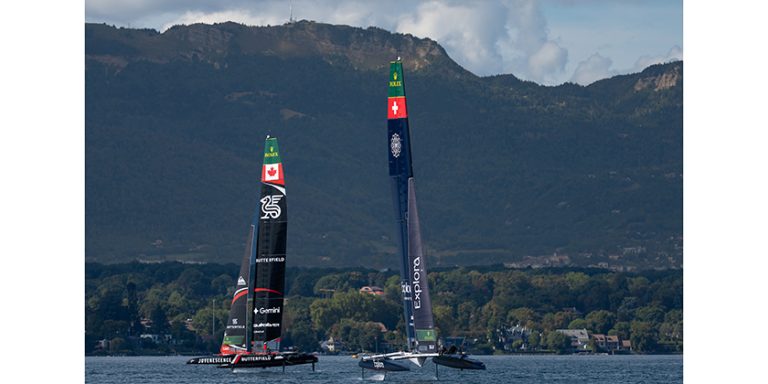
The format of the race remains largely identical to the inaugural race, the most significant change is a challenge issued by race organizers to Larry Ellison: If the former Oracle CEO and his America’s Cup Team can simply complete the Race to Alaska onboard a boat that has been in the America’s Cup, he will earn an honorary set of R2AK steak knives, the race’s iconic second place prize.
Now in its second year, the Race to Alaska is a 750-mile boat race between Port Townsend, WA and Ketchikan, Alaska, that has few rules: no motors onboard, no prearranged support. There are no handicaps or classes for different types of vessels and the first to cross the finish line gets $10,000, the second place team gets a set of steak knives.
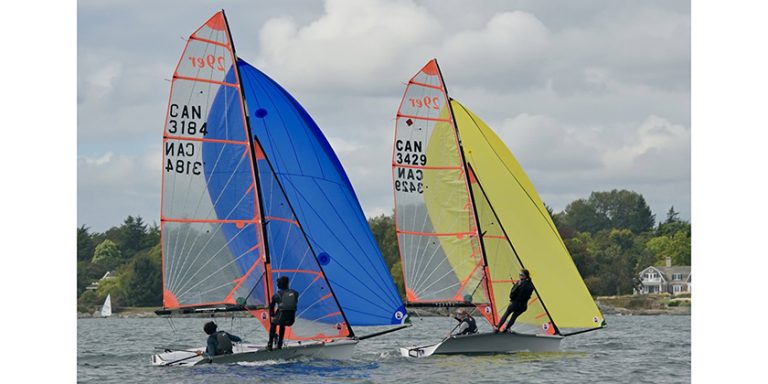
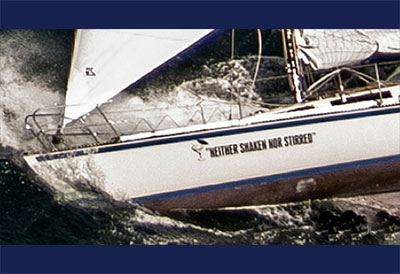
In its first year, only 15 of the 35 teams that entered crossed the finish line. The race was started to demonstrate what can be possible without an engine, and that adventure can be had on virtually any budget. Teams finished in vessels ranging from racing trimarans, open sailboats, outrigger canoes, and a kayak. One team finished in a boat they had pulled out of the blackberry bushes just a few months before. “Someone called this race ‘The America’s Cup for Dirtbags’, but we try to be inclusive so we wanted to invite Larry to make sure that even fancy sailors felt welcome,” said Jake Beattie, R2AK creator and Executive Director of the Northwest Maritime Center, the non-profit organization behind the race.
The invitation was also an experiment. “Last year there was a lot of fear among the racers that he would show up in multi-million dollar boat and turn this good natured, grassroots thing into an arms race. But the more we thought about it, the less we were sure that an America’s Cup boat would actually make it. They sail fast but seem to break a lot.” According to the rules of the R2AK, teams can avail themselves of resources that are available along the race route, but only if those resources are available to everyone, and nothing that has been prearranged. Beattie elaborated, “You can buy food, borrow tools, stay at a hotel- you can even get a foot massage if you want to- just as long as everyone else could too.” Support boats and onshore support teams are strictly prohibited. “If it was a supported race they’d win hands down, but if they are just out there on their own could they even make it to the finish line? Now that’s an interesting question.” Beattie mailed Ellison a hand written formal invitation, and then extended the invitation via an online video “Just to up our odds that he got the message. To show him we were serious, we even offered to waive the $650 entry fee if he took us up on it.” At time of posting, Beattie hasn’t heard back from Ellison.
More information about the R2AK can be found at www.R2AK.com