


It Takes More Than Good Intentions and a Good Breeze
January 4, 2023
By Roger Renaud
With the start of the new year, Sailing in Canada begins a series that impacts the largest number of racers in the country, Club Racing. Roger Renaud, who has prepared the series has been racing at the club, regional and national level since…well, a long time. He has raced handicap, one design keelboats and everything else and has been fleet captain, rear commodore and all the rest.
One note: Roger’s experience currently is on the Great Lakes and the initial columns are from that perspective. SinC welcomes feedback from club racers across the country – it will be very informative to compare and share ideas. Send your comments any time to sailingincanada@kerrwil.com.
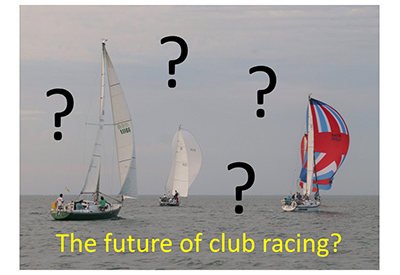
My editor asked that I investigate the issue about whether weekday club racing will survive? Does it have a future? As a member of two sailing blogs, I decided to post a little survey and ask the sailing community what they thought. One blog is called Lake St Clair Sailor, and the second, Sailing on Lake Ontario. I also sent a copy to LaSalle Mariners Yacht Club, a very successful and healthy club on the Detroit River. So far, I have received more than 200 comments and anticipate more to come.
These questions were posted to both blogs:
What is important to keep a good club racing program?
Will club racing survive?
What are they key ingredients?
 Here is what the sailors who responded think:
- More than half of the sailors who responded said club racing had to be fun. The beer drinking and BBQ after the race were as important as the on-the-water experience;
- Sailing Clubs and PHRF organizations need to provide the necessary classroom-style training about PHRF handicapping, about racing a sailboat, and proper boat maintenance to improve performance;
- Clubs need to invest both time and money in support of their mission, and not just give the topics lip-service. In those flourishing clubs, the Executive are typically aligned with the sailing programs, with others, such as Harbour or Yard, as the support services. This governance model better ensures the longevity of the sanctioned club programs, especially when it comes to the club racing. Why? Because it demonstrates a commitment to the primary mission of the club.
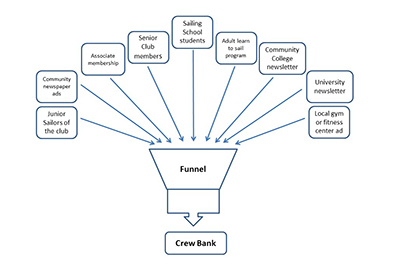
- The primary ingredient, other than a culture and a will for success, at a club that wants to sustain an active weekday club racing, is crew. Unless you are providing a single or double handed weekday club racing program, the average boat required 3 – 4 sailors if in a white sail (JAM) division, or 5 – 7 people for a boat in the spinnaker division. Over 50% of the comments received focused on “getting crew”, and the various innovative ways clubs have found and/or promoted “crewing”. There needs to be an active recruiting program to attract and maintain a crew bank.
- Having a junior sailing program at the club is paramount for a club to survive in the longer term.
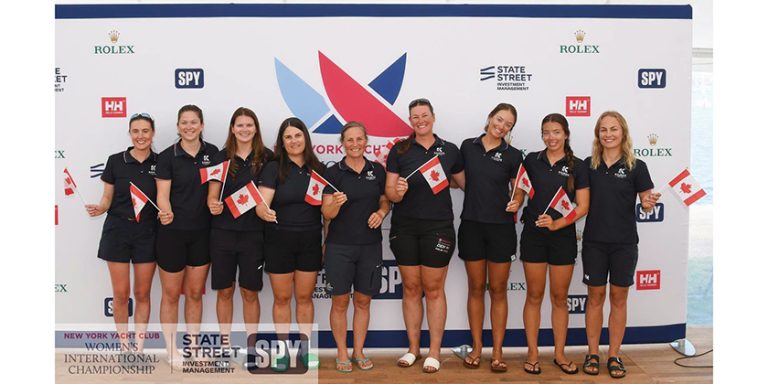
- Diversity is key. We need more and more women sailing!
- Finally, although a challenge, keep costs down so younger generations can afford the sailing experience.
Sailors of various levels responded. Some were racing sailors while others were not. Some were novice and others more seasoned. Many understand what it takes to race a sailboat and to win a race, while others do not.
Next time – Does Club Racing Have a Future?
 Born in Windsor, Ontario, Roger moved to Toronto for work in the early 70’s where he sailed a Hobie off Cherry Beach. Eventually joining ABYC, he has owned three different Thunderbirds over the years. The Thunderbird, 8-meter, E-22, Laser 28, CC27, CC34, CC99, and the Beneteau First 36.7’s, were the other one-design fleets he raced in, each for a few years dedicated to a program. He was also involved in a significant three-year program on the NM 36, Maggie Kelly.
Since returning to Essex County, he has been racing locally and in the Detroit (DYRA) PHRF divisions on his restored Pearson Flyer.