


Toronto to Install 5 Waterfront Nodes for Water Sport Access
Mar 7, 2017
On February 2nd, Toronto’s Parks and Environment Committee received a report that was developed in response to a question from the committee as to how Toronto could become a “more paddle friendly city”. According to the report, an investment of approximately $500,000 will relieve pressure on current waterfront access points and provide great opportunities for waterfront recreation.
Coming from Jamie Romoff, General Manager of Parks, Forestry, and Recreation Division, the report details locations and benefits of waterfront recreational nodes, selected by the Division and Toronto Region Conservation Authority (TRCA).
The five locations selected are:
1 Bluffers Park (Ward 38)
2 Marie Curtis Park (Ward 6)
3 Prince of Wales Park (Ward 6)
4 Humber Bay Park West (Ward 6)
5 Coronation Park (Ward 20)
TRCA will be designing and installing the nodes. The expected benefits will impact water sport recreationists, fishers and anglers, and aquatic habitat in the form of spawning beds, sunken logs, sunken cribs, shoals, and rocky reefs. “Waterfront nodes provide important focal points for the public and can reduce shoreline trampling by park users, which allows for significant shoreline regeneration opportunities adjacent to nodes,” said the report.
Criteria used to choose the nodes included:
• Strong fish habitat and/or strong potential for healthy fish habitat through restoration efforts
• Ability to provide multiple uses, including watercraft launching and fishing
• Proximity to active waterfront
• Good parking access
• Community support
The financial impact of the expansion of waterfront access will be minimal. As the report noted, “There are no additional resources or operating costs required for the waterfront nodes,” and maintenance and operation costs are easily folded into the 2017 Preliminary operating budget. Only the initial development will require capital investment, which is expected to range from $75,000–$100,000 per node, standing a good chance of coming in under a total of $500,000.
These nodes will be installed in 2017 while other potential locations are being identified for development within the next five years.
This story was first published on watercanada.net.
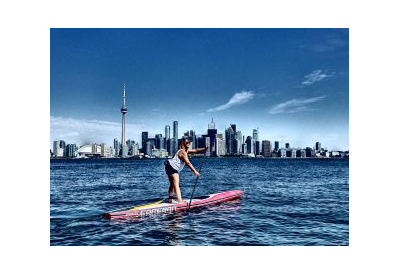
Photo Credit: John Vetterli.