

Operation Dry Water – CSBC – Civic Holiday Weekend
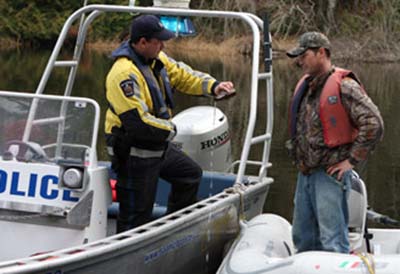
Drinking and boating accounts for approximately 40% of boating-related fatalities on Canadian waterways. To raise awareness and reduce alcohol related deaths, the Canadian Safe Boating Council (CSBC) is launching year 2 of an initiative called “Operation Dry Water”. Its goal is to discourage this dangerous practice.
With the summer boating season in high gear, the August 2nd long weekend is the perfect time to remind Canadian boaters about the risks of drinking and boating. Combined with sun, wind, waves and the rocking motion of the boat, the effects of alcohol on the water can be greatly increased.
“The CSBC and its partners would like, through this initiative, to raise attention to the problem of boating under the influence and to remind boaters not to drink and boat,” stated Jean Murray, Chair of the Canadian Safe Boating Council.
Operation Dry Water will focus on the potential risks of drinking and boating, and remedies that are currently in place to discourage it.
Federal statutes dictate that, whether or not your craft is motorized, you can be charged with Impaired Operation of a vessel under the Criminal Code of Canada if your blood alcohol level exceeds the .08 threshold. This means you can be charged even if you are impaired while operating a canoe and a judge is able to, upon conviction, suspend your boating privileges. But that’s not all; it can get worse.
Some provinces have enacted legislation where drinking and boating can affect your automobile driving privileges. In Ontario, for example, Bill 209 amended the Highway Traffic Act to also apply to “anyone operating or having the care or control of a vessel”. As such, anyone found boating with a blood alcohol level above .05, faces an on-the-spot automobile drivers’ license suspension. Should the person’s blood alcohol concentration exceed .08, upon conviction, an additional suspension of up to one year can be
applied.
Operation Dry Water is aimed at reducing the number of alcohol-related accidents and fatalities on the water while fostering a stronger and more visible deterrent to alcohol use while boating. The end goal? To achieve safer and more enjoyable recreational boating.
During the August 2nd long weekend, a number of Police agencies will be offering the media the chance to ride along while they conduct on-water vessel safety checks. Please contact your local detachment to see if they are offering this opportunity.
This initiative is made possible through support of Transport Canada’s Office of Boating Safety.
For a 30-second PSA and additional information on boating safety please visit www.csbc.ca.