


BC’S Marine World is Pristine. Let’s Keep it that Way.
Sept 10, 2020
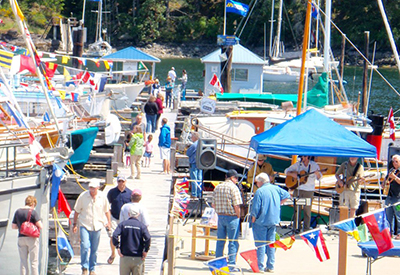
Georgia Strait Alliance, Clean Marine event
We recognize the potential impact that boats have on the marine ecosystem, and the communities we enjoy. It’s up to all of us to understand how we can minimize our impact and practice responsible environmental stewardship.
Boating BC is a long-time partner of the Georgia Strait Alliance’s Clean Marine BC Program. For more detailed information about green boating, download their Guide To Green Boating and check out the video below. For easy reference, check out our 10 Tips to Green Boating below.
Ten Tips for Green Boating
1. Responsible Sewage Management. Manage all sewage responsibly by using pump-out services where possible and/or dumping sewage in deep open water, away from anchorages, sensitive areas, shellfish beds and swimmers. It is illegal to release sewage at the dock, in anchorages, near sensitive areas or within three nautical miles of shore.
2. Greywater Discharge. Reduce greywater discharge (from sinks and showers).
3. Refuel Responsibly. Small spills from recreational boaters add up and have a negative impact on the environment. Take care when fueling by not rushing and using oil absorbent rags and other devices to make sure no fuel goes in the water. If you do experience a small spill, contain it with a spill kit or report it at 1.800.OILS.911.
4. Bilge Management. Use bilge filters or bilge pads to absorb oil and fuel so none gets pumped overboard accidentally.
5. Use Eco-Products. Maintain the boat using environmentally responsible products or alternatives.
6. Pick the Right Paint. Use hard bottom paint (non-sloughing), or eco-friendly alternatives.
7. Waste Disposal. Dispose of all wastes properly. Remember that many remote areas do not have garbage facilities and it is illegal to throw anything overboard, even organic food waste!
8. Work With Responsible Boat Yards. Haul out at responsible boat yards with containment policies and equipment so sanding remnants and scrapings don’t end up in the water.
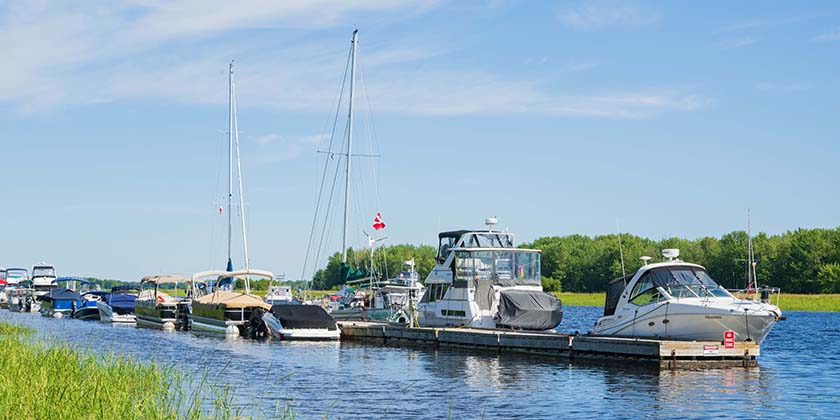
9. Look for Clean Marinas. Support marinas with responsible environmental policies and practices.
10. Get Informed on Invasive Species. Aquatic invasive species can be spread on your hull, in the bilge and on the boat trailer. Clean, drain and dry out your boat, trailer and equipment when relocating. It is against the law in BC to transport invasive species – for more information visit www.bcinvasives.ca.