


The Boat Guy: Choosing the right sacrificial anodes is critical! – Part 1
September 10, 2026
by Marc Robic
Regardless of the type of boat, if it’s kept in the water all season, your sacrificial anodes must be part of your regular to-do maintenance list. This seemingly innocent looking part, made of zinc, aluminium or magnesium and available in various shapes, sizes and installation options, is critical to your boat’s well being.
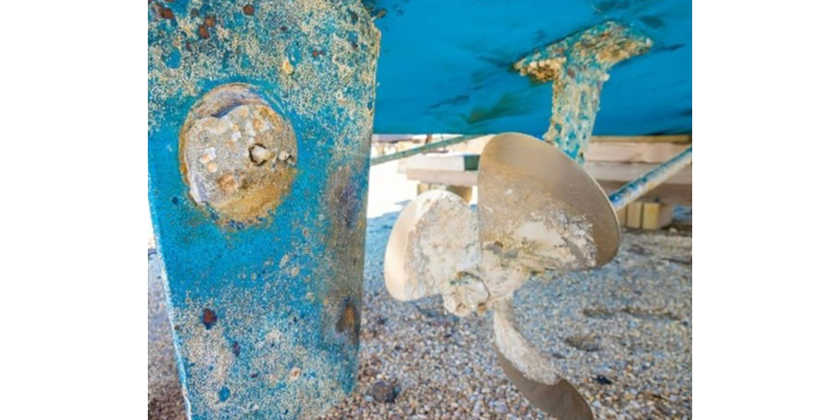
During fall or spring, take a walk around your marina or yacht club and look at anodes on all the boats while they’re on the hard. You will notice how many different anodes there actually are! Some on rudders, some on the outboard foot, some on prop shafts, etc. Some in good shape, others in desperate need of replacement or perhaps re-bedding.
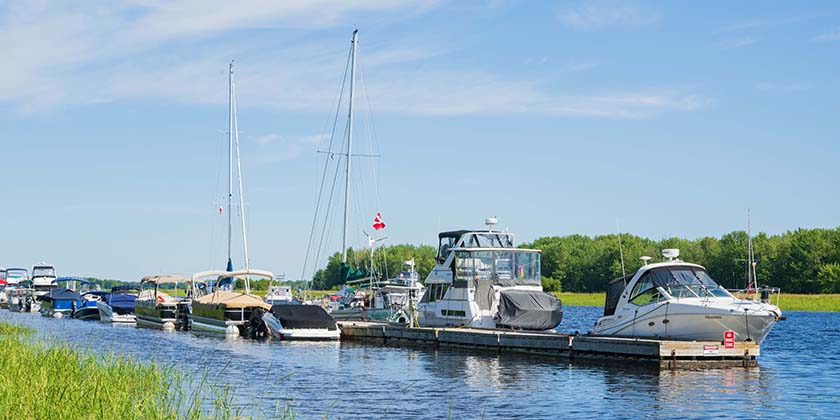
In harbours with no electricity delivered to individual slips, anodes can last a really long time. That’s because there is no galvanic reaction that goes on below the surface of the water that attack these important anodes. However, in harbours with shore power at individual slips, the story is much more problematic. The galvanic reaction is mostly caused by neighbouring boats that are plugged in to shore power and left that way all the time. So, if you do have shore power at your club, be sure to inspect your anodes and replace them regularly.
But what exactly do these sacrificial anodes actually do? As their name implies, they sacrifice themselves by attracting the corrosive galvanic reaction and, by doing so, protect all other metal components such as rudders, rudder posts, props, prop shafts and any other metal components that are grounded and in the water. With the proper size, installation and quantity, the anode(s) will corrode and deteriorate long before the other more critical and costly parts of your boat do.
Hence why regular and careful inspection and replacement of these anodes is an important maintenance item. And although these are easily replaced, for the most part, somehow, I often see they are not. Don’t wait for the anodes to be completely gone before replacing them. As their surface volume reduces over time, so too will the protection they offer be diminished.
This is why these all-important anodes come in so many different shapes and sizes to accommodate the installation. Some are flat and aerodynamic to provide less resistance when under way. Others fit on the propeller shaft to protect the shaft, prop and engine components.
Next issue – Anodes Part 2: The Biggest Mistakes and Marc’s Tips

Marc Robic – The Boat Guy – Marc is a member of BoatCan who, with his wife, sails their Catalina 270, Aquaholic 3, out of the Ile-Perrot Yacht Club in Montreal, where Marc spent 16 years as Harbour Master. They are also regular Caribbean bareboat yacht charterers.
With over 40-years experience on boats, Marc is our OnBoard do-it-yourselfer.