


L’océan Austral reconnu par les scientifiques
CYOB-3-LoceanAustral-400.jpg

5 juillet, 2021

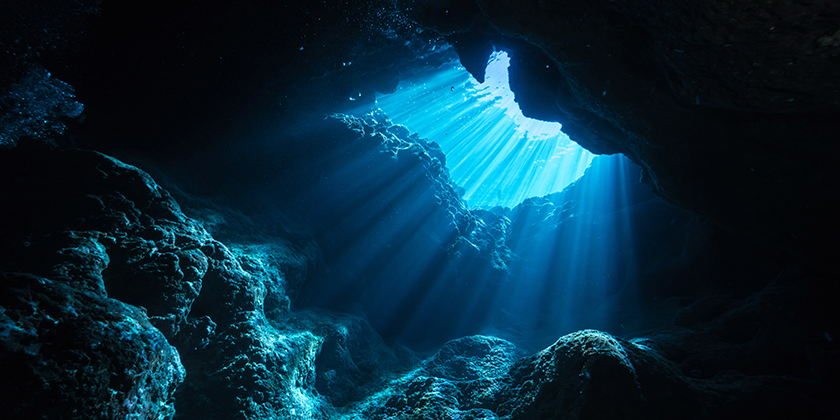
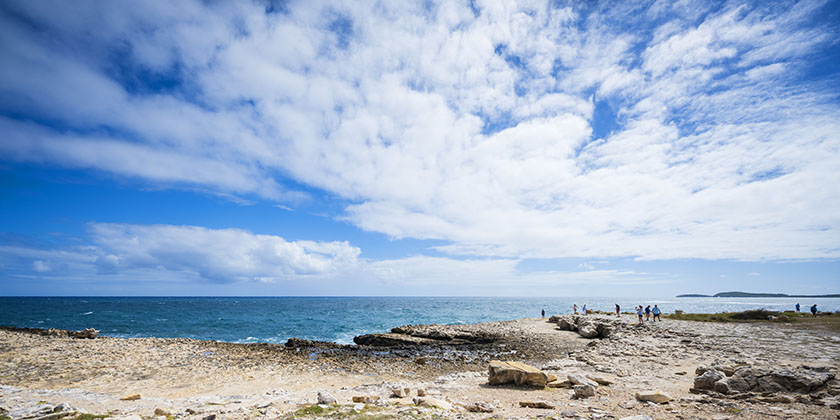
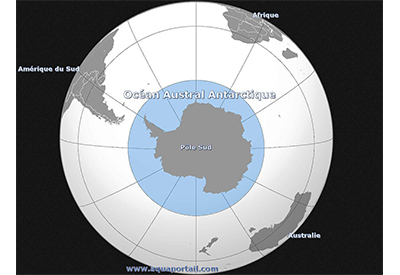
L’océan Austral a officiellement été reconnu et cartographié par la National Geographic Society le 8 juin, lors de la journée internationale des océans. Il a été délimité autour du 60e parallèle (excluant le passage de Drake et la mer de Scotia).

Bien que ne couvrant pas l’intégralité de la plaque antarctique, il était précédemment appelé océan Antarctique ou océan Glacial antarctique.

La communauté internationale, sous le prisme de l’Organisation hydrographique internationale, n’a par contre toujours pas arrêté de nom officiel pour ce cinquième océan. Pour certain il est nommé océan Antarctique, pour d’autres océan du Sud ou océan Austral…

Voir aussi: Océan Austral — Wikipédia (wikipedia.org)
Related Articles


Bennington 22 MSB

By Andy Adams

If you’ve already had firsthand experience with a pontoon, you will easily understand the appeal of the Bennington 22 MSB. But if you haven’t, let’s start by reviewing a few of the reasons why pontoon boats have become top sellers in markets across North America.

Pontoon boats began in the early 1950s as basically four steel drums lashed to a frame. They were not unlike the log rafts of ancient cultures and not much more sophisticated at first.

Read More


Destinations

The Best of Two Worlds

By Mathew Channer

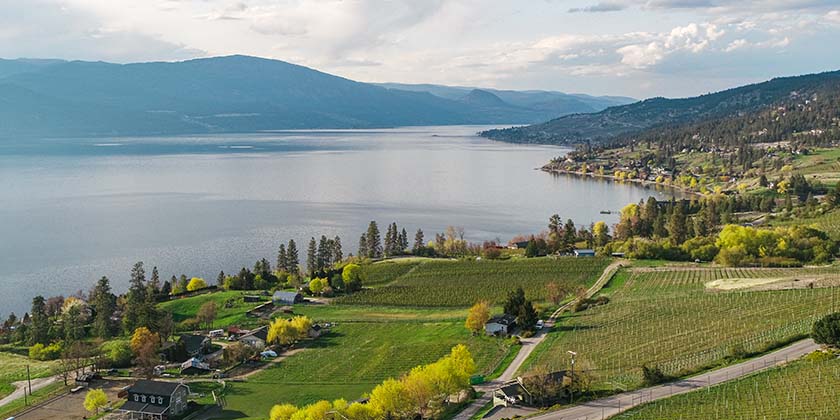
Interior British Columbia might not be as famous for recreational boating as Canada’s Great Lakes, yet it is no less a world-class boat­ing destination. The mountains offer their own flavour of marine adventure with their series of long, deep ribbon lakes, and there is perhaps no area that embodies this more uniquely than the iconic Okanagan basin in southern B.C. One could be forgiven for assuming this valley was purpose-built for nautical fun, with a few delightful perks thrown in to make the area entirely irresistible (wine-tasting, anyone?).

Read More