


We Asked Parks Canada – Can Boaters Run Generators In The Park
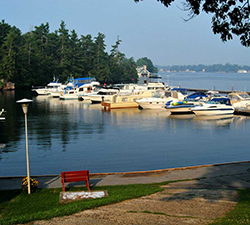
Canadian Yachting has learned that there might be restrictions on generator use in the Thousand Islands National Park or other parks. So, we contacted Parks Canada and this is the official response to our question regarding the use of generators at Thousand Islands National Park:
Thousand Islands National Park is a unique and authentic oasis of natural wonder in the heart of the Thousand Islands region. Parks Canada is committed to protecting and presenting this important treasured place for visitor enjoyment today and for future generations.
Generators are currently permitted at many locations within the park. For the past number of years, Thousand Islands National Park has communicated with visitors about adjusting how the park meets the expectations of the Parks Canada Agency zoning classification system – specifically with respect to generator use. This zoning classification system provides a national and standardized approach by which land and water areas are measured according to ecosystem and cultural resource protection requirements, as well as their capability and suitability to provide opportunities for visitor experiences.
Starting in January 2015, Thousand Islands National Park will be implementing a service model that reflects Parks Canada Agency Zone II and Zone III classifications. A change in the locations where generators can be used is required to achieve this result.
This change will mean that generators will continue to be a visitor option for boaters who stay at Zone III classified locations within the park, but generator use will no longer be permitted in Zone II classified areas. Zone II is a ‘wilderness’ designation. Zone III is ‘natural environment’ with controlled motorized access.
Over 1700 feet of dock length (approximately 36% of total dock space in the park) will continue to be generator friendly. The locations where generators will be permitted from 2015 onwards are: Beau Rivage, Central Grenadier, Hill, and McDonald islands as well as at Mallorytown Landing.
Over the past number of years, the park has seen an increase in the number of Green (Solar) Boaters, Canoers / Kayakers, and campers. The changes that the park will be implementing from 2015 onwards will help balance the varied demands and expectations of our visitor demographics.
More information on Parks Canada Zones is available on the Parks Canada website at: http://www.pc.gc.ca/docs/pc/poli/princip/sec2/part2a/part2a4.aspx.
Information about coming changes has been provided on the Thousand Islands National Park website for some years now, and this information will be updated in the coming weeks. The facilities and services chart has a list of where generators are currently permitted. http://www.pc.gc.ca/eng/pn-np/on/lawren/visit/visit4/services.aspx