


Skipper’s Responsibilities Before Setting Out
June 28, 2018
The skipper is responsible not only for the safety of the boat and those on board, but also for their behaviour. These responsibilities include legal requirements, appropriate environmental action, prudent steps for the skipper to take and acts of common courtesy. The skipper must ensure that all rules and regulations are observed. The skipper’s boating mate should also know the rules and regulations for boating safety.
“The Criminal Code of Canada states that it is an indictable offence to endanger the life of anyone by operating an unseaworthy vessel that is registered or licensed. Before leaving the dock, the skipper should ensure the boat is seaworthy to avoid situations which could lead to an emergency. Safety equipment, both mandatory and optional, should be checked to ensure everything is in good condition and readily accessible. The bilge should be checked for water; and fuel, oil and fresh water levels should be checked. A radio check should be done, and charts covering the waters of the intended cruise should be laid out. The navigation route should be planned. This is the first phase of navigation.
The charts should be studied in order to plan a safe route. It is very important not to forget to check the weather forecast.
The skipper should have the experience and skill for the trip that is planned. Before leaving the dock, the following checklist should be used:
• Ensure that navigation equipment, charts and publications are serviceable and up-to-date.
• Make sure you have your PCOC.
• Check for gas fumes.
• Make sure there is adequate fuel on board.
• Make sure the electrical system is operational.
• On a PWC and some boats, check that the automatic stop switch lanyard is attached.
• Check that the required safety equipment is stowed in an accessible location.
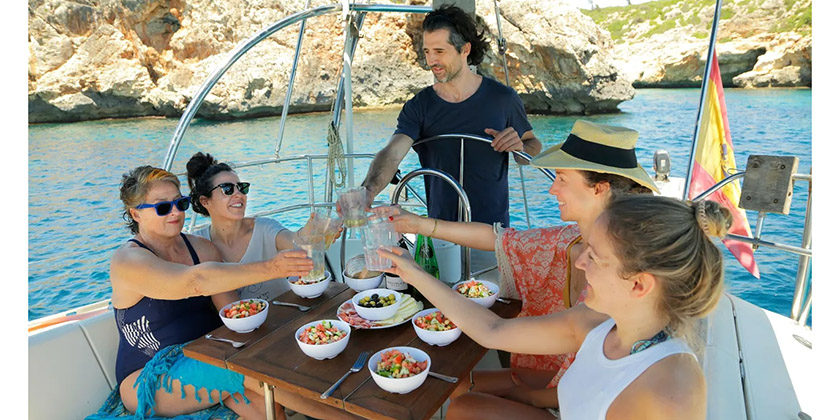
Items for crew comfort should also be checked, such as cold drinks, food, sunscreen, blankets, etc. Some boaters even carry extra hats.
Both vessel and crew should be checked with the intended use in mind. A voyage offshore requires different equipment and talents from one that will make a 10-minute trip around the bay.