

Just Ask John: Proposed Changes to the Small Vessel Regulations regarding the Pleasure Craft License.
I get questions about the Pleasure Craft License, what is it and what do I have to do about a Pleasure Craft License for my vessel.
June 7, 2023
I get questions about the Pleasure Craft License, what is it and what do I have to do about a Pleasure Craft License for my vessel.
Lets start with what the Pleasure Craft License is not. It is not the Pleasure Craft Operator’s Certificate (PCOC) that operators of any powered vessel are required to have. The PCOC does not require renewal. It is the license for a powered vessel that has any form of power over7.5 kw (10 hp) or over.
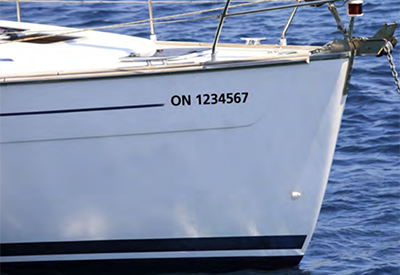
A pleasure craft license is a document issued by Transport Canada which contains a unique license number used to identify a vessel. This number allows authorities and search and rescue personnel to access important information in an emergency. It also supports efforts to maintain accountability and compliance with safety and environmental regulations.
Here are the regulatory changes that are being proposed:
The proposed amendments to the Small Vessel Regulations would enhance the quality of data collected in the Pleasure Craft Electronic Licensing System by:
• establishing a 5-year validity period for all pleasure craft licenses including those with lifetime licenses
• reducing the timeframe for license holders to provide a change of information (i.e. name or address) from 90 days to 30 days
• requiring the new owner of a pleasure craft to apply to transfer a pleasure craft license upon purchasing the pleasure craft
• expanding the Pleasure Craft Licensing requirements to include wind-powered pleasure craft above 6 metres in length. These updated requirements would not apply to human-powered pleasure craft, such as kayaks, canoes, and dragon boats
• providing the Minister of Transport with the ability to cancel a pleasure craft licence for non-compliance or upon a licence holder’s request
The proposed changes would also include:
• introducing a $24 fee for an initial (new), renewal, transfer, or a replacement pleasure craft license. The proposed fee is different from earlier consultations to reflect the increasing delivery costs of providing the service
• adjusting the $24 fee to keep pace with inflation
• formalizing the current practice for Manufacturer Identification Code (MIC) holders to update their contact information within 30 days of the change.
HOW TO PROVIDE COMMENTS:
You can provide your comments using the online commenting feature on the Canada Gazette website. For more information on this new feature, please visit the Canada Gazette information page “How to Comment on Proposed Regulations.” You have until July 12, 2023 to provide comments.