


Hitchhikers
Dec 8, 2022
Hitchhikers. You can pick them up whether you want to or not. I’m talking about plants and critters that travel unintended from lake to lake, from sea to sea, from shore to shore and from land to land. These non-native species are often more robust than our local species in their natural domains.
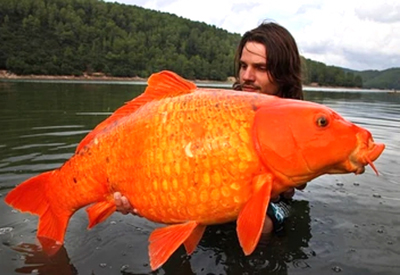
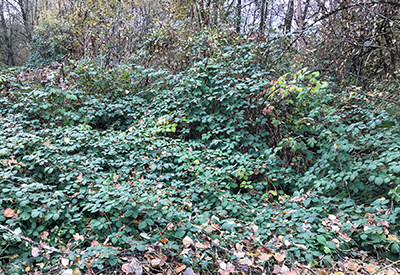
If an invader takes over, everything changes. Instead of catching big lake trout you’re catching goldfish the size of king salmon. Instead of hiking ashore to pick blueberries you’re tangled in a wall of Himalayan blackberry canes or Scotch broom. Your beautiful swimming lake is choked in duckweed and purple loosestrife. You and your dog get covered in burrs. These are the outcomes that we do not like one little bit.
So how do these hitchhikers get around? Almost always it starts with humans and what we are doing going from one place to another. For things like quagga and zebra mussels it was big ships from far away bringing them here. But we can spread them further with our boats and trailers. See how the Great Lakes and St. Lawrence are taking a beating here.
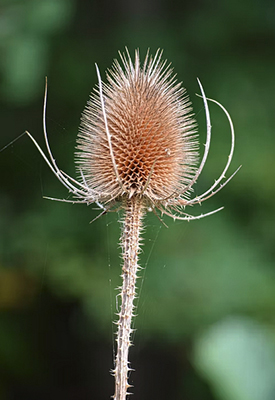 Let’s refocus ourselves on being aware of our role and create new habits and checklists to make sure we’re not part of the problem. It’s fairly simple: clean the heck out of everything that is going from A to B. Every little thing — including even your footwear and maybe pant legs that could have burrs or seeds stuck to them. Even at the fungus level, things can go sideways so a thorough boot or shoe wash of the soles is well worth the effort. Click here to get started.
For many other unwanted things it’s our gear, our dogs and our footwear that do the deed. It’s not just water to water but from land to land where we go boating. More resources here.
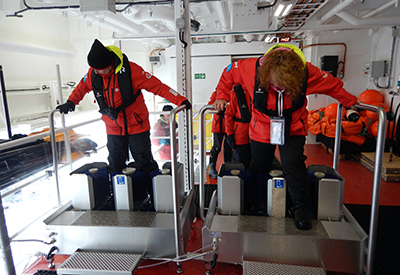 It is also possible to trash an environment by abusing it with too many feet trampling delicate plants or scouring plants off the sea bottom by dragging too many anchors in anchorages. Sometimes just being in a pristine environment can present you with other considerations like leaving everything there in place, untouched and unmoved because any disturbance at all will not be helpful. Cultural remains, for example, should not be ‘hitchhiking’ from where they rest. People who cruise in the far north (or south), whether in their own craft or on expedition ships, must take great care while exploring. To help identify all those considerations, the Association of Arctic Expedition Cruise Operators has developed a long list of guidelines that are well worth the read if you are planning on heading towards the north or south poles.
Boating should be a fun, safe and beautiful experience. It takes a little work to make it so.
Bill Marshall AP,
CPS-ECP National Environment Committee