

Carbon Monoxide Poisoning
Sept 26, 2019
Boating Basics Extract (Ch.4)
Carbon monoxide (CO) can come from anything that burns a carbon-based fuel (gasoline, propane, charcoal, oil, etc.). It can be created by engines, gas generators, cooking ranges, heaters, etc. CO acts a lot like air. It doesn’t rise or fall, but spreads evenly throughout an enclosed space and is very toxic. It can cause headache, dizziness, nausea, redness to the face and fatigue. These symptoms are similar to those of seasickness or the flu. Eventually, CO leads to loss of consciousness and eventually, death. Since carbon monoxide is colourless, odourless and is approximately the same weight as air, the best prevention is to ensure that the boat is well ventilated.
Every year, people on or around boats are overcome by the effects of carbon monoxide, because CO
gets into your lungs and prevents your body from obtaining oxygen.
Boaters need to take steps to prevent carbon monoxide problems:
• Heat the cabin or cook only when in a well-ventilated area.
• Have regular, professional boat inspections
• Install and maintain marine-grade CO detectors in living spaces before every trip. Remember
the batteries.
• Check regularly for exhaust leaks from CO sources: engines, generators, propane appliances
• Be aware of boat design areas where fumes may gather
• Warn swimmers to stay away from stern while generators and engines are in operation.
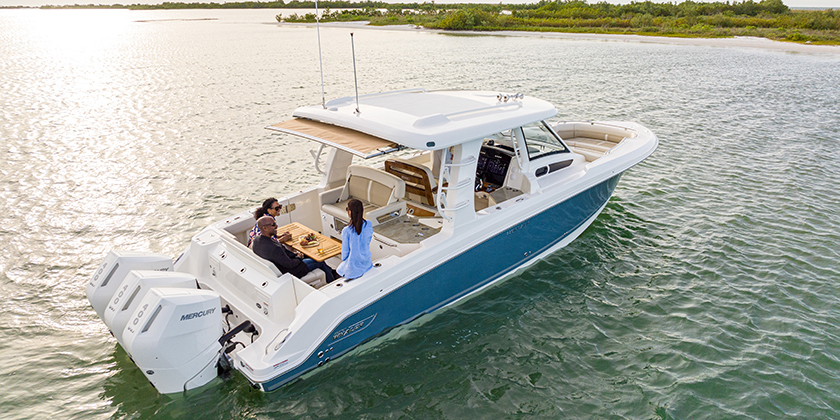
• Warn swimmers to stay away from the high-risk areas – under swim platforms and between
the pontoons of houseboats.
• Don’t “teak surf” – hanging off the back of the swim platform when the engine is on and the
boat is in motion
If carbon monoxide poisoning is suspected, remove yourself (or the victim) away from the area where
the gas may be present and seek medical assistance.
Note: Carbon monoxide can build up when:
• two vessels are rafted to each other
• docked alongside a seawall
• bow rides high
• a fuel-burning appliance or engine is running while the vessel is not moving
Take this course with CPS-ECP this fall and get ready for the next boating season. Take it online at www.cps-ecp.ca/pcoc