

Does Canada Have Mandatory PFD or Lifejacket Wear?
July 9, 2026
Question – Is it mandatory that people wear their Personal Flotation Devices (PFDs) or lifejackets while on board their vessels and underway?
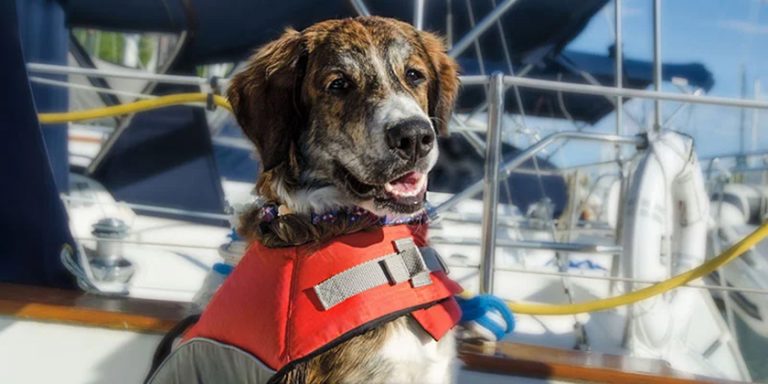
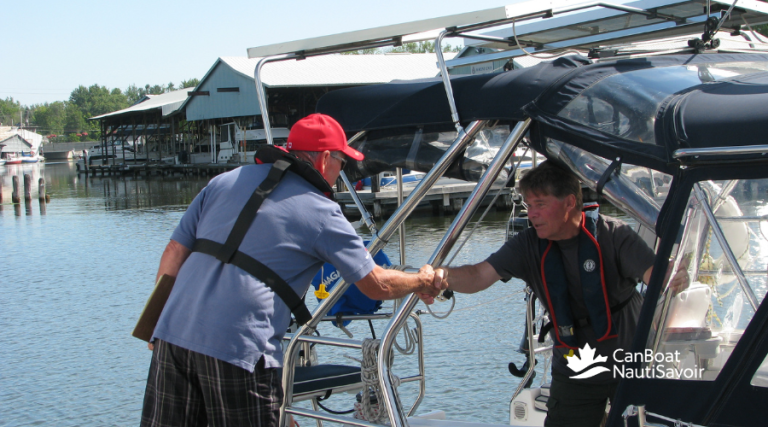
This is a question that I am asked regularly and to date the answer has been NO, excepting those who use inflatable lifejackets. Inflatables must be worn when on board and underway. However, inherently buoyant lifejackets need only be kept close at hand. There must be an approved lifejacket on board for every person, it must be of an appropriate size, and you need to be able to reach it, not have it stored in a locker somewhere.
In the past Transport Canada had tabled a petition to the Minister and the House of Commons that the small Vessel Regulations be amended to make it mandatory that all children under the age of 14 be required to wear a Personal Flotation Devise (PFD) or lifejacket in small vessels covered under the regulations.
There are many who believe that PFD or lifejacket wear should be mandatory for all, not just children under the age of 14, and the statistics clearly support that belief. About 85% of those involved in fatal recreational boating related deaths were not wearing PFDs or lifejackets and, in many cases, these were not even present on the vessel.
FYI, in Canada there is a difference between a PFD and a lifejacket. Lifejackets must be red, yellow or orange in colour, have fluorescent strips and a whistle attached and have a specified level of flotation depending on the size of the wearer. They should be able to turn a person face up if they are unconscious in the water. PFDs on the other hand can be of any colour, can be inherently buoyant or inflatable and have a certain level of floatation which is specified but less than a lifejacket. Inflatable PFDs cannot be used by people under the age of 16 and those involved in white water paddle sports.
Should this request for a regulatory change regarding the required wear of PFDs or lifejackets come into effect, I believe that it will be a step in the right direction to significantly improve recreational boating safety.
By John Gullick, currently CanBoat’s Manager of Government and Special Programs and has been an active recreational marine specialist and writer for over 50 years.
Sign up for the CanBoat newsletter https://www.canboat.ca/contact/canboat-newsletter-subscription/ and visit www.CanBoat.ca to learn more about us.
This article is free for use to promote boating and water safety. Credit must be provided to CanBoat / NautiSavoir and author John Gullick.