


How to Approach Survey Results
Aug 14, 2025
By Don Finkle
Surveys on pre-owned boats tend to produce more findings than previously for two reasons: boats are getting older, and surveyors are more concerned than ever about liability for missing something. The results tend to put almost every boat in somewhat of a negative light. Keep this in mind when used boat shopping, there is no such thing as a perfectly clean survey!
We read many condition and valuation surveys, as you might imagine. The quality of the reports varies widely and some interpretation is almost always needed. The other day I read a very thorough survey that just happened to be one of the best I have ever seen. The report was highly detailed; it covered every aspect of the vessel and pointed out the condition of each item. These points are to be expected, but what really sets this report apart from most is the way the surveyor characterized the state of each item on the list. The boat is almost 40 years old, and the findings of each item were noted relative to what is to be expected of a boat of this age. Of course, there are things that need attention, but they were put in proper perspective, and the history of good maintenance was noted.
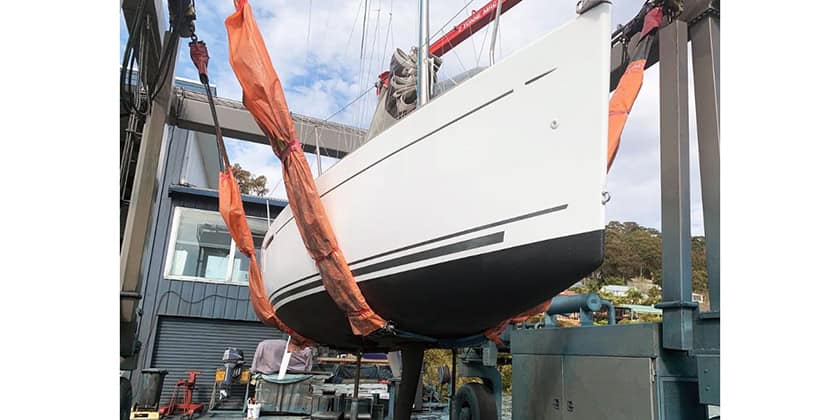
The point is not whether a finding is there or not, but whether it is serious, easily remedied, or simply noted without needing attention at this time. Too often a survey report lists findings as if they were being compared to a new boat, which is totally unrealistic.
Surveys are necessary but not cheap. Don’t waste time and money on a survey unless you are going to be realistic about what to expect. The older and/or less expensive the vessel, the more the survey will find wrong. This is to be expected, and if you want a lower price you need to accept what goes along with it.
Boats do not need to be perfect to be a good choice, they simply need to be sound and appropriately priced for age and condition. Remember, this boat that the surveyor finds issues with has been regularly used and enjoyed by the current owners as it is. There are certainly boats you should run and hide from, but more often we see people scared away from a boat that would suit their needs very well.
We are experienced in reviewing survey reports with clients and putting things in proper perspective, the good and the bad.
Don Finkle is CEO and Owner of RCR Yachts and has been with RCR for 50 years, since its inception in 1972.