


All Paws on Deck: The Ultimate Guide to Safe Boating Adventures with Your Pet
September 24, 2026
There’s nothing quite like the sight of your dog’s ears flapping in the breeze as they play “captain” at the bow, or your cat surveying the waves from the helm, convinced they’re the true master of the sea. But remember: The water world can be full of surprises for our furry crew, but a little common sense and planning can make sure the trip ends with wagging tails and contented purrs.
Here’s your guide to smooth sailing with your four-legged first mates — plus, download Chubb’s Pet Boating Safety Master Checklist to ensure every adventure is safe, fun, and worry-free.
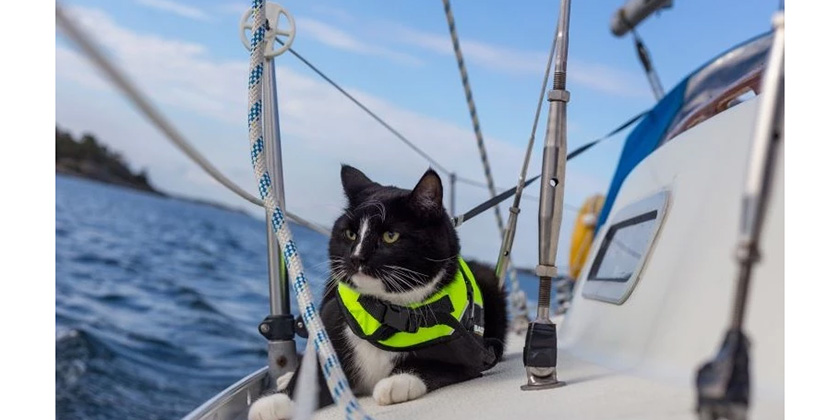
Dogs vs. cats: Who makes the better boat buddy?
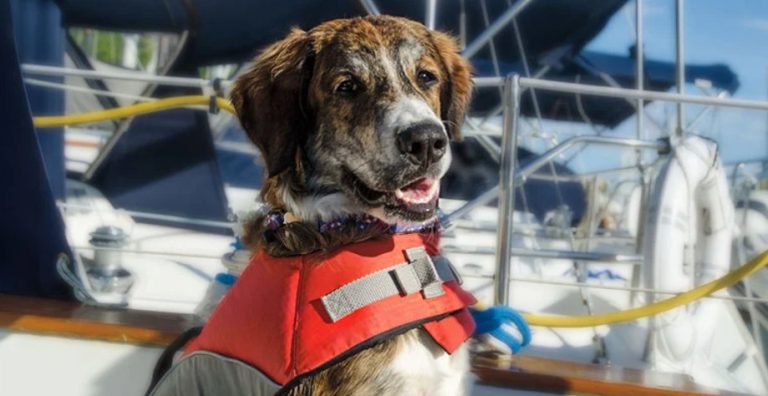
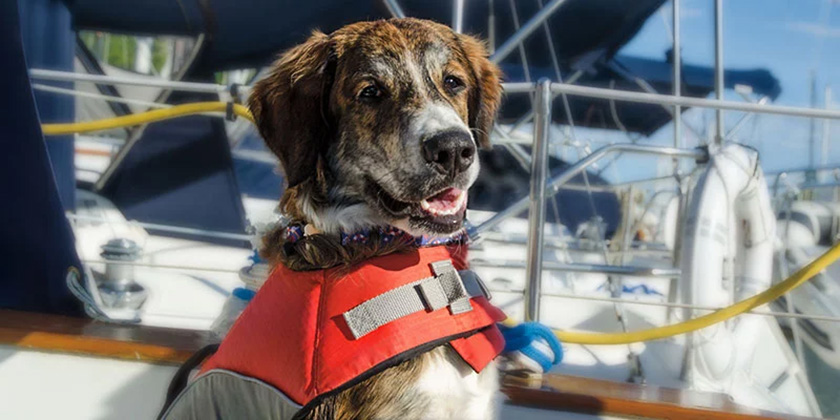
Dogs: Most pups are instant fans of boating… sometimes a little too enthusiastic! That seagull or fish might be irresistible, so basic obedience (sit, stay, come) is a must. In rough water, keep your dog safely tethered in the cockpit with a short lead clipped to their life jacket (never their collar). And don’t forget: Bathroom breaks require planning!
Cats: Cats are the philosophers of the boat—cool, calm, and collected… until a sudden bump or noise sends them scurrying. During active sailing or rough weather, cats are safest below deck. On calm waters, a harness and leash (never just a collar) make for safe, supervised deck adventures. And always check those portlights—an open window is an open invitation for feline explorers.
Before you cast off: Tips for getting your pet ready for boating
- Vet check: Visit your vet before your first voyage. Make sure your pets’ vaccines are up to date (ask about leptospirosis for dogs in marinas), flea/tick prevention is packed, and you have a plan for motion sickness.
- Know your pet: Not every dog is a natural “sea dog.” Bulldogs, Pugs, and Frenchies aren’t built for swimming, so take only short trips with these snub-nosed sweethearts. Domestic cats often avoid water, but breeds like the Turkish Van (sometimes called the “swimming cat”), Bengal, Maine Coon, Savannah, and Japanese Bobtail are more inclined to enjoy water activities.
- Patience: Many dogs and cats love life on the water, but it often takes time. Don’t rush them; let them adjust to the boat and their surroundings at their pace.
Acclimating your pet before departure
The biggest mistake? Rushing an unprepared or uninitiated pet onto a moving boat and expecting instant happiness. Comfort on the water may take several outings, especially for cats. Patience pays off in years of smooth sailing!
Start slow:
- Let your pet explore the boat before leaving the dock.
- Reward successes and good behavior with treats.
- Take short calm-water trips before venturing farther.