


Ask Andrew: Winter Trauma – Your Boat Needs to Recover
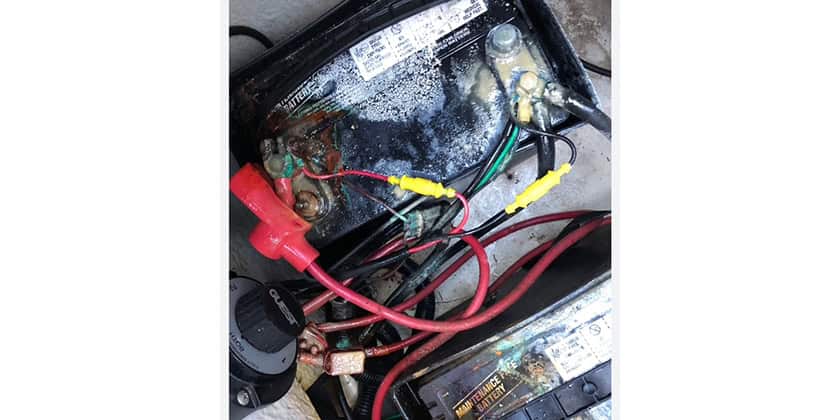
Yikes – remove any corrosion in electrical connections
May 22, 2025
For those who have recently uncovered, cleaned off and launched their boats for the season, it can be hard to get past the excitement of being back on the water. But pause to consider the traumatic experience that your boat has recently been through.
Consider what happened to store your vessel for winter
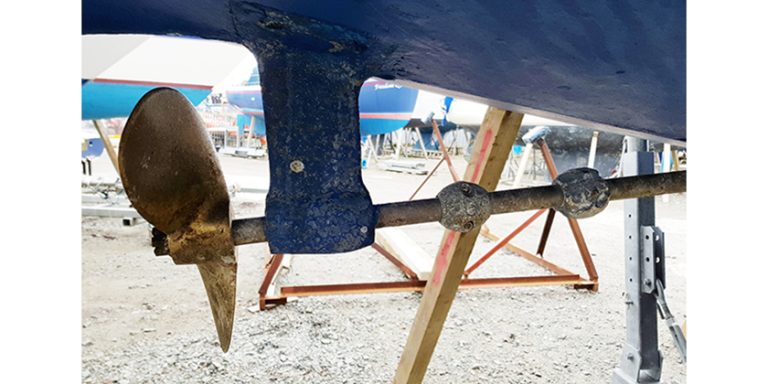
After a summer of fun, it was practically neglected for the last few weeks of fall. Then a flurry of activity dragged it from the water and left it abandoned in a parking lot for six months. After freezing on land in a steel cradle for the winter, it was then lifted by a pair of straps and flung back into the water again.
In the process, your boat has undergone massive temperature swings. It has moved from the water – where buoyancy puts pressure across the entire hull, to a cradle – where the keel and pads exert pressure on the hull. While moving, the hull, bulkheads, joints and deck have flexed and shifted. Wood, fiberglass and metal have flexed at different rates. The joints, portholes, hatches, and companionways have shifted ever so slightly.
In a perfect world, this shifting, flexing, stretching and pressure will settle back to the way it was. In our world: caulking will stress, flex and fail a bit each time this process is done.
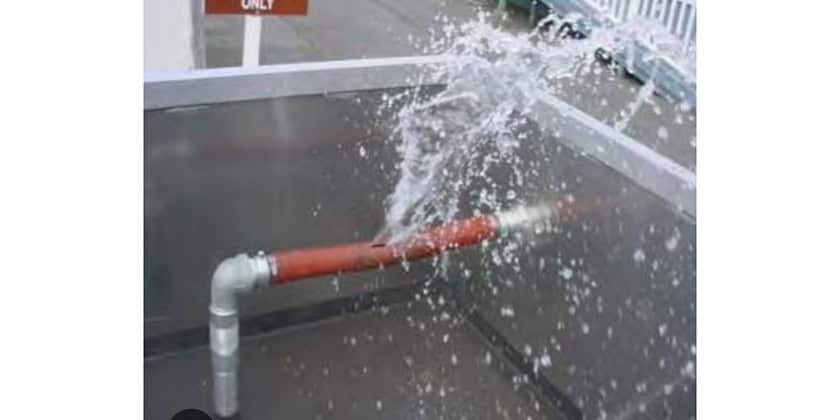
Water was flushed and replaced with antifreeze. This antifreeze endured sub-zero temperatures and turned to slush. Fuel was left sitting; sediment settled to the bottom of the tank. Water molecules bonded to ethanol and separated from gasoline. Bio-organisms were left to grow and multiply and become fruitful inside dark diesel tanks. Brass plugs that were tightly fitted to iron engine blocks were broken free and re-installed. Hoses were wrenched from their barbed connections then were stretched and re-clamped (often in the cold). HVAC systems were similarly disrupted, as were potable water (water pump, taps, lines, water heater, etc).
To add insult to injury: The deck and cabin was warm, toasty and humid when the sun was beating on the cover. Condensation built up on the inside plastic shrink wrap or canvas. As the sun went down the condensation would drip onto the deck and settle. Overnight it would freeze and expand. The next day, the sun would warm the deck and allow the water droplets to move and accumulate and re-freeze again.
Finally: condensation, humidity, moisture and the nature of how we use our boats has combined to create a perfect melting pot of corrosion and condensation in systems and wiring.
A lot may have changed on your boat between last year and this year. To test and see what’s happened – you need a shakedown cruise.
What to test, what to watch out for, when to call for help
A shakedown cruise could have many different phases. I recommend a large portion of testing is done before leaving dock, making the ‘cruising’ that much more enjoyable:
First – Test for leaks. This encompasses a few parts:
– leaks on deck, around portholes, hatches, windows, companionways and deck hardware. Mark and seal (with a quality caulking/sealant) any areas that are leaking. Catching this early will make your season that much more comfortable. I recommend spraying the deck surface with a hose to get everything nice and wet and then checking the cabin interior for any leakage
- leaks in hoses: fill your freshwater tank and pressurize the system. Test for water flow at each tap inside the boat. Monitor the freshwater pump to hear it cycling on and off as pressure is built up. Modern water pumps are designed to only operate when there is a drop in pressure (ie there is a leak somewhere, or the taps are being opened and closed). If the water pump cycles on and off, try to determine where the leak is located.
- Leaks in engine seals and hoses: Seals dry out and are affected by changes in temperature. Engine cooling hoses may have been removed as part of the winterization process. Make sure that cooling water and engine fluids stay inside the engine.
Confirm that your systems are functional
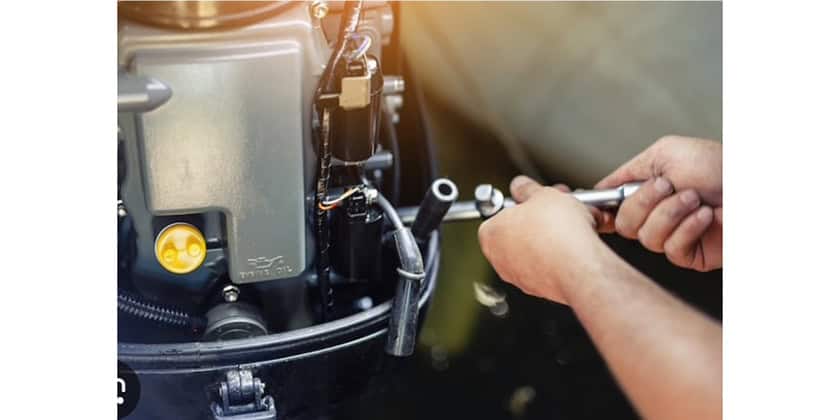
– Your engine. Before starting, check all fluids, and be especially mindful of fuel and fuel filters. If any/all fuel filters weren’t changed in the fall, its a great idea to make sure that you do this now.
- Your water system – potable water pump and any/all bilge pumps. For automatic bilges, make sure the float works correctly and that the pump area is clear of any dirt or debris
- Your electronics – make sure that your VHF radio powers up, sends and receives. Make sure that your horn, chart plotters, wipers, gauges and depth sounders all function
- Your lights: Check gauge lights, cabin lights and navigation lights.
- Your main electrical: check that shore power functions correctly, main breakers function (both AC and DC), and each load powers on, powers off and there are no fuses blowing or breakers tripping.
Finally – time to cruise:
– engine start – ensure that your engine can start and stop as intended and that all gauges and warnings are functional. Check the quality of the exhaust and make sure that cooling water is running appropriately through the engine. Shift into gear to ensure that F-N-R all work correctly.
- Review fenders, lines, running rigging and standing rigging.
- Bring the engine to temperature and continue to test throttle and shifting.
- Ensure that electronics continue to operate as intended.
- Test the steering
- Note any rattles, noises, or vibration
- The shakedown extends to YOU – ensure that you’re comfortable at the helm and that you are comfortable with the process to get off the dock and to return.
Happy Boating!

Andrew McDonald is the owner of Lakeside Marine Services – a boat repair/maintenance firm based in Toronto. Andrew has worked in the marine industry for 12 years and is a graduate of the Georgian College ‘Mechanical Techniques – Marine Engine Mechanic’ program.