


Rudder Re-Design
May 24, 2017
It is nearly impossible and very cost prohibitive to improve the performance of a yacht by changing the existing hull shape. However it is relatively easy and inexpensive to alter the keel, rudder, rig and sails to improve performance. Therefore, as part of our regular consulting services, it is common for our clients to approach us seeking improvements to their appendages.
One of the exceptional aspects of our legacy in the field of yacht design is the performance of our production cruiser/racer designs under various handicapping systems in races around the globe. Yachts like the Beneteau First 40.7, First 36.7, First 10R, First 40, First 35 and Farr 395 have long track records of achievement in sailing’s most prestigious races. However, because these yachts are very much production-oriented, the original appendage designs were compromised due to restrictions in the use of higher tech materials and the need to constrain build costs. Therefore, replacing the factory-supplied rudder on these types of production cruiser/racers with a more racing-oriented rudder yields excellent bang-for-the-buck to improve the performance and handling of a production cruiser racer.
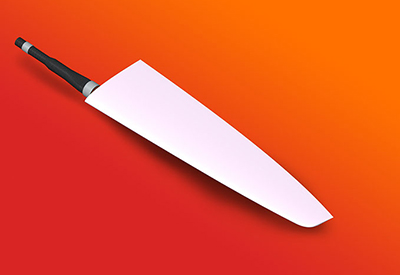
With this in mind, Farr Yacht Design has created new and improved rudder designs for the Farr 395, Beneteau First 10R and Beneteau First 40.7. These new designs feature carbon fiber rudder posts, higher aspect ratio rudder blades, and the latest in foil technology. These modifications result in reduced weight and lower drag while, at the same time, increasing the stiffness, strength and safety factor. We view the rudder as a critical safety feature of any yacht, so each new rudder is designed to exceed the minimum scantling requirements required by the ISO 12215 Rule.
Our typical design process starts with a review of the handling capabilities of the existing rudder. We consult with owners and experts who have sailed extensively on these yachts to get their feedback on how the existing rudder performs in a variety of conditions. With that information at hand, and using our advanced VPP tools we make adjustments to the blade area, span, chord length and foil section shape to address any perceived weaknesses and make other improvements. We also review the balance of the rudder blade making sure that the new design gives optimum feel and rim load.
We have collaborated with Competition Composites, Inc. (CCI) to build these replacement rudders. Owners of these yachts now have access to a vastly improved rudder design at an affordable price. All of these rudders are plug-and-play. They can be fitted into existing bearings and attached to the existing steering systems with little or no modifications required. The rudders were designed using our advanced parametric 3D modeling tools and tailored to suit the production methods of CCI.
– Farr Yacht Design