


Boating Season Drives Mussel Warning
Apr 12, 2016
Boaters are heading back on to local lakes and they’re being urged to keep unwelcome invaders from hitching a ride.
Awareness about quagga and zebra mussels is being spread as the boats go back into the water at the Vernon Yacht Club April 16.
“All it would take is one infested boat and our lives in the Okanagan would be transformed forever,” said Lisa Scott, Okanagan and Similkameen Invasive Species Society co-ordinator.
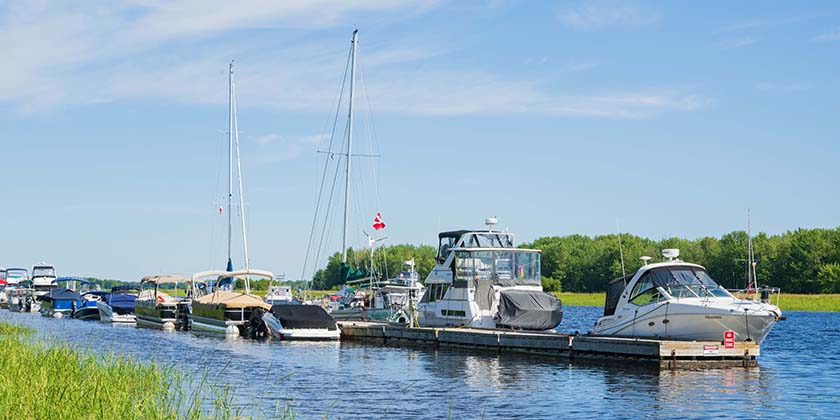
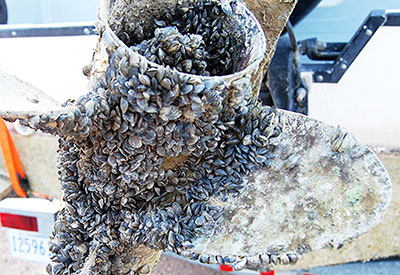
North Okanagan boaters are being asked to help stop the potential arrival of quagga and zebra mussels.
— image credit: Submitted Photo
Both mussels are native to eastern Europe and they have spread across North America since the 1980s.
They clog water intake pipes, pumps and boat motors while depleting food sources for fish. They can produce toxins that kill fish and birds and contaminate drinking water.
Their shells are sharp and can cover beaches.
“I heard of a water skier who climbs up a (dock) ladder. The ladder was coated in shells and the skier cut their feet,” said Scott.
Along Lake Simcoe in Ontario, signs warn people not to walk barefoot.
The Okanagan Basin Water Board has estimated the direct cost and lost revenue if the mussels take hold in the region is $42 million annually.
“All water intakes would have to be retrofitted,” said Scott. “These are costs water users would have to bare.”
Because the mussels have spread across the continent, Scott isn’t sure if they can be stopped from getting to the Okanagan. However, she insists every effort must be taken to try and prevent them.
“You are managing them if they arrive. You can’t eradicate them.”
The provincial government has stations at the Alberta and U.S. borders to inspect boats for mussels, but Scott is also urging boaters to be proactive.
“Everybody’s actions collectively will make a difference,” she said.
“They have a role to play in keeping aquatic invaders out.”
Boats will be lowered into the water during Crane Day April 16 from 8 a.m. until noon at the Vernon Yacht Club. Crane Day is open for public viewing.
Scott and the Okanagan and Similkameen Invasive Species Society will be at the yacht club’s boat show April 30 and May 1 with their new trailer.
“We promote education because it makes economic sense if we can keep something out. It will cost big dollars if the mussels arrive,” she said.
The Okanagan Basin Water Board is also continuing with its Don’t Move A Mussel campaign.
“We all have a responsibility to become educated and spread the message,” said Doug Findlater, OBWB chairperson.
“If you have neighbours who boat, kayak, paddle board or fish, talk with them.”
Article courtesy of Richard Rolke of The Vernon Morning Star