


Water Repellent Superyachts Becoming a Reality
The University of Rochester, NY, has used lasers to permanently transform metals into water repellent or super-hydrophobic materials, a potentially revolutionary development for the superyacht industry.
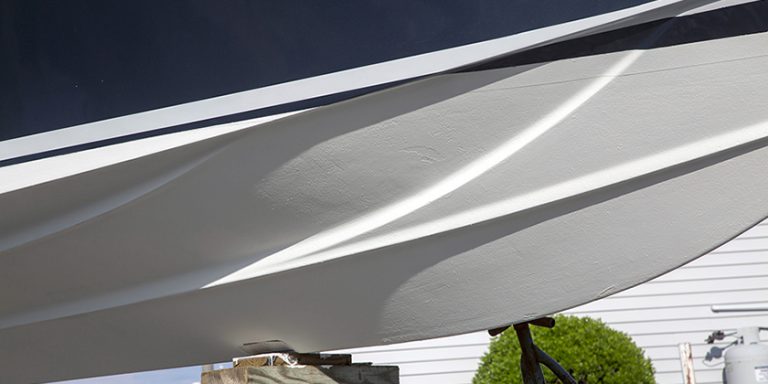
Most superyachts are constructed from metal, including steel, aluminium or a composite, The University of Rochester has enabled the transformation of metals into super-hydrophobic materials, which could pave the way for waterproof, rust-free superyachts in the future.
When moisture interacts with metal it triggers the formation of rust and corrosion, whereas super-hydrophobic materials would prevent water, dirt and oil from adhering to the surface, making the surface anti-corrosive and anti-icing. Along with the cleaning properties it would also reduce the drag of a superyacht through water, resulting in considerably lower fuel consumption and cost.
The team of Chunlei Guo and Anatoliy Vorobyev from The University of Rochester use laser pulses that blast the surface for a quadrillionth of a second. They commented, “It transforms a smooth metal surface into a highly structured one, covered with a range of micro- and nano-scale structures and it’s those structures that have the different water-repellent properties.”
This method of turning metals hydrophobic is considered superior to chemical coatings for a number of reasons. First of all, these laser-generated metals repel water much better than any type of coating available. Angles of 5° are sufficient for getting water to slide off whereas chemical coatings generally need around 70°.
{videobox}FLegmQ8_dHg{/videobox}
Secondly the laser light fundamentally alters the metal structure making it water resistant permanently. It is this permanent status that makes the new metal technology.
The team at the university are keen to stress that this technique can give rise to a huge number of multifunctional uses. They continued, “The material is so strongly water-repellent, the water actually gets bounced off. Then it lands on the surface again, gets bounced off again, and then it will just roll off from the surface.”
However there is still some time to go before the world sees a superyacht gliding through water made of this unique metal. To make a square inch of hydrophobic metal, it takes an hour of laser blasting, which means mass-production is impractical.
Michael Henson from Yachting Pages Media Group, a specialist in providing products and services to the superyacht industry explained, “After contacting several leading superyacht shipyards throughout Europe, it was apparent that the technology is too advanced for their R&D teams at present. Nevertheless the shipyards agreed that this technology could have a major impact on the way superyachts are built, it could be a realistic option in the future and is something they will begin monitoring.”