


Wireless Wind Instrument from NASA Marine
Mar 22, 2016
VMG Marine, Canadian distributor for NASA Marine Instruments UK, is pleased to announce a new product to the Clipper line of wind instruments from Nasa Marine.
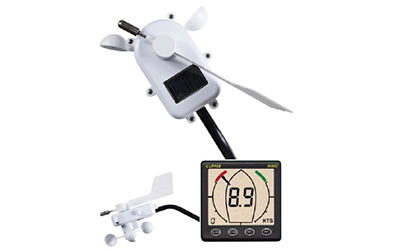
The NEW Clipper Wireless Wind Instrument gives you wind speed and direction. The mast head transmitter operates with an internal battery and a solar panel, which means it is completely wireless. The base unit run’s off of your vessel’s volt (12) supply and receives the wind speed and direction from the mast head transmitter (wirelessly). The data is then sent to the Clipper Wind display or any compatible NMEA display unit. Effortless design that can be useful to any sailor, especially with its 2,000 hours operating ability (when fully charged).
The unit features easy installation that can be done with the mast in place – no wires to run down. A quick install for users to get them set up and ready for sailing faster.
Technical Specs:
• Sleep time > 15,000 Hours
• Operating time > 2,000 Hours
• Charging Time < 150 Hours of Bright Daylight
• Fully charged with no further daylight