



Timely alternate approaches to antifouling
By John Morris
As you’ve seen in the news, this spring antifouling paints are the focus of regulation and concern. You may be looking for some alternatives to the traditional bottom coats you have been using to keep your boat’s underwater surfaces clean. Well, look no further (no, I mean it – close this page now!)
Haggis
Traditionally, Scots, who are consummate meat-eaters, have shown distaste for vegetables. As if to return the disdain, biological marine growth, the principal source of boat fouling, hates the Scots. The expedient way to repel seaweed growth is to fly a large swath of tartan on your boat (we suggest Dress Stewart or McLeod). Even better, have the captain and crew wear a kilt, rather than shorts this summer. The microorganisms that create the scum that slows you down will run and hide.
The Rotisserie Method
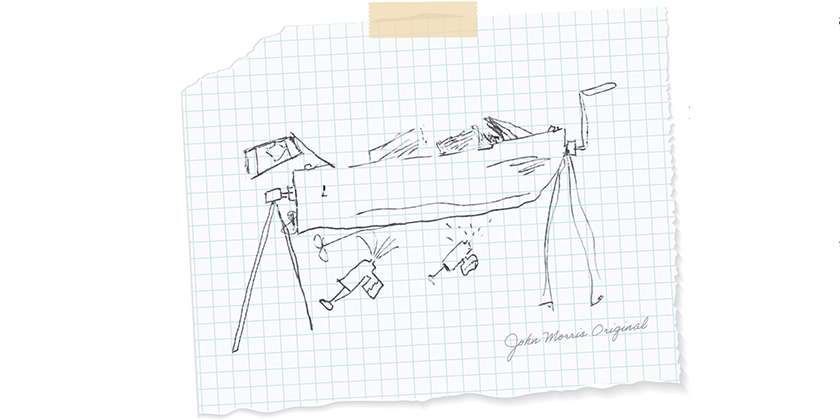
With some products now regulated out of our chandleries, choosing a bottom paint might be a conundrum this year, but preparing your boat’s underside needn’t be. Using this simple set-up, you can take the labour out of the task making boat prep as simple as barbecuing a brisket. By welding together a sturdy tripod frame of A36 angle iron and adapting a pair of driveshaft bearings from your van, the boat can be balanced on the pivots and rotated by a crew member.
First, set up an angle grinder with the required abrasives then give the boat a twirl. Easy-peasy. Repeat the process with an ordinary Swiffer mop in a place saturated with bottom paint and the process becomes a breeze. Ready to launch in just an hour. Then it’s time for that brisket on a nice crusty bun.
Bananas
The idea of antifouling surfaces is obvious – provide a surface that the seaweed (see Haggis above) and especially barnacles and zebra mussels cannot adhere to. You’ve seen it in Road Runner cartoons, and everyone knows nothing slips like a banana peel. Simply peel 200 bananas and staple the peels to the underside of the boat. The tiny holes in the gelcoat will likely cause some minor osmosis blistering but face it, it’s time for a new boat anyway. (Catherine’s delicious 200 banana bread recipe is online.)
Foiling
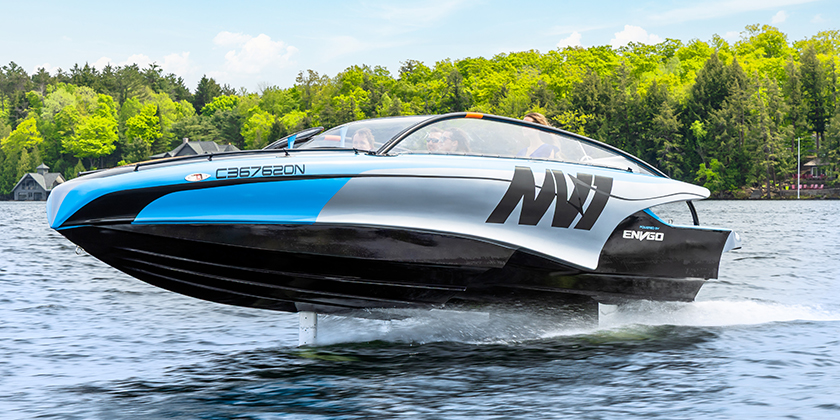
You have certainly seen the proliferation of foiling boats. This high-speed technology was initially developed by British Channel ferries accommodating the many Londoners eager to go to France for a lunch of crepes and fromage. Now adapted into an ever-growing range of power and sailboats, the speed of the boats is too fast for even the quickest zebra mussel’s backstroke and they remain clean.
While retrofitting foils to your boat may not be practical, a layer of aluminum foil can have the same properties. In fact, tinfoil hats on everyone aboard can eliminate the concerns about algae growth while also protecting you from space aliens tapping your brainwaves. Another multifunctional solution.
Nickelback
Perhaps the simplest solution of all is a powerful stereo system and great speakers. Just crank up How You Remind Me on repeat and by the seventh or eighth play, nothing will want to be on your boat including your guests.