

5 Key Factors in Ensuring a Safe Rescue
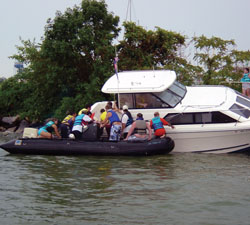
This past May, Coast Guard surface and air crews conducted an all-night search of the Great Peconic Bay area of Long Island, NY, for a possible missing kite surfer after gear was found floating in the water. The search was suspended after news reports prompted the owner to call to say he was safe. Coast Guard patrols often encounter abandoned and adrift boats and gear. If there is even a small chance a person is in the water, the Coast Guard undertakes search and rescue efforts. If you should find yourself in trouble, here are five actions you can take to increase the chances Search and Rescue will get to you in time.
1. Wear a Lifejacket
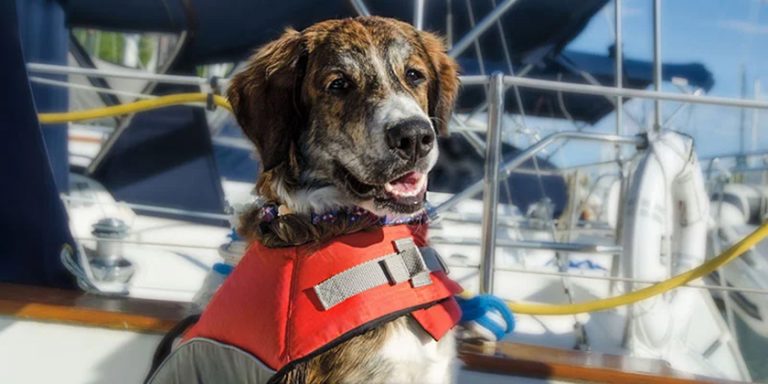
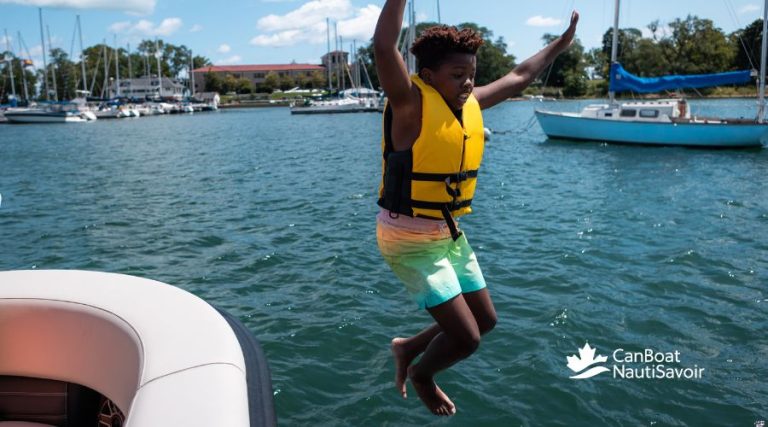
A Coast Guard-approved lifejacket is the single most important factor in surviving a boating accident, and this applies to any water sport, from kayaking to sailing. Wear it, don’t stow it.
2. File a Float Plan
Make a habit of always filling out this form and leaving it with a friend, relative, or someone at the marina to let others know your boat, the people on board, where you are headed and when you plan to return. In the event you don’t return, rescuers will have a better idea of where to look.
3. Label Your Gear
Write an address and phone number with indelible ink on paddles, sails, canoe and kayak hulls. If these are found adrift, Coast Guard officers can call to see if the items were simply lost or if someone is actually in trouble.
4. Bring Safety Equipment
Flares, a sound-producing device, a signaling mirror, and cell phone can all help you summon help if you find yourself in trouble. Check the local navigation rules to make sure you have the required safety equipment on board. If boating offshore in the ocean, carry a marine band VHF-FM radio and an Electronic Position-Indicating Radio Beacon (EPIRB). It’s a big ocean. Make sure rescuers can find you.
5. Know What You’re Doing
Don’t put your new vessel on the water until you’ve learned how to properly operate it and to avoid dangerous situations. Many boating organizations offer low cost/no cost boating courses. These courses are readily available online, on CD-ROM, and in the classroom, and can bring you up to speed quickly on emergency procedures and required safety equipment.