

Cruising: Creating Ontario’s largest protected area complex south of the Canadian Shield on Manitoulin
Feb 11, 2021
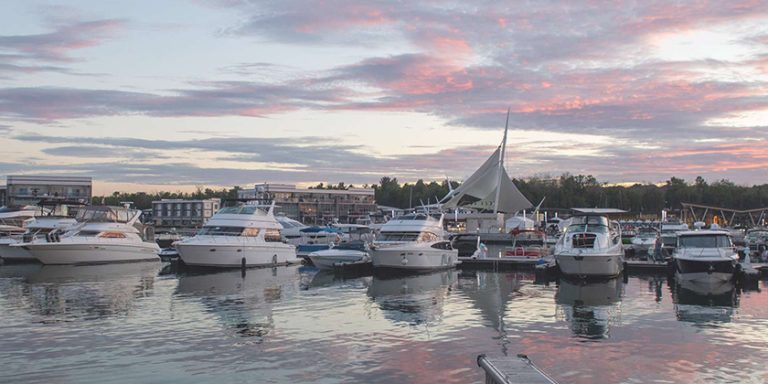
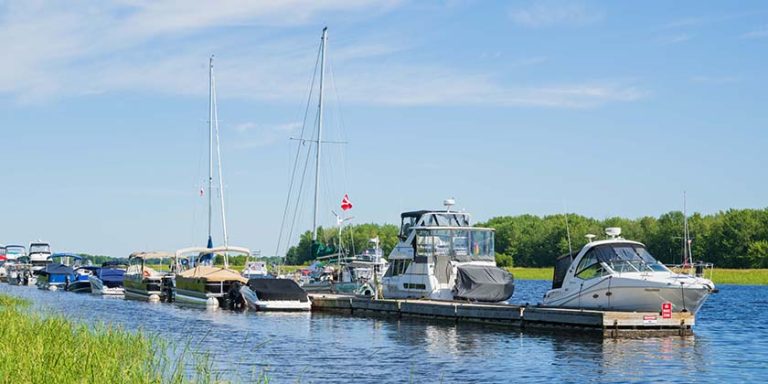
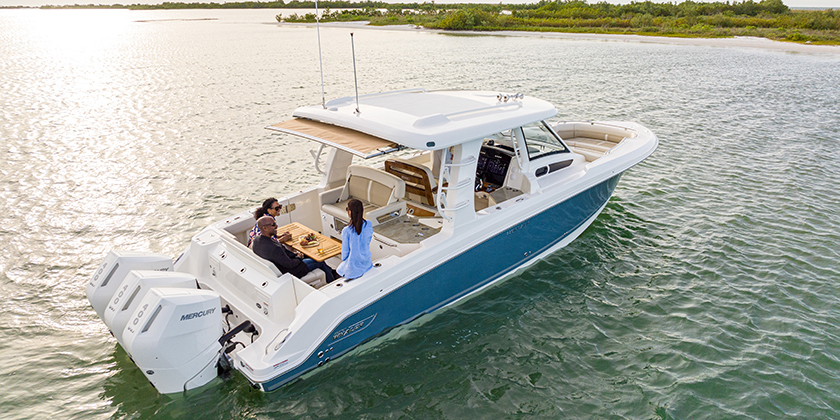
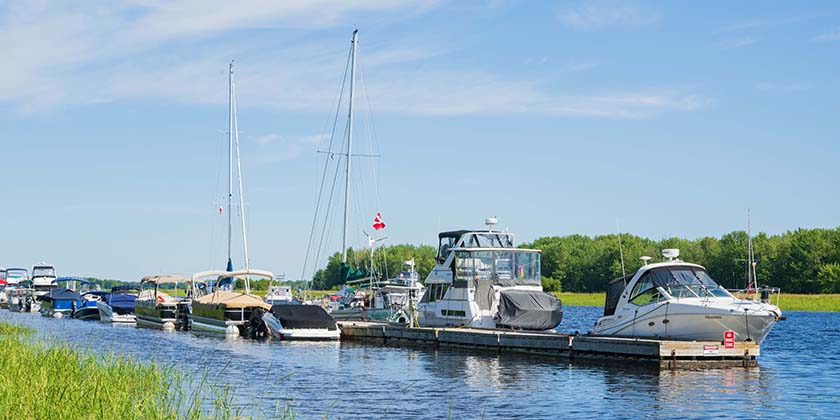
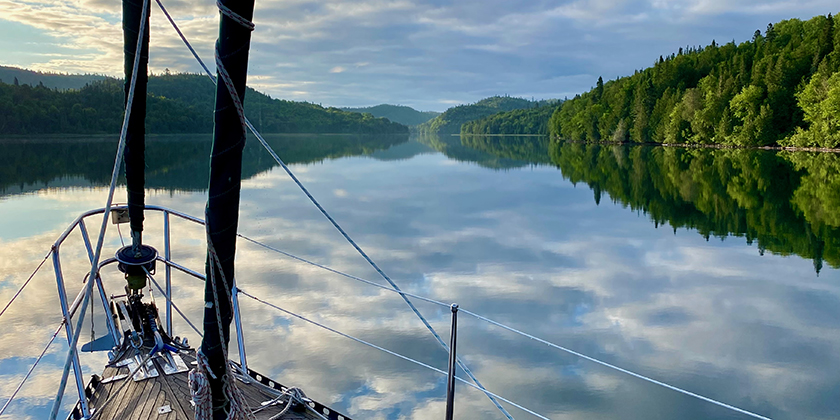
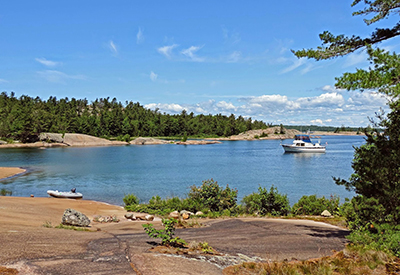
Boat in the North Channel, photo credit NCC
Located in Lake Huron, the internationally significant Manitoulin Island is the largest freshwater island in the world. It supports some of the highest quality alvar habitat on the planet, interspersed within sand plain forests, wetlands, sand dunes, shoreline and the Niagara Escarpment. At the northern edge of southern Ontario, Manitoulin is home to wide ranging mammals, including black bear and gray wolf, and provides an important stopover area for migratory birds.
The Nature Conservancy of Canada (NCC) has an amazing opportunity to acquire 7,608 hectares (18,800 acres) on Manitoulin Island at Vidal Bay. When combined with nearby and adjacent conservation lands that NCC has already conserved, this will become a protected area complex of 250 square kilometres (24,860 hectares/61,435 acres), the largest of its kind south of the Canadian shield in Ontario. It will conserve an astonishing 86 kilometres of Great Lakes shoreline, more than twice what is currently protected at Bruce Peninsula National Park.
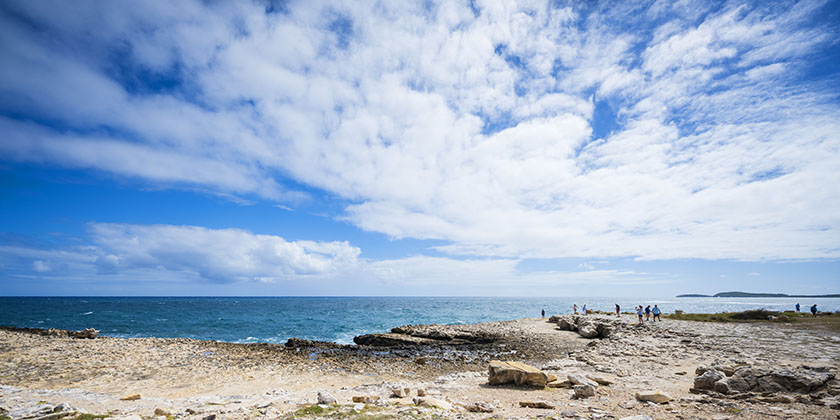
 Vidal Bay, Manitoulin Island, ON, Photo by Jamin Hudson
The Vidal Bay Forests and Shoreline property features coastal cliffs, undeveloped Lake Huron shoreline, inland lakes and wetlands, intact forests and alvars. According to the International Alvar Conservation Initiative, the alvars of western Manitoulin Island are the best remaining examples of this type of globally rare habitat in North America, where the limestone pavements and thin soils set the stage for a unique assemblage of rare and endemic plant species.
Protecting large swaths of high-quality habitat is essential for the ongoing survival of the millions of migratory birds we enjoy passing through southern Ontario every spring and fall. The Vidal Bay Forests and Shoreline property supports a wide range of birds, including warblers, vireos and scarlet tanagers. The wetlands and shoreline are important habitat for breeding and migrating waterfowl, including ducks, loons and grebes. With its protection, we will be able to continue to enjoy these birds into the future.
Quick facts
• Location: Manitoulin Island
• Habitat type: shoreline, forest and provincially significant alvars
• Size: 7,608 hectares (18,800 acres) including 18.5 kilometers of shoreline on the North Channel of Lake Huron
• Total project cost: Approximately $16,000,000
• Carbon stored by property: 8,764,969 tonnes of CO2 equivalent (CO2e)
• Annual carbon sequestration: 22,675 tonnes of CO2e per year
• Species: American black bear, gray wolf, mottled duskywing, Lakeside daisy, Hill’s thistle, eastern wood-pewee, Blanding’s turtle, least bittern, otter
The Nature Conservancy of Canada (NCC) is Canada’s leading national land conservation organization. A private, non-profit organization, we partner with individuals, corporations, foundations, Indigenous communities and other non-profit organizations and governments at all levels to protect our most important natural treasures — the natural areas that sustain Canada’s plants and wildlife. We secure properties (through donation, purchase, conservation agreement and the relinquishment of other legal interests in land) and manage them for the long term.