


Recognizing the Real Challenges of Building a Volunteer Program at Today’s Yacht Clubs
March 26, 2026

By Kris Olson, Newport Yacht Club
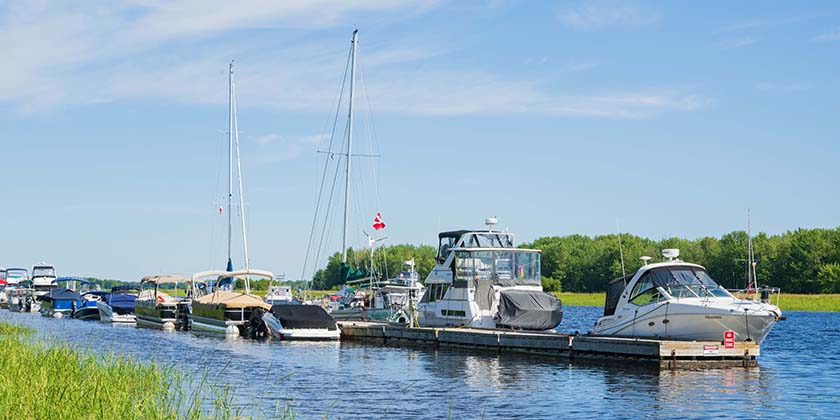
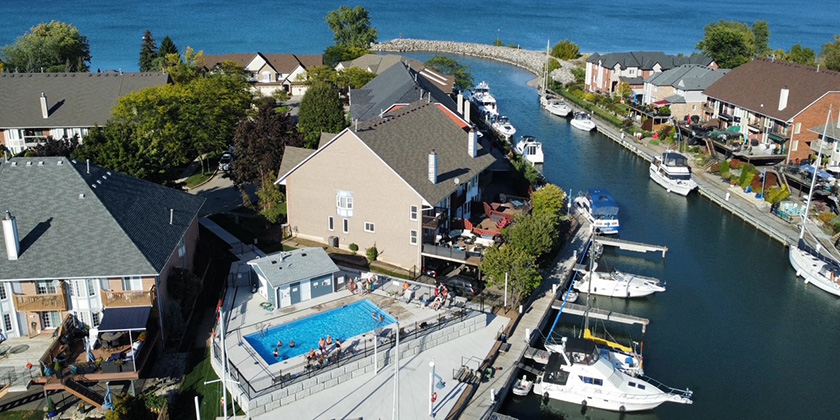
In the first article of this two-part series , we explored the benefits of building a volunteer program at today’s yacht clubs, focusing on Newport Yacht Club in Stoney Creek, Ontario. Newport has been a non-profit, volunteer-run, power and sail club since 2012 and has blossomed into a successful, vibrant organization with a core of dedicated members who assist in all operations of the club.
Although building this structure and club culture has taken time and focused effort and has not been easy, nor remains easy, this organizational structure is crucial to the club. Beyond keeping our dockage rates reasonable, the structure facilitates the continued existence and future prosperity of the club.
This second article focuses on the challenges you are likely to encounter in building a volunteer program for your yacht club.
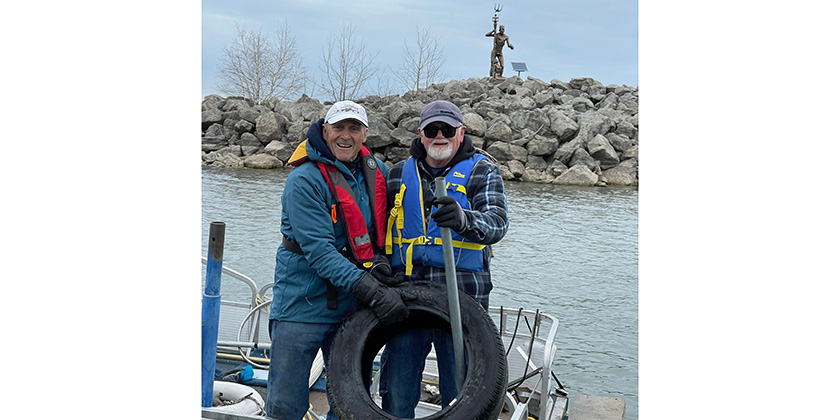
Recognizing the Real Challenges
Despite its advantages, volunteer engagement can be difficult. Not all members have the time, capacity, or desire to volunteer. Many prefer to contribute financially instead, while others just want to pay their fees and be left alone. Clubs must respect that choice and not force or guilt members into volunteering their time, as this can be counter-productive and possibly even drive members away. The challenge is how to balance these opposing forces and keep things fair for all members.
Administration is another significant consideration. Coordinating volunteers, ensuring the safety and quality of work, tracking hours, and approving contributions all require time and oversight. Without clear processes and solid technological solutions underpinning them, volunteer programs can become inefficient or frustrating.
Financial incentives add further complexity. Some clubs choose to offer fee reductions or credits to volunteers, while others charge higher fees to non-participants. Many clubs have a minimum of volunteer hours each member must contribute, some as low as 10 hours per season, others as high as 50 or more, with the most engaged volunteers spending far more than that. Each approach carries cultural and administrative implications, and there is no universally correct solution. It often takes years of experimentation to produce the right program for a club, and that club should feel free to continue tinkering to further improve.
Finally, recognition matters. Volunteers who feel taken for granted are unlikely to remain engaged. Appreciation must be genuine, visible, and consistent.
Designing a Program That Works
Successful volunteer programs share several common characteristics:
- Clarity: Members should understand what opportunities exist, what is expected, and how their time is counted or recognized. “We need somebody for two hours on Saturday at 9 am to help pick weeds” is far better than “Show up Saturday and we’ll find something for you to do.”
- Flexibility: Not all volunteering needs to be a major commitment. Offering a range of options – from short, one-time tasks to ongoing committee roles or Board positions – allows more members to participate in ways that suit their lives.
- Fairness: Whether or not the club chooses to attach financial incentives, the system must feel fair. Transparent rules around hours, recognition, and expectations build trust.
- Support: Volunteers need tools, training, and leadership. Setting members up for success shows respect for their time and effort.
- Recognition: Appreciation should be visible and sincere, through thank-you events, acknowledgments at meetings, or simple personal expressions of gratitude, which can often be the most powerful.
Equally important is tone. Volunteering should be presented as an opportunity rather than an obligation. When clubs emphasize contribution, connection, and shared benefit, participation should naturally increase. But what if it doesn’t?
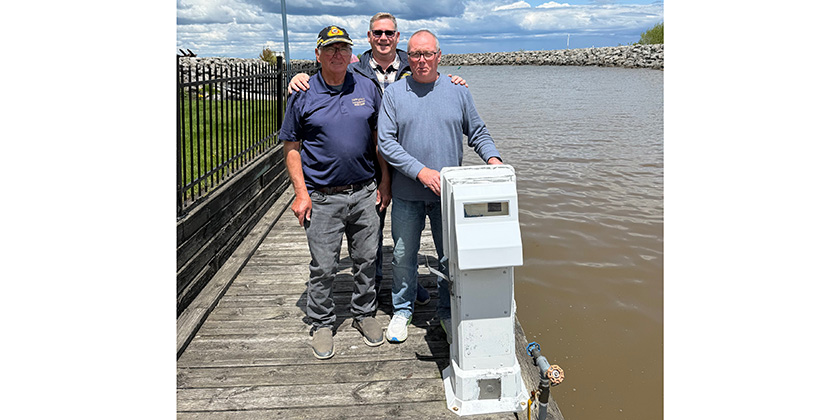
What if Your Volunteer Program is Broken?
A core team of committed volunteers take care of everything. The same 10% to 20% of members can be counted on to answer the call for a new volunteer task. The majority of members do not help. More work is being hired out, or additional staff are being hired, resulting in skyrocketing dues and unhappy members. What can you do?
It’s time to stop, do a frank and honest review of the volunteering program, and try something different. Survey members and find out why they do or do not volunteer. Research and evaluate options. See what other clubs are doing. A volunteer program cannot survive for long when all work is done by a dedicated few.
Leadership Sets the Culture
Volunteer culture starts at the top. When board members and senior leaders actively participate and support volunteer initiatives, it sends a powerful message. Leadership by example reinforces the idea that service is integral to membership, not an add-on.
Open communication is also essential. Clubs that regularly explain why volunteer programs matter – and how they contribute to financial health, governance continuity, and community strength – are more likely to earn broad member support. Celebrate your volunteers!
The Newport Volunteer Program
Has Newport cracked the code and developed the most successful volunteer program on the Great Lakes? The answer to that is no; our program is a perpetual work in progress with successes, failures, and many ups and downs. We do have a dedicated core of volunteers but also focus on encouraging all members to volunteer their time, even if it is just for a few hours. We continue to experiment with building our volunteer base and often try ideas brought back from Newport boaters visiting other yacht clubs on the lakes with successful volunteer programs. One thing we have learned is the importance of making volunteering expectations clear to prospective and new members, then engaging them early in projects and finding out what they are interested in and where their skills lie.
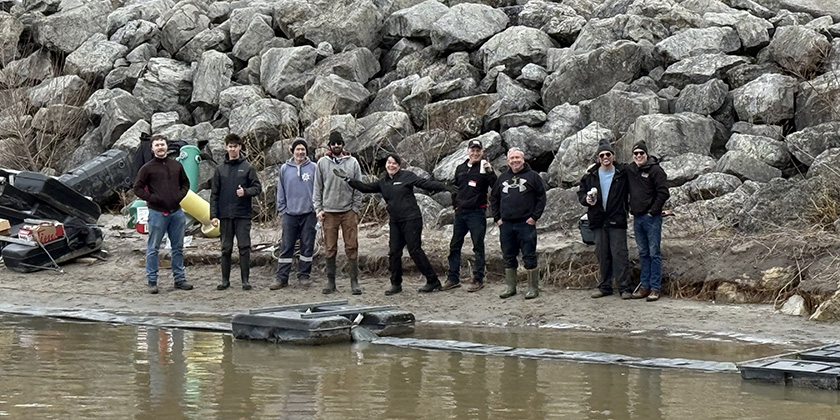
Conclusion
An engaging volunteer program is one of the strongest foundations a yacht club can have building community, reducing costs, developing leaders, and creating a sense of shared ownership that money alone cannot buy.
While challenges exist, they are manageable with thoughtful design and open communication. When done well, volunteering transforms a club from a collection of individual members into a true community.
At Newport Yacht Club, the volunteer program is not just about getting things done. It is about bringing people together, strengthening bonds, and ensuring the club remains vibrant, welcoming, and sustainable for years to come.