



Heading south? These are for the swim platform

Nov 11, 2021
Sharkbanz is the first wearable shark deterrent technology created by experienced ocean goers Nathan and David Garrison. Instead of waiting for the next attack to happen, they decided to do something about their underlying fear. After three years of testing, design, and development, the first version of Sharkbanz launched in 2015. Using patented magnetic technology with decades of research by marine biologists, Sharkbanz takes advantage of a shark’s unique and powerful electroreception to cause a highly unpleasant sensation that turns them away without harm.
The result of over a decade’s worth of research in the USA, Australia, The Bahamas, and South Africa, the groundbreaking electromagnetic technology used in both the Sharkbanz 2 wearable band and Sharkbanz Fishing Zeppelin overwhelms a shark’s electroreception, creating an unpleasant but harmless sensation that can stop the ocean’s most efficient predator in its tracks.
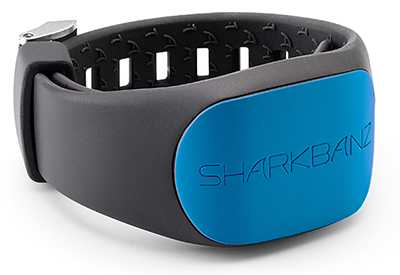
Constructed with biodegradable, PLA materials, both the Sharkbanz 2 and Sharkbanz Fishing Zeppelin require no batteries or charging. In fact, they are always on and ready to go. Both are also TSA and airline friendly and come in a magnetic-shielded box for safe storage. About $110 from Amazon. Sharkbanz pledges 3-percent of profits for ocean and shark conservation and aims to raise awareness on issues that impact the world’s oceans.