


Garmin® Debuts GDL™ 40 Cellular Marine Weather Receiver
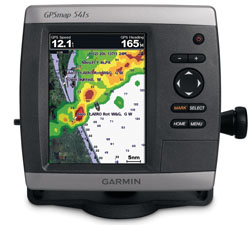
Garmin International Inc. announced the GDL 40 – an affordable marine weather solution that brings on-demand graphical weather and radar data directly to a compatible NMEA 2000 Garmin chartplotter. The GDL 40 is the first and only cellular marine weather receiver on the market today.
“For the first time, using the GDL 40, mariners will be able to purchase vital weather data on-demand when they need it most,” said Dan Bartel, Garmin’s vice president of worldwide sales. “Whether you’re avoiding approaching weather or checking the wind direction, having a pay-as-you-go solution like the GDL 40 provides added flexibility, convenience and confidence on the water.”
The GDL 40 communicates with nearby cellular network signals to receive weather data from Digital CycloneSM, a leading weather provider and subsidiary of Garmin Ltd., and provides coverage for the US, Canada or Europe on a day-to-day basis. Once activated, users can purchase day passes from the device to begin receiving 24 hours of continuous weather data. Simply select the “Buy Weather” option on the chartplotter to begin downloading available weather data, including live weather radar, wind speeds and direction, sea surface temperatures, wave heights, local forecasts, country/marine warnings, lightning and more. The GDL 40 is compatible with the GPSMAP 6000/7000 series, GPSMAP 4000/5000 series, GPSMAP 700 series and the GPSMAP 4X1/5X1/5X6 series (NMEA 2000 versions).