


CSBC Signs International Lifejacket Wear Principles
An idea that began with a meeting of international delegates at the CSBC Symposium in Gravenhurst, Muskoka last September has taken flight. On May 1, 2013, Australia, Canada, France, New Zealand, United Kingdom and the United States signed the International Lifejacket Wear Principles during the week of the Marine13 Conference in Sydney. The majority of all fatal boating incident victims drown and of these, around four out of five are reported as not wearing a lifejacket across these nations. This collaboration by some of the most prominent boating safety authorities and organisations in the world aims to promote lifejacket wear and prevent death by drowning.
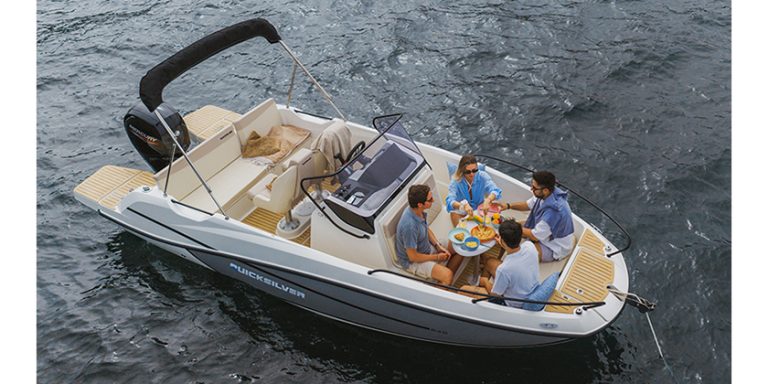
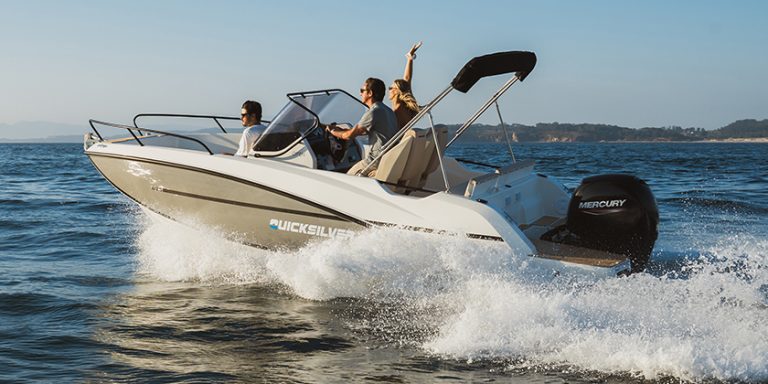
The main aim of the principles is to promote lifejacket wear and to normalize it by encouraging boating media around the world to show people wearing lifejackets in small boats. The different jurisdictions, largely depending on marine conditions, define small boats variously as under 4.8m, under 16ft, under 6m or under 7m; and including tenders.
With the signing of the agreement in Sydney, signatory countries are now widely communicating this important initiative. The principles are hosted on a common webpage to allow like-minded organizations to show their support, and to provide links to exemplary lifejacket wear initiatives. All agree to use the word “lifejacket” as a generic, non-ambiguous term covering all nationally approved personal lifesaving appliances/devices.
Organizations which are signatories to the International Lifejacket Wear Principles agree to the following:
• Recognize the fundamental role the wearing of lifejackets plays in the safeguarding of life for water users;
• Recognize the importance of promoting the wearing of lifejackets when boating;
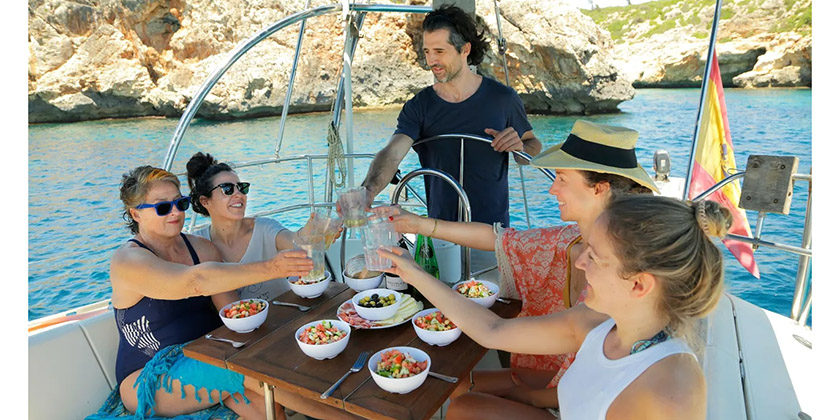
• Endeavour to ensure that any publication including brochures, DVD, video, websites, and the like will feature all people wearing contemporary style lifejackets when in an outside area of a small craft that is underway;
• Recommend to the recreational boating industry that its publications similarly feature all people shown wearing lifejackets
when in an outside area of a small craft that is underway;
• Require on-water education and compliance staff to wear lifejackets whenever they are on the water;
• Use the term “lifejacket” in public information and education; and
• Encourage respective boating safety networks to become ‘safety partners’ by supporting the above principles.
The CSBC is proud to be part of this international collaboration to promote lifejacket wear. Don’t just carry it, wear it!!
www.lifejacketwear.com