



Beyond Cost Savings: Why Volunteering Matters
March 12, 2026
By Kris Olson, Newport Yacht Club
Across Canada, yacht clubs are navigating a familiar set of pressures: rising operating costs, aging infrastructure, shifting member expectations, and an increasing demand for professional-level amenities. In this environment, volunteer programs—once viewed as optional or informal—are re-emerging as a critical component of long-term club sustainability.
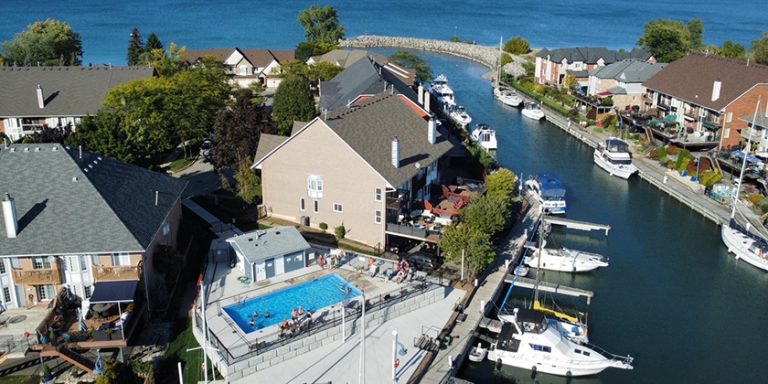
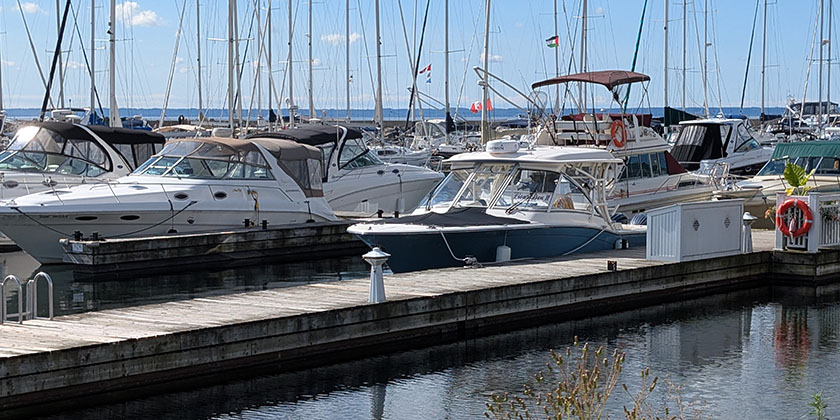
At Newport Yacht Club in Stoney Creek, Ontario, volunteering is not just about saving money or filling gaps. It is about creating social cohesion, developing future leaders, and fostering a sense of shared ownership that cannot be purchased through dues alone. Like any volunteer-driven model, however, it comes with both rewards and challenges. Building an engaging volunteer program requires intention, structure, and care. But when thoughtfully structured, volunteering becomes a strategic asset rather than an administrative burden.
This first article in a two-part series will focus on the typical components of a successful volunteer program and how you can achieve it.
Building an Engaging Volunteer Program at Today’s Clubs
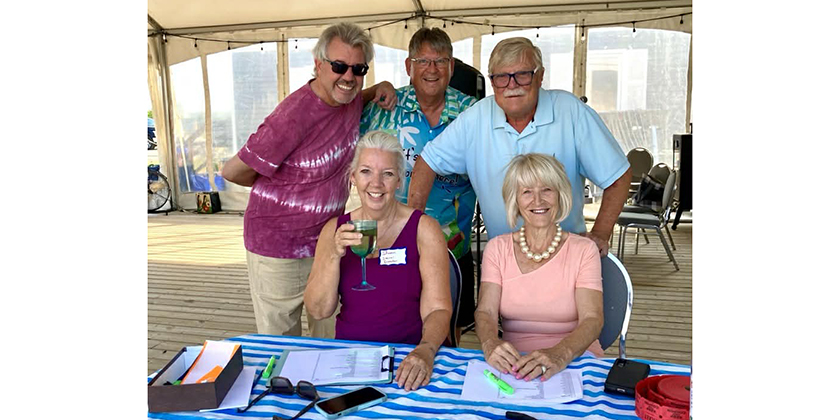
Financial efficiency is often the first argument in favour of volunteer engagement. Tasks such as social event planning and support, property management (dock repairs, gardening) administrative duties (marketing, bookkeeping, membership management) and overall club management through committees and Board positions does meaningfully reduce staffing costs. This becomes even more important for a club like Newport that owns the entire marina basin and surrounding property. However, the more profound benefits are cultural rather than financial.
When members contribute time and effort, they develop a deeper connection to the club. Working side by side builds informal relationships that extend well beyond the task at hand. Over time, this shared experience creates trust, mutual respect, and a stronger sense of community, particular for a club like Newport which has a healthy mix of power boaters, sail boaters, and everything in between.
According to Newport Yacht Club Commodore Michael Rushton, the value of volunteering extends well beyond the work itself.
“When members volunteer together, they form relationships that simply wouldn’t happen otherwise,” he says. “That sense of shared purpose turns a marina into a community.”
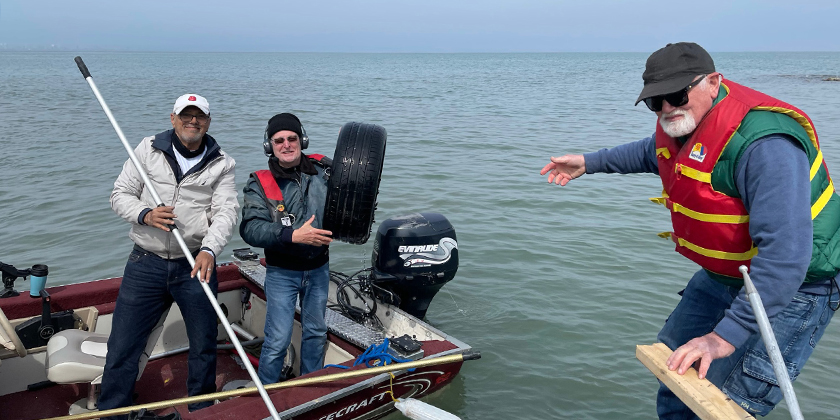
Clubs with active volunteer cultures often report higher levels of member engagement overall. Members are more likely to attend events, participate in committees, and take pride in the condition and reputation of the club.
Ownership, Responsibility, and Pride
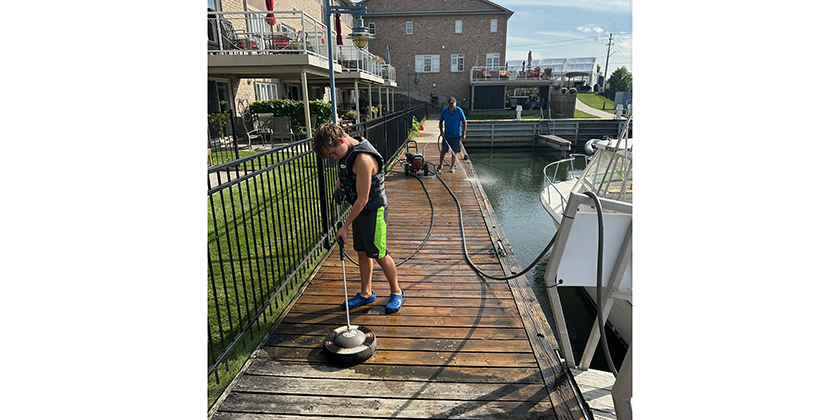
Volunteer engagement also encourages a sense of ownership. Members who have invested their time tend to care more deeply about club assets, policies, and long-term direction. This often translates into better stewardship of facilities, improved compliance with club rules, and a more constructive approach to problem-solving.
Rather than viewing the club as a service provider, volunteers begin to see it as a shared responsibility. That mindset can have a lasting impact on club culture, particularly during periods of change or challenge. Members are more engaged when they have a voice and a role in building the club and know their efforts make a difference.
Developing Skills and Future Leaders
One of the most overlooked benefits of volunteering is skill development. Yacht clubs are businesses and offer a wide range of opportunities that allow members to gain experience in leadership, planning, communication, safety oversight, and governance.
Committee participation, event coordination, and operational roles provide members with practical experience that often translates into future leadership positions. Many successful boards draw heavily from individuals who first became involved through volunteer work.
Former Director of Volunteering Ana Olson, who played a significant role in building Newport Yacht Club’s most recent volunteer framework, highlights this developmental aspect.
“Volunteering allows members to not just put their valuable skills to use, but to develop new ones,” she notes. “It builds confidence and helps members understand how the club functions behind the scenes.”
A strong volunteer program effectively becomes a leadership pipeline, reducing burnout among long-serving board members and ensuring continuity in governance.
Strengthening Community and Club Identity
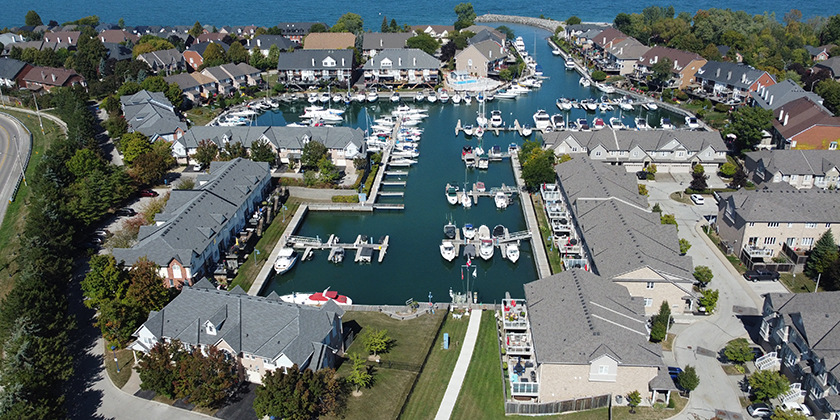
Beyond structure and skills, volunteering reinforces the social fabric of a club. Shared work—whether preparing for a club cruise, maintaining grounds, or cooking and serving food at a Saturday night social event—creates moments of informal interaction that are difficult to replicate in purely recreational settings.
These interactions contribute to a club’s identity. Prospective members notice when a club has an active, engaged membership. Long-standing members feel renewed purpose and new friendships are born. The result is a more vibrant, welcoming organization that reflects the values of its members and retains them.
Conclusion
In an era when yacht clubs must balance rising costs with rising expectations, the question is no longer whether to have a volunteer program, but how to intentionally design one. A well-structured volunteer framework does more than distribute workload – it strengthens culture, builds resilience, and connects members to something larger than their individual boating experience.
At Newport Yacht Club, the experience has shown that when members invest their time, they invest their pride. When they work alongside one another, they build trust. And when they understand the effort required to operate and maintain a complex waterfront property, they develop a deeper appreciation for the value of their work.
In our next article, we will explore the challenges in building a volunteer program and some practical steps you can take to overcome these to develop a program that members are proud to join and eager to support.