


Venice is sinking – but flying electric boats might be the solution
June 24, 2021
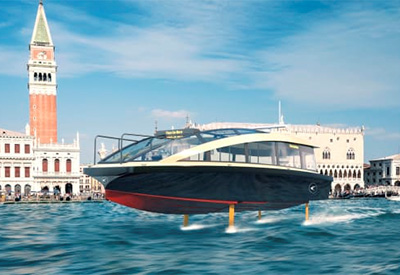
Candela P-30 is an electric ferry that builds on Candela’s technology developed for the leisure boats model C-7.
“Moto Ondoso” – wake damage – from thousands of motorboats is slowly eroding the iconic buildings of Venice. A Swedish-designed electric boat that flies above the water might be the answer to the city’s problems.
Venice faces a difficult choice between using fast motorboats on the canals and protecting the city’s iconic cultural heritage. Venice has a unique traffic system where the primary means of transportation is boats. This, however, does not exempt the city from traffic-related noise pollution and congestion. Unique to Venice, though, is ”Moto Ondoso”, wake pollution, which has already caused damage to 60% of the city’s buildings, according to one study.
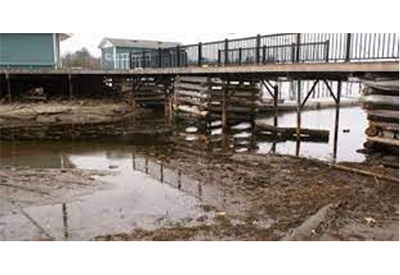
The greatest culprits are water taxis and tourist boats. As they pass through the narrow canals, they generate wake which washes against canal walls and foundations with great energy, speeding up erosion and eventually leading to building collapse.
Most motorboat engines lack the sophisticated catalytic converters found in cars, and therefore spew out nitrogen oxides and particulate matter. The acid nature of the pollution is thought to be speeding up the erosion of the city’s medieval buildings, which are already sinking into the lagoon – a process hastened by the constant currents caused by the large number of vessels passing through the canals.
During the past year, Venice’s usually dark waterways have turned noticeably clearer because of the absence of motorboat traffic.
And hopefully they can stay clear – or at least this is the vision laid forth by Candela, a Swedish tech company that will demonstrate their flying electric boats during the Salone di Nautica in Venice, starting on May 29.
Candela’s boats run on hydrofoils, computer-controlled underwater wings, that lift the hull above the water and decrease water friction by 80 percent compared to conventional taxi boats. Using very little energy and traveling silently, Candela’s leisure boat C-7 produces a wake that is less than 5 cm high – or about the size of wake generated by Venice’s traditional rowing boats.