



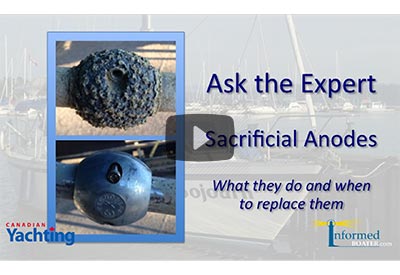
Ask the Experts – Sacrificial Anodes

When metals are immersed in water and in close proximity to each other they produce an electrical voltage. When two dissimilar metals are in contact they form a galvanic cell, just like a battery.
If you want to protect both metals you need to introduce a third metal that is more active than the first two. The most active metal (zinc, aluminum or magnesium) becomes the anode to the others and sacrifices itself by corroding to protect the cathode – i.e. it sacrifices itself for the good of the other metals.
In this edition of Ask the Experts, we will explore what a sacrificial anode is, what it does and when to replace it.
http://www.informedboater.com/ask-the-expert/
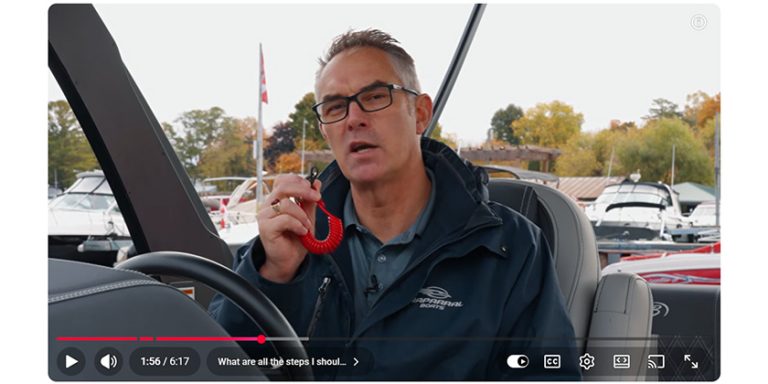
View the Sacrificial Anodes video here.
Related Articles:
* Ask the Experts: Keeping Diesel Fuel Clean Part I – Biocide
* Ask the Experts: Keeping Diesel Fuel Clean Part II – Filters
* Ask the Experts: Keeping Diesel Fuel Clean Part III – Water Separation Filters
* Ask the Experts: Solar Panels – Part I – Power Considerations
* Ask the Experts: Solar Panels – Part II – Solar Technology
* Ask the Experts: Solar Panels – Part III – Installation
* Ask the Experts: Battery Performance and Longevity
* Ask the Experts: Ablative Bottom Paint
For more Ask the Experts videos as well as Boat Reviews and Boating Lifestyle videos subscribe to Canadian Yachting’s YouTube channel here!