


Ask Andrew: Battery Tests part 2 – What to do if your battery fails a test
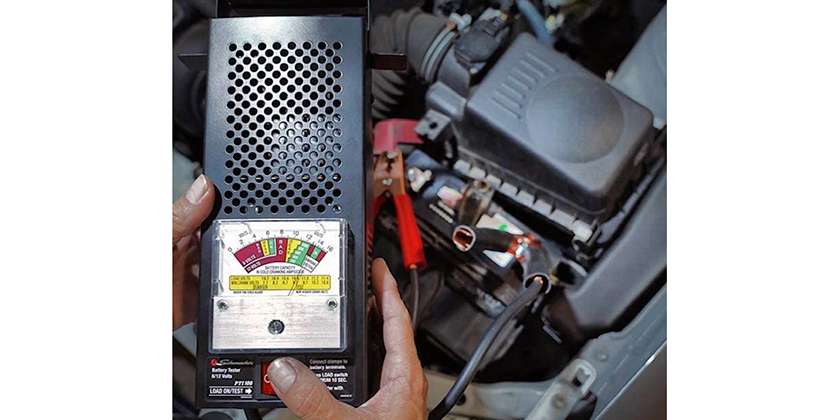
Load testing a battery
June 27, 2024
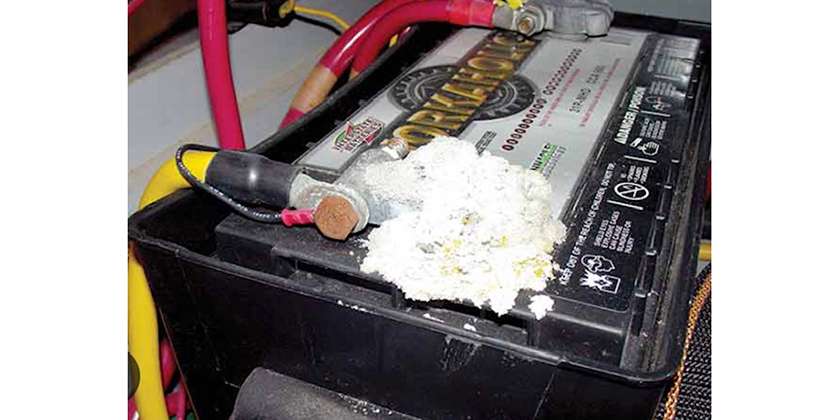
1) If the battery fails in any of the three tests, corrective action should be taken: Clean terminals, top up battery fluid, charge the battery. When any corrective action is taken, run through the tests again and record the results
2) If the battery fails to charge, fails to hold a charge and/or fails the load test – more corrective action may be needed like reconditioning the battery. Some modern battery chargers will allow you to run the battery through a reconditioning cycle, which helps to remove sulphates from the battery plates, and allows the battery to work more efficiently. If you charger doesn’t have this option, I recommend taking your battery to a qualified marine tech, marine repair shop, or battery repair service for reconditioning.
3) If the battery passes each of the tests, but causes issues when performing its designed work aboard, there may be issues with onboard systems, rather than the battery. If this is the case, replacing the battery likely won’t fix the problem.
4) Create an efficient system:
a) Ensure than corrosion is removed from any terminals that connect to the battery
b) Ensure that any/all ring terminals are in good condition
c) stack no more than 4 terminals per battery post
d) stack terminals so that the rings drawing the highest load (ie engine starter) are at the bottom – directly against the battery – so that the highest loads have the greatest surface area against the battery post
e) always use nuts that can be tightened with a torque wrench, rather than wing nuts
f) torque terminal nuts to the manufacturer’s recommendations.

Batteries make life so much simpler aboard: At the push of a button or the turn of a key, we’re able to access modern conveniences. This access is predicated on quality maintenance and understanding of the system components.
As always, if you find yourself unsure about a step; consult your local trusted marine technician for support.
Andrew McDonald is the owner of Lakeside Marine Services – a boat repair/maintenance firm based in Toronto. Andrew has worked in the marine industry for 12 years and is a graduate of the Georgian College ‘Mechanical Techniques – Marine Engine Mechanic’ program.