


Preparing for fall maintenance
As we begin to think about the change of season that is quickly approaching, it’s important to be proactive and perform some of the following preventative measures to help keep your boat in optimal condition.
Aug 9, 2023
As we begin to think about the change of season that is quickly approaching, it’s important to be proactive and perform some of the following preventative measures to help keep your boat in optimal condition. Here are some key elements to incorporate into your regular maintenance schedule:
Fuel Additives
Whether your vessel is diesel or gasoline, it is important to use a fuel additive in your tanks. This will help to stabilize your fuel for the winter as well as keep moisture down. It is recommended that the additives are incorporated on your last run for the season, so it works its way through the whole system.
Oil Change
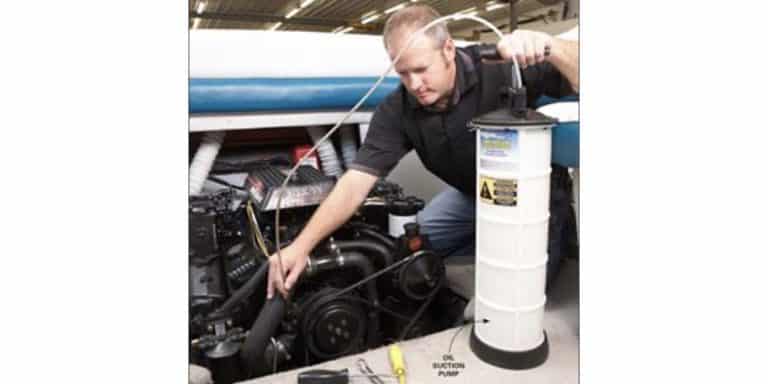
Having an oil change on your “to-do” list at the end of each season is a must. It is recommended that boaters have an oil change completed every 100 hours or once a season, and it is not recommended that old oil be left in your engine over the winter.
Inspecting the Hull and Running Gear
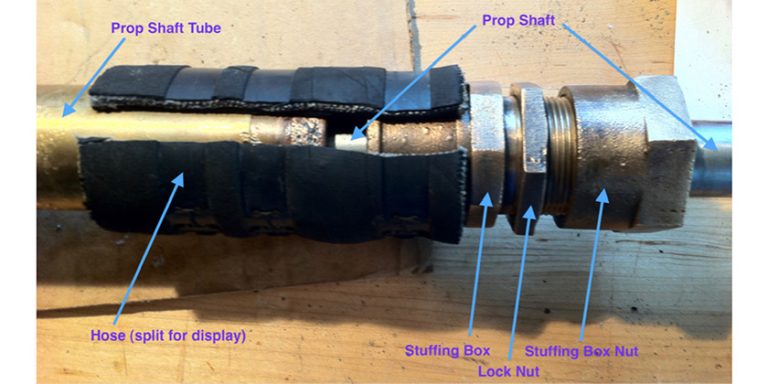
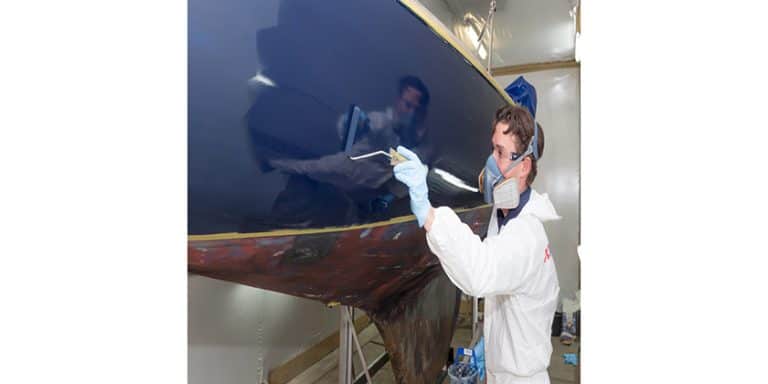
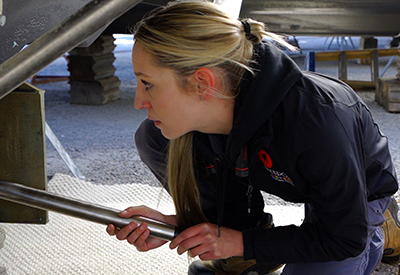
Once your boat is out of the water, it is important to clean your hull and running gear in order to inspect it. Typically, your marina will do this for you. Things you should always inspect: your prop for any nicks as this can affect performance, ripped bellows (this would allow water to get into your boat and possibly sink it), gouges in your hull that expose fibreglass (you could absorb water causing delamination).
Fuel Filters
Fuel filters help to keep contamination out of your fuel system and it’s important to change them out annually, to keep your boat performing at its optimal level.
Cleaning the interior
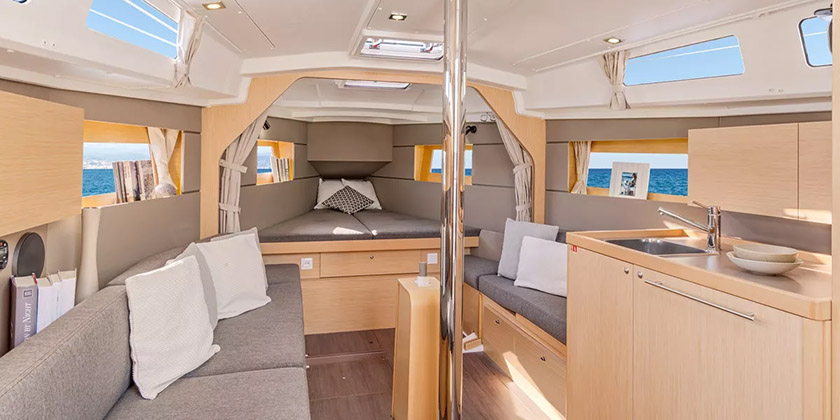
The inside of your boat is equally as important. Cleaning the interior will help to prevent mould from appearing. With the hot days and cool nights of summer, it is an ideal environment for condensation to form. To avoid this, you should put No Damps in your boat. No Damps is a chemical de-humidifier. Along with this, you should prop your mattresses, cushions, and other fabrics so there is as much airflow as possible. Whether you are stored inside or outside, always ensure that you remove all food sources from the boat. Any type of food will easily attract raccoons, squirrels or rodents.
Nobody wants to say goodbye to summer boating, but with these helpful pointers, we can ease into winterization and ensure the summer ahead is enjoyed hassle-free on our beloved boats!