


ShockAlarm
September 3, 2020
Description
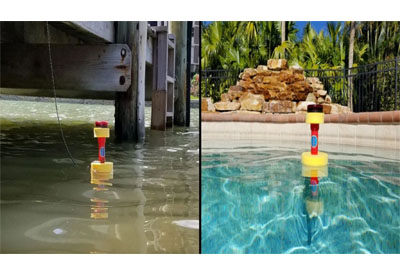
ShockAlarm is a floating, continuously monitoring alarm that can help tp protect your family and friends from Electrical Shock Drowning. It detects stray electrical currents that could be potentially dangerous.
This is a passive device which means it isn’t connected to an electrical system that could pose added dangers when around water. ShockAlarm will sound an alert and flash a warning light when electrical current is detected. Perfect for monitoring pools and around boats and docks.
Features:
- ShockAlarm is in constant contact with the water while monitoring.
- Simply activate and put it in the water to use.
- Battery operated – does not introduce electricity into the water.
- The device is totally portable and can be taken with you to different monitoring sites.
- ShockAlarm is a totally enclosed, waterproof system.
Are the ShockAlarm batteries replaceable?
The batteries in the ShockAlarm device are not replaceable or rechargable as they are sealed into the unit to ensure water does not enter the circuitry. The continuous-life (monitoring time without turning the device off) for the ShockAlarm device is approximately 12-18 months depending on how many times it alerts as it detects electricity. By placing the ShockAlarm in the off position when not in use can extend the battery life by several months.
Where to Buy
Reminder:
The ShockAlarm device is designed to detect an electrical AC voltage in water that is aproximately 20 volts or higher. The ShockAlarm device is only measuring the electrical voltage at the location where it is making contact with the water. Proper use requires the ShockAlarm device to be in the water, floating freely without direct contact with other materials or surfaces, in the area where people are swimming.
What Is ESD – Electric Shock Drowning?
Electric Shock Drowning, or ESD, is a drowning event where the person is paralyzed as a result of electric current in water (for example: pools, lakes, marinas, hot tubs). If you are paralyzed while swimming, the result is usually a drowning.
If the electrical current through the body is high enough, it can directly affect the heart resulting in cardiac arrest. There is seldom any physical evidence of electrical shock unless a person actually comes in contact with something that could cause a mark on the skin.
We are able to classify this type of drowning as ESD because it is typically witnessed by friends and/or family members.