

The Importance of Practicing Boater Etiquette
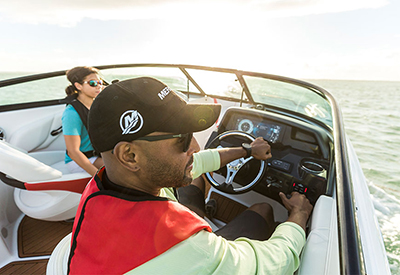
Heading out on the water should be an enjoyable experience for all boaters, which is why it’s important to never leave your boater etiquette on the shoreline. By following some basic etiquette measures, we can all make it easier for everyone to enjoy a leisurely and safe experience on the water this summer.
June 7, 2023
Heading out on the water should be an enjoyable experience for all boaters, which is why it’s important to never leave your boater etiquette on the shoreline. By following some basic etiquette measures, we can all make it easier for everyone to enjoy a leisurely and safe experience on the water this summer.
Tip one: Knowledge of proper navigation
As a boater, it is important to learn proper navigation techniques such as reading charts and markers/buoys. Knowing how to read charts will provide you with not only detailed information about water depth, buoy locations, and any hazards that may be along your route, but will make your journey – whether a short jaunt or a long haul – much less stressful and more enjoyable. Markers and buoys provide on-water navigation information to help safely travel between destinations. There are many different types of buoys and it is important to understand their meaning. Not having this knowledge could cause problems for not only you, but for fellow boaters as well.
Tip Two: Practice Safety on the Water
Having a strong foundation for navigation is a great place to start when it comes to safety, but there are other key items that need to be on your radar as well. To protect those onboard, you are required by law to have life jackets available for every occupant. Life jackets must be properly sized for each boater and never expired. Boaters are also required to have at least 15 meters of buoyant heaving line, Canadian-approved flares (Type A, B or C – not expired), a paddle or an anchor with at least 15 meters of line, a bailor or water pump, and lastly, a fire extinguisher. These are all required by law and can result in a fine if not onboard.
 Tip Three: Respect No Wake Zones
No Wake Zones are designated areas in waterways where boaters must operate at reduced speeds to minimize the impact of their wake on the shoreline, people, wildlife, and property. It’s crucial to familiarize yourself with the specific No Wake Zone regulations where you are venturing and follow them diligently. Respect these zones by reducing your speed and maintaining a safe distance from shorelines, docks, and other vessels. Remember, adhering to No Wake Zones is not only a sign of an experienced boater but also contributes to the overall safety and enjoyment of everyone on the water.
Additionally, boater operators should monitor weather conditions before leaving shore and while on the water to be aware of any weather systems that could potentially put their vessel at risk. Boat operators are not permitted to mix alcohol and drugs while operating a vessel of any size. By boating sober and being aware of weather conditions, we can collectively prevent unnecessary accidents from occurring.
This summer, bring your boater etiquette along for the voyage and let the good times follow. Happy Boating!
Brought to you by www.mlmarinas.com