



Maintenance: Why It’s Important to Stabilize Fuel
Jan 25, 2024
From Mercury Marine
No matter how much you daydream about spending every day aboard your boat taking in some incredible adventure, the truth is that most of us aren’t that fortunate. The average boater gets out on the water on weekends when schedules allow. In between those trips, the boat sits idle for days or even weeks. Then there’s the long offseason that many boaters face.
The intermittent nature of boating adds to the importance of taking good care of your boat and engine so there’s nothing to hold you back when you can get back out there. One of the simplest preventive tasks you can do is to stabilize your fuel prior to periods of storage.
Why It’s Important to Stabilize Fuel
Fuel stabilizing is an essential part of winter decommissioning.
When gas sits in your boat’s fuel tank, it can start to break down in a matter of weeks or months, depending on the quality of the fuel and other factors. Oxidation, gumming and varnish buildup can quickly follow.
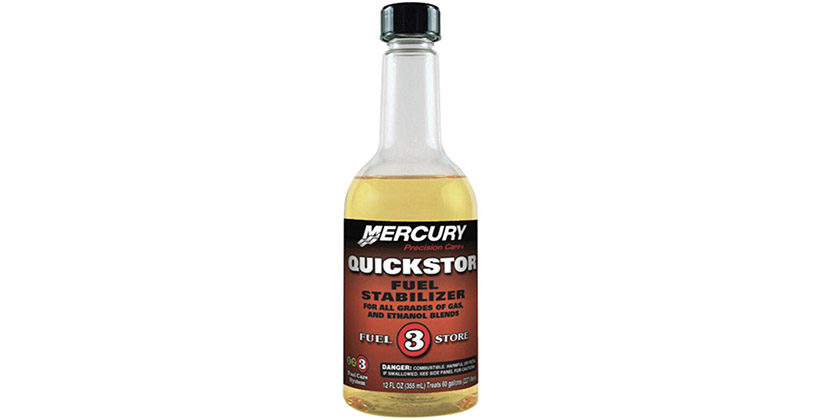
By stabilizing your fuel with a premium product such as Mercury Quickstor Fuel Stabilizer or others, you can head off these issues before they start. Stabilizer prevents regular and ethanol-blended gas from breaking down and oxidizing for up to two years while helping to keep fuel lines, carburetors and injectors free of gumming and buildup.
Stabilizers should always be added before off-season storage as part of your winterization process. And any time you’re putting the boat up for more than a couple weeks, it’s not a bad idea to stabilize the fuel just in case that “short break” turns into a longer one.
How to Stabilize Fuel
It’s important to use fresh fuel before long-term storage.
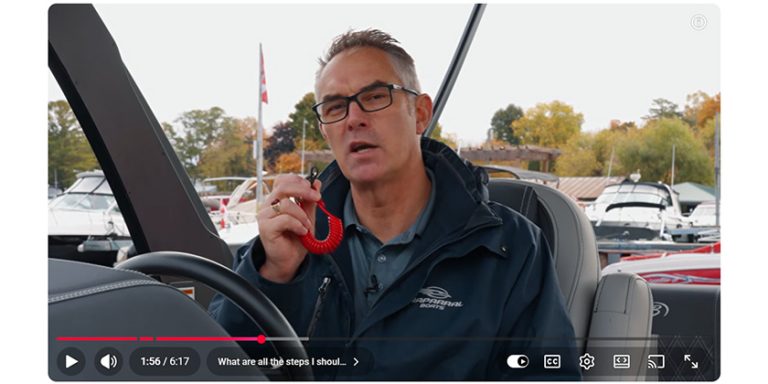
The video above walks you through the simple steps required to stabilize your boat’s fuel system before putting it into storage. Here are a few additional tips:
- Measure right – Before you stabilize the fuel, check the fuel level in the boat. Quickstor, for example, should be added at a rate of 1 ounce per 5 gallons of fuel. It’s OK if you add too much but check your fuel level to make sure you always add enough.
- Start with fresh fuel – If you’re stabilizing your fuel prior to long-term storage – like during winterization – it’s best to start with fresh fuel in the tank. Try to use non-ethanol fuel if it’s available near you.
- Treat the entire system – Once you add the stabilizer to the fuel tank, run the engine for five to 10 minutes to circulate it throughout the system. You can do this with the boat in the water, or by using a flush muff and garden hose to cool the engine while running it on your trailer. Make sure you run the engine in a well-ventilated area – outside being ideal.
That’s all there is to it. Fuel Stabilizer is easy insurance against common fuel-related problems.