



Island Grooves
 It is so hot in Codrington, Barbuda, even the chickens are napping. Then the afternoon explodes in sound.
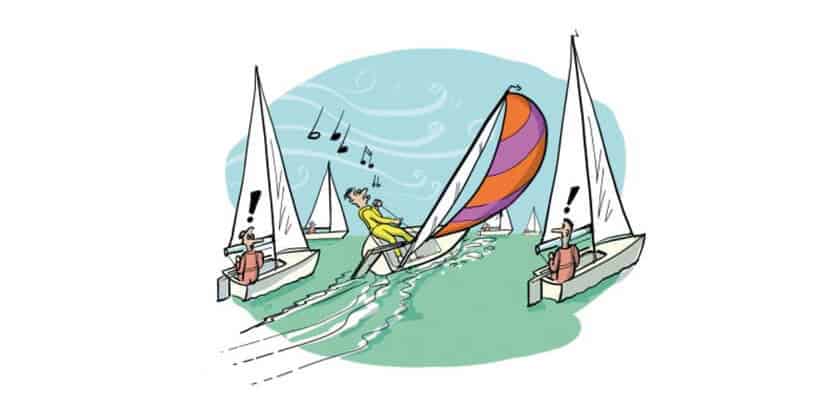
Around the corner come people swaying their hips in time to a band, one musician grinding out chord roots on a bass, a drummer pounding cross-rhythms.
And you find yourself bopping to an island groove they call Calypso.
Music spills from bars and festivals across the Caribbean like rum from overfilled glasses. It defines place, it characterizes each individual island, it is a potpourri of sounds that runs the gamut from reggae to fungi.
Reggae defines Jamaica. Hear a strain of “One Love” and you are transported.
Blue Danube Tours in Jamaica offers a Bob Marley expedition that includes his birthplace and his grave, with a side trip the Marley Museum in Kingston. “Almost everywhere you go you will hear music,” says Blue Danube proprietor Ray Watkin. “It is the heartbeat of our lives.”
Growing out of ska and a sort of Jamaican blues called bakra, reggae exploded in the 1960s. Spearheaded by Bob Marley and the Wailers, it has spread across the Caribbean, spawning artists who adapted the distinctive beat and the political and religious undertones to their own countries.
One place it landed was at the Dune Reserve on Anguilla’s south coast, at “Moonsplash” an annual March tradition brought to you by reggae star Banky Banx.
Once inside the gates, you are surrounded by a throng of people, their faces glowing in the light reflected from the stage, all swaying to the music. The rhythms seep into your bloodstream. You’ve been infected with an island groove.
And this is but one Caribbean genre.
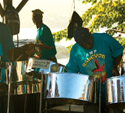
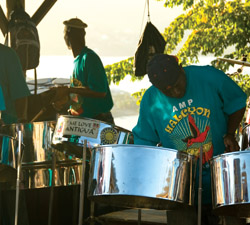
Calypso began in Trinidad. So did steel drum music – particularly during an oil boom here after World War II when fifty-gallon oil drums were a dime a dozen. Trust the Trinidadians to find music even there.
“Friends told me to expect music everywhere I went in Havana,” says music writer Willard Manus. “It was.”
Stroll downtown Havana when the sun goes down and jazz assaults you wherever you go. In fact, there are no less than ten winter jazz festivals across the Caribbean sea.
If you’re not so sure about jazz, go ashore in the British Virgin Islands and introduce yourself to a musical concoction known as fungi. It is, when you first hear it, outlandish.
One musician plays a calabash, another scrapes a washboard, another blows through a saxophone. You think you’ve got it down to calypso then you hear something that sounds like a hymn; you think it’s a sort of reggae then by the next bar it seems to be a regimental march.
Fungi is a popular dish in BVI – a sort of stew made from spices, cornmeal and whatever else is laying around. The music shares that name – and those characteristics.
“Both are one big cook-up,” says Fungi master Elmore Stoutt, a high school principal turned politician.
Part of finding the rhythms of the islands is listening to the rhythms of the islands.
They are infectious grooves indeed.