


Tsunami Watch

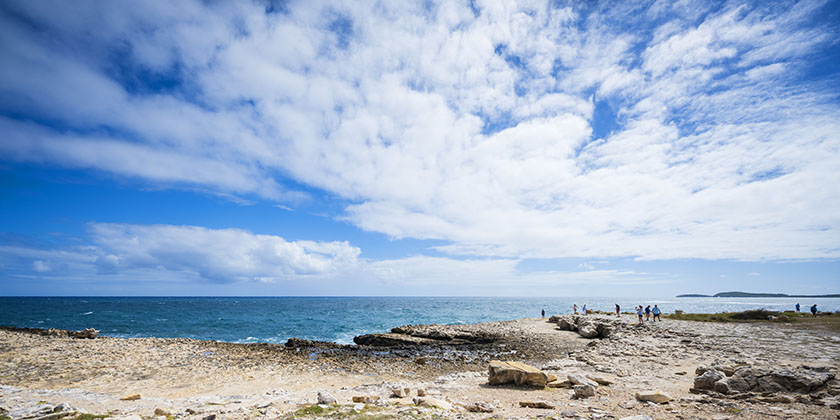
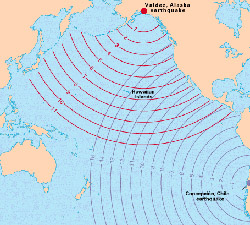
The devastating tsunami that hit Japan in March 2011 has created an enormous debris field floating in the Pacific, much of IT heading to west coast shorelines. Some US states have already made provision for a clean-up but Canadian authorities have so far not followed suit. The Maritime Museum of BC has stepped up with the creation of a reporting website on which they are inviting reports and, more importantly, photos of incoming debris. The museum is conducting a curated study of the arriving debris, almost in real time. Cooperating with local schools, the museum plans to teach about tsunamis, their damage and the ocean currents that transport disaster-related debris to our shores. They are also working with Japanese officials to identify debris and to return any valuable or personal items that might be identified.

For more information visit the museum website at www.mmbc.bc.ca.
Related Articles


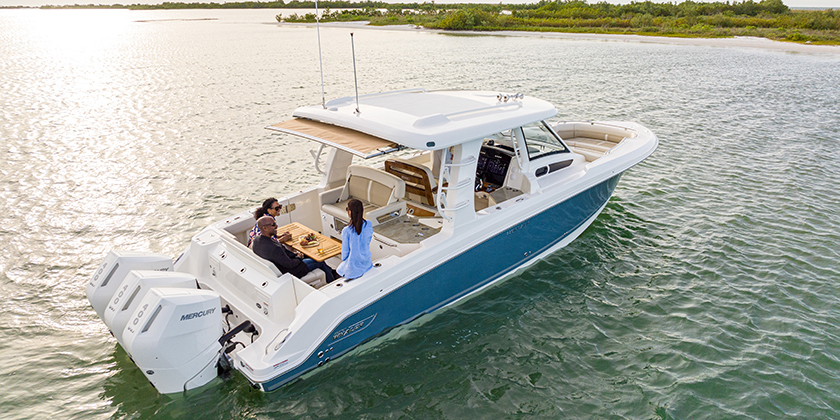
Bennington 22 MSB

By Andy Adams

If you’ve already had firsthand experience with a pontoon, you will easily understand the appeal of the Bennington 22 MSB. But if you haven’t, let’s start by reviewing a few of the reasons why pontoon boats have become top sellers in markets across North America.

Pontoon boats began in the early 1950s as basically four steel drums lashed to a frame. They were not unlike the log rafts of ancient cultures and not much more sophisticated at first.

Read More


Destinations

The Best of Two Worlds

By Mathew Channer

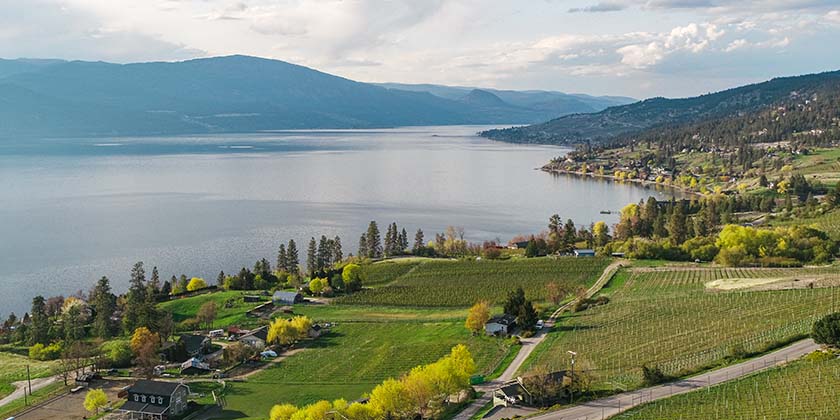
Interior British Columbia might not be as famous for recreational boating as Canada’s Great Lakes, yet it is no less a world-class boat­ing destination. The mountains offer their own flavour of marine adventure with their series of long, deep ribbon lakes, and there is perhaps no area that embodies this more uniquely than the iconic Okanagan basin in southern B.C. One could be forgiven for assuming this valley was purpose-built for nautical fun, with a few delightful perks thrown in to make the area entirely irresistible (wine-tasting, anyone?).

Read More