

Written in Partnership with MD Marine: Winter Months! What to Know About Your Insurance and What Questions to Ask
October 9, 2025
When the chill of winter sweeps across Canada and the boating season fades into memory, it’s tempting to think your boat is safe and sound, quietly resting until spring. But beneath the calm surface of winter lies a host of challenges that every boat owner needs to be aware of. From freezing temperatures and storm damage to theft and vandalism, the off-season is far from risk-free.
Finding the Right Winter Storage
Where you store your boat during the Canadian winter depends heavily on your region’s climate and conditions. In mild British Columbia, many keep their boats in the water year-round—convenient, but storms can still cause damage, and insurance rules often require specific storage practices.
In the Prairie provinces, boats typically sit on trailers in backyards or private lots. Here, risks like rodents chewing wires and heavy snow buildup make insurance coverage essential.
Ontario boaters usually haul out before winter, using shrink wrap or covers. It’s important to confirm with your insurance broker that these protections meet policy requirements.
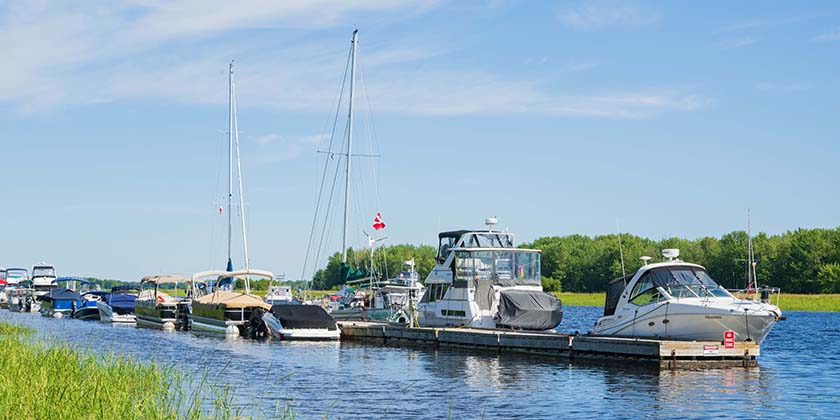
Along the Atlantic coast, harsh winds and freezing saltwater mean strict haul-out and tie-down rules for boats left in marinas.
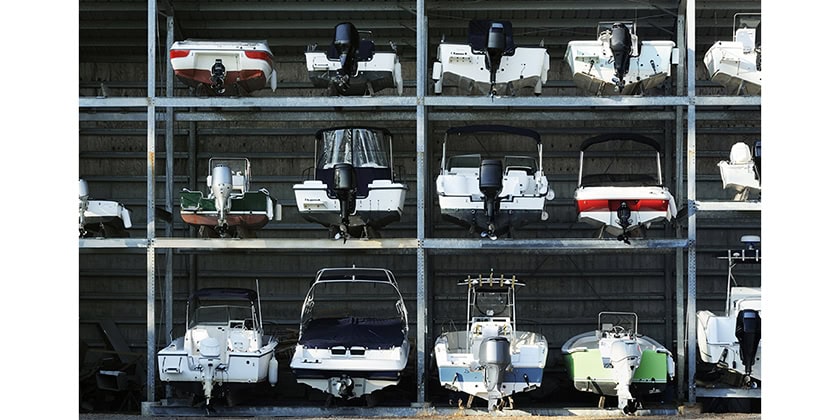
No matter where your boat is stored, it’s at risk from weather and unwanted critters. Indoor or outside storage, your insurance should reflect how and where your boat is kept. Outdoor storage may save money but exposes your boat to weather and wildlife, while indoor storage offers more protection usually at a higher cost. Be sure to check with your insurance broker to see what’s covered—especially for vermin damage—so you’re ready to hit the water without any extra visitors in the spring.
Why Insurance Matters All Year Round
Many boaters assume insurance is only necessary during the boating season but winter is when risks like theft and vandalism often spike — quiet marinas and storage yards are tempting targets for thieves seeking engines, electronics, and trailers.
The weather itself is a fierce adversary. Ice, snow, and freezing temps can cause serious damage from cracked hulls to burst hoses often costing thousands to repair.
Liability doesn’t take a break either. If someone slips near your boat or if your vessel causes damage while stored, you could be held responsible.
Canceling insurance to save money during the winter might seem smart, but it often leads to higher premiums later — not to mention the financial risk if something goes wrong.
Questions to Ask Your Broker
Before the frost really sets in, talk to your marine insurance broker about:
- What’s my policy’s lay-up period?
**Lay-up period: Refers to the time when a boat or vessel is taken out of the water and not in use—usually during the off-season or winter months**
- Am I covered if I use the boat during winter?
- Does insurance cover shrink wrap or storage-related damage?
- What are the theft and vandalism protections in winter?
- Do I need proof of winterization?
- Are trailers and storage locations covered?
- Does coverage differ between marinas and private property?
Knowing the answers keeps you ahead of surprises come spring.
Final Thought
If you haul your boat yourself, be sure to inspect your trailer—tires, lights, brakes, winch, and straps—to avoid any unexpected issues on the road.
Winter might be quieter on the water, but protecting your boat is a year-round responsibility. With the right storage, a thorough inspection routine, and continuous insurance coverage, you’ll be ready for smooth sailing when spring arrives.
Whether you’re boating off Vancouver Island, cruising Georgian Bay, or fishing the Atlantic coast, keeping your vessel—and your peace of mind—secure all year long is what matters most.
Ready to review your coverage? Reach out to your insurance brokers to ensure you’re protected through both cold and sunny seasons—at MD Marine, we make boat insurance easy with 24/7 access to your policy documents through our client portal, in-house claims specialists, and coast-to-coast business hours at 877-627-4633.
Further Resources: