

Paddle vs. Prop: SUP Safety Tips
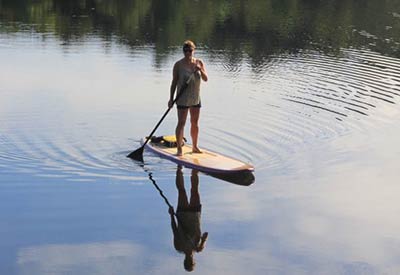
Three Safety Tips for Stand Up Paddlers When Boats are Around
When it comes to enjoying the outdoors, stand up paddleboarding (SUP) has led the nation in growth with a 38 percent increase in participation from 2013 to 2014, according to the Outdoor Foundation’s 2015 Outdoor Recreation Participation Topline Report. But as these human-powered watercraft become more common in crowded harbours, busy waterfronts and other navigable waterways, sharing the water with both recreational boats and commercial vessels requires paddlers to up their safety game. Here is a unique look at the issue with three easy to remember safety rules for stand up paddlers.
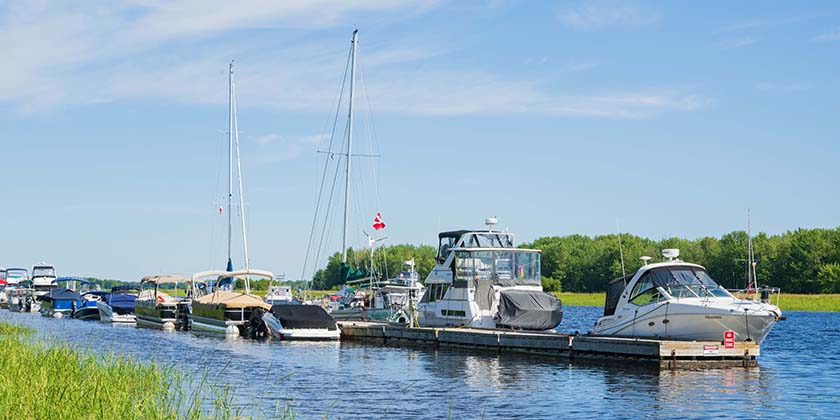
When is a paddleboard a boat? According to the US Coast Guard an SUP is considered a “vessel,” so it’s important to understand certain boating responsibilities. Follow all local navigation rules and use common sense when paddling around other vessels that may not be as maneuverable or are restricted by their draft or size. Generally, a paddleboard is more easily able to turn and stop whereas larger craft take time and distance to stop. Typically, it is safest to pass astern of other vessels and let them cross in front of you. Try to avoid heavy boat traffic and pick a route away from congestion.
Practice defensive paddling: Defensive paddling is preventing collisions and mishaps in spite of the actions of others around you. Remember boats may travel faster than you do and can carry a large wake. Some boats have awkward blind spots that prevent good visibility at certain trim angles so don’t assume a boater can always see you, especially at dawn or dusk. Wear bright colours and wear your life jacket with a whistle attached. Falling in, or swimming in heavily trafficked areas can lead to the start of a bad chain of events. In narrow channels stay as far right as possible and avoid crossing busy lanes. If you must, cross perpendicular to the lane so you get across quickly. If in a group, cross as a compact group – spreading out in a line like a bunch of baby ducks hinders traffic and increases the chance for a collision.
Don’t leave home without it: A life jacket is the minimum gear – but it only works if you wear it so don’t leave it strapped to the board. If you’re concerned about comfort, take a look at high-tech, low-maintenance belt-pack inflatables or the newest vest designs that offer complete freedom of movement. Add a whistle – it will always beat yelling at the top of your lungs. Avoid paddling at night, but if you must, you’ll have to show a white light in sufficient time to avoid a collision. A flashlight or headlamp meets this requirement; a glow stick does not. And finally, a safety leash is most helpful in preventing an awkward and potentially dangerous separation from your board.
If you’d like to learn more about boating safely, visit http://www.cps-ecp.ca/.
Originally published by www.BoatUS.org.