


Time for a Greener Choice in Boating Anodes
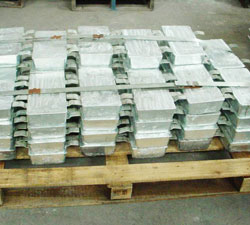
When it comes to making environmentally friendly choices, the tradeoff is not always paying more for something that doesn’t work as well. Boat owners seeking a “greener” sacrificial anode have an option that works better than the old, familiar zinc versions while costing less: aluminum anodes.
Aluminum is a far better environmental anode choice than zinc. Though zinc is a heavy metal—not particularly desirable to have in excess quantities in water—the bigger concern is with the percentage of cadmium that zinc anodes must contain in order to work as anodes.
Cadmium is a nasty heavy metal, with its use and disposal becoming increasingly restricted and regulated. In anodes, it’s of considerable concern to scientists studying estuarial pollution and its inevitable presence in aquatic life, especially once in the human food chain.
With the EPA in the U.S. and Environment Canada, the path is clearly open for regulating the acceptable amount of cadmium in marina water, which could lead to a ban on zinc anodes. Fortunately, boat owners already have a safe and cost-effective alternative in aluminum anodes.
While anodes may appear to be fairly inert pieces of metal, they are actually sophisticated pieces of anti-corrosion engineering. Their complexity lies in that they are truly alloys, made to an exacting specification in order to sacrifice effectively, but at a controlled rate. Aluminum anodes, for example, contain trace amounts of indium and other components to help them perform properly.
The U.S. Navy has done very extensive work on determining the alloys composition and, importantly, the production process to create effective sacrificial anodes. Consequently, the Navy’s MILSPEC for anodes has become “the global benchmark for shipyards and ship owners,” says John Mitchell, president of leading anode manufacturer Canada Metal (Pacific) Ltd.
The market contains many inexpensive anodes but most live up to the saying, “you get what you pay for.” An anode that does not perform properly leaves metal components at the mercy of galvanic corrosion. The nominal cost of a MILSPEC anode, backed by a manufacturer’s quality processes, is a small price to pay to protect expensive investments. And, using aluminum anodes that help preserve the environment gives owners peace of mind, too.
To learn more, visit: Canada Metal (Pacific) Ltd, www.canmet.com